
Iraq Reaffirms Full US-Led Coalition Withdrawal by September 30
news

Iraq Reaffirms Full US-Led Coalition Withdrawal by September 30

By Editorial TeamAug 31, 2026 · 6:11 AM3 min read
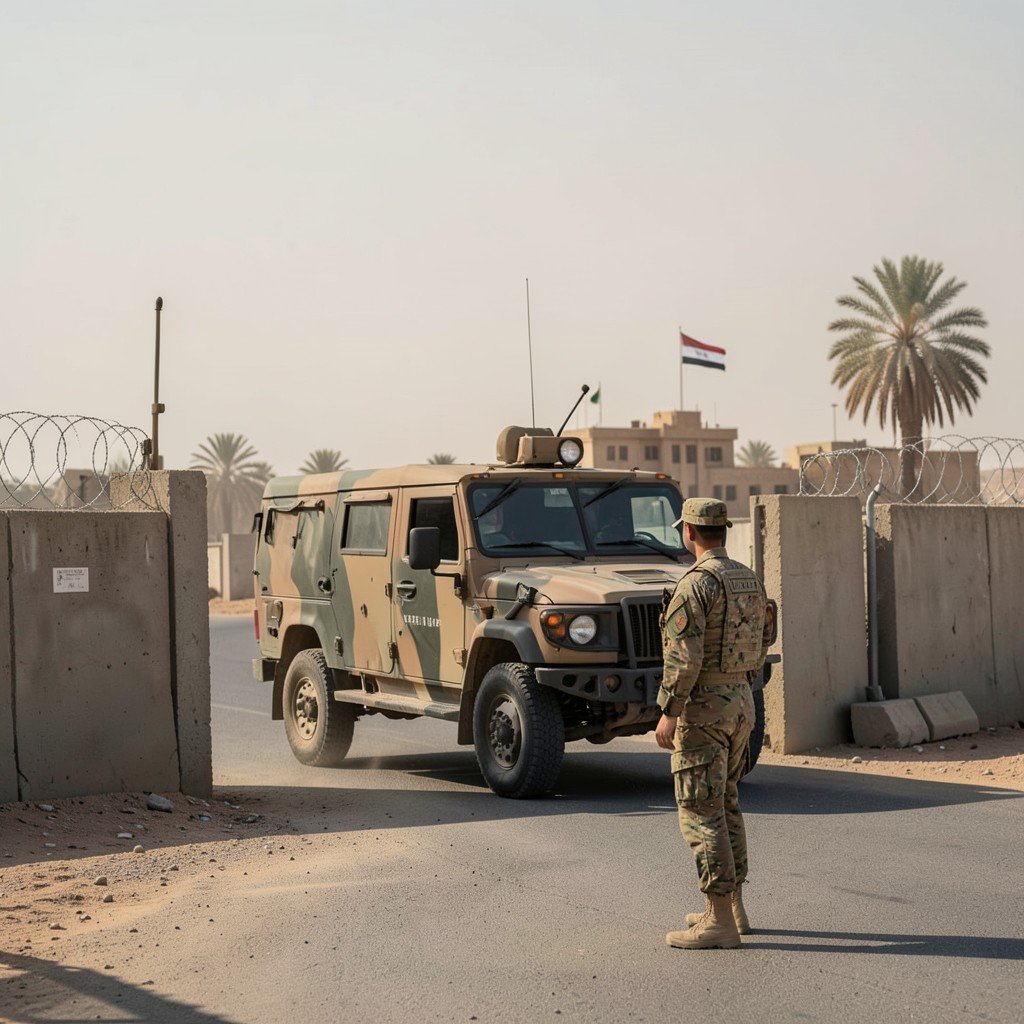
AI-generated representative image: A US military vehicle at a coalition base gate in Iraq, illustrating the planned withdrawal of US-led forces.
Editorial Team
Editorial Team
Baghdad rejects partial drawdown reports, insisting the September 30 deadline for all coalition forces is fixed and final

Iraq remains committed to a full withdrawal of US-led coalition forces by the end of September, according to a report published Saturday by the UK-based Saudi daily Asharq Al-Awsat, citing an Iraqi official. The remarks push back against recent media suggestions that Washington was planning only a partial drawdown rather than a complete pullout by the September 30 deadline.

The dispute over the scope of the withdrawal carries major implications for regional security, as US forces have maintained a presence in Iraq for 23 years since the 2003 invasion. The outcome will shape Washington's broader military footprint across the Gulf at a time when regional powers are already diversifying their security partnerships.

Baghdad Insists on Fixed and Final Deadline

The Iraqi official cited by Asharq Al-Awsat said reports that US and other foreign troops could remain after September "contradict what was agreed upon between the previous Iraqi government and the US administration." The comments directly challenge an anonymous US official quoted by Iraqi outlet Shafaq News, who described the move as "a transition of the Coalition's military mission to a more traditional bilateral security partnership."

Earlier this month, the office of Iraqi Prime Minister Ali al-Zaidi stated that the September 30 deadline would be "the fixed and final date" for the pullout of international coalition forces. The prime minister's office has framed the deadline as non-negotiable.

Two Decades of US Military Presence

US forces have operated in Iraq for 23 years, beginning with the 2003 invasion and continuing through smaller-scale operations against Islamic State (IS, formerly ISIS). The withdrawal plan was originally agreed in 2024 under the Biden administration and later reaffirmed by President Donald Trump, who has backed reducing the US military presence in Iraq.

During a meeting with al-Zaidi this summer, Trump said the two countries were developing a relationship "where we don't need the military" in Iraq. That position aligned with Baghdad's push to end the coalition mission while preserving bilateral security ties.

Regional Pressure Mounts on US Footprint

Washington's presence in the region has taken a significant hit during the Iran war, as Tehran damaged or destroyed key US radar, communications, and other military infrastructure at bases in Gulf nations. US military infrastructure also faced attacks by pro-Iranian armed groups in Iraq operating outside Baghdad's direct control.

The Pentagon is now considering whether to reduce the US military footprint in the Gulf after the Iran war ends, according to an August report by The Washington Post citing anonymous officials. US allies in the Gulf have reportedly expressed frustration over what they view as a lack of proper consultation before the US-Israeli attack on Iran, which left bases on their territories targeted.

What Lies Ahead

Iraqi officials maintain that the September 30 deadline remains binding, while Washington has signaled a possible shift toward a bilateral security arrangement. Regional powers have already begun diversifying their security partnerships, with Saudi Arabia, Türkiye, and Pakistan signing the Mecca Joint Defense Agreement earlier this month, a pact some commentators have dubbed an "Islamic NATO." Further confirmation on the final scope of the US withdrawal is awaited.

MORE LIKE THIS

Comments (0)

Leave a comment

A verified Gmail account is required to post comments.

No comments yet. Be the first to share your thoughts!