
US Precision Missiles Killed Civilians in Iran, Airwars Finds
news

US Precision Missiles Killed Civilians in Iran, Airwars Finds

By Editorial TeamSep 2, 2026 · 7:07 AM4 min read
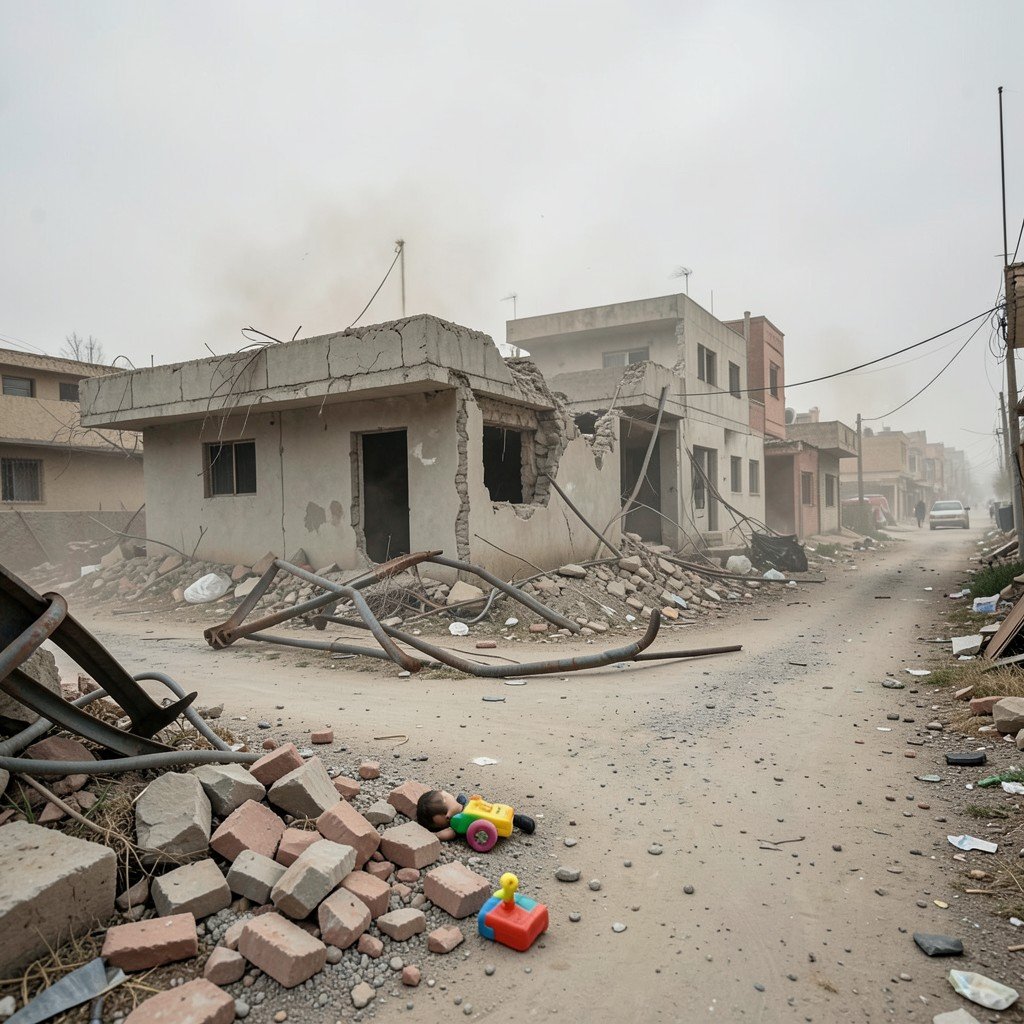
AI-generated representative image: Damaged residential buildings and debris in a southern Iranian neighborhood, illustrating a report on civilian casualties fro
Editorial Team
Editorial Team
Watchdog investigation links Lockheed Martin PrSM strikes to 21 civilian deaths in Lamerd, including seven children

American "precision" missiles with an unusually wide damage radius were responsible for killing at least 21 civilians, including seven children, in the southern Iranian city of Lamerd, according to an investigation by the London-based conflict monitoring group Airwars.

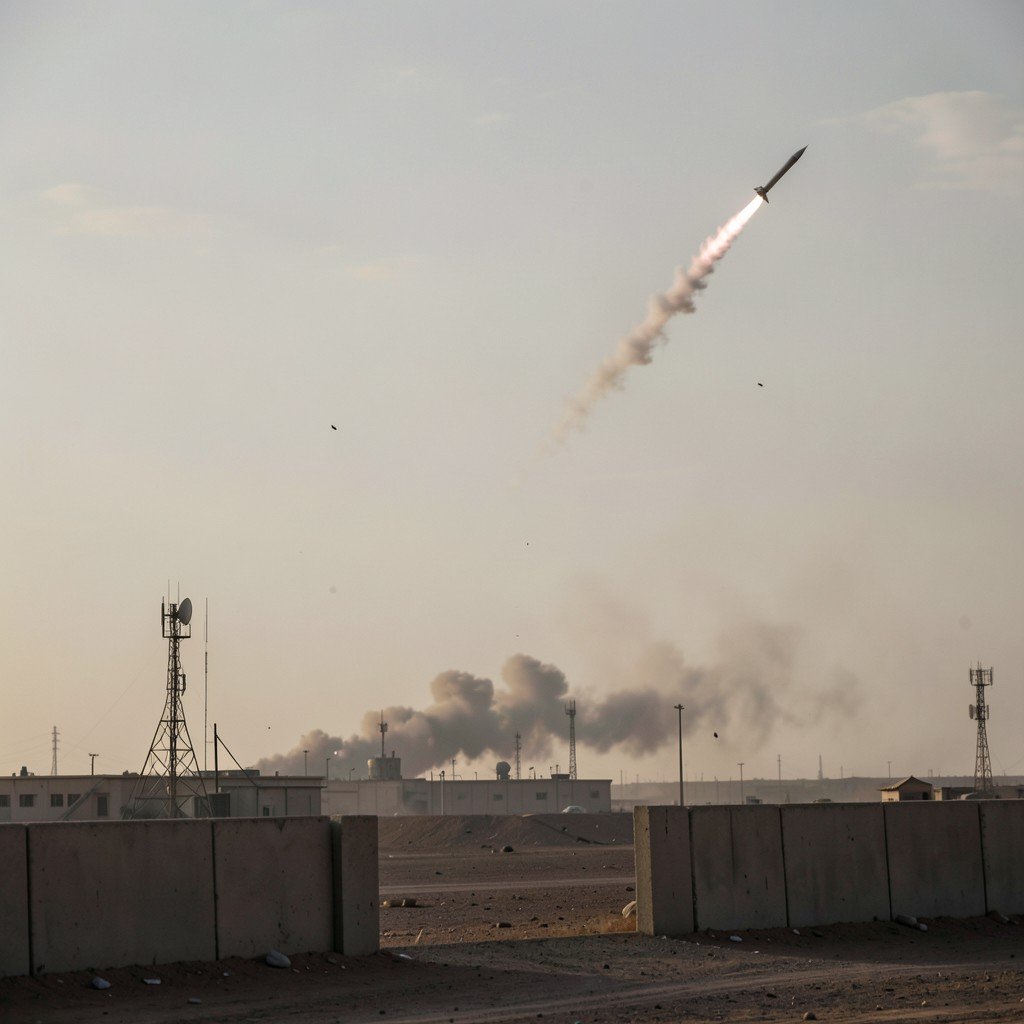
The watchdog examined three strikes on February 28 and concluded that the weapons used were likely Lockheed Martin's Precision Strike Missiles (PrSM), which made their combat debut during the opening phase of the US-Israeli war on Iran.

The findings carry significant weight because they provide the most detailed independent assessment to date of the munitions used in an attack that Tehran has repeatedly cited in its accusations of war crimes against Washington. The report also raises questions about the suitability of the PrSM, a weapon never before used in combat, for deployment in densely populated residential areas.

The investigation, published on Monday, was independently corroborated by the Associated Press, which consulted six weapons experts, including two former military officials, who reached the same conclusion.

Key Findings of the Investigation

Airwars determined that the three missiles exploded over two residential neighborhoods and a sports center in Lamerd. Civilians were killed at least 50 meters from the estimated detonation points, while damage extended as far as 150 meters.

  • At least 21 civilians were killed, including seven children.
  • A two-year-old girl was struck while playing outside her home about 50 meters from one blast.
  • A strike over a sports hall killed seven civilians, most of them children.
  • No military personnel were reported killed, and no evidence was found that military infrastructure had been hit.
  • A nearby Islamic Revolutionary Guard Corps compound appeared undamaged.

The PrSM is designed to explode above the ground, spraying tens of thousands of dense tungsten pellets in all directions rather than relying primarily on the blast itself, which explains the wide damage radius observed.

Background of the Conflict and the Weapon

The PrSM had only recently completed its prototype phase and had not finished operational testing before its combat debut in Iran. A US Army official later said a deployed unit exhausted its entire stock of the missiles early in the war, and Washington has since committed billions of dollars to expanding production.

US Central Command has acknowledged deploying PrSMs against Iran, describing their use as a "historic first," but has denied firing any weapons at Lamerd. It has instead suggested that an Iranian cruise missile was to blame, an assessment disputed by weapons experts cited by the AP and Airwars.

Tehran has repeatedly accused Washington of war crimes over strikes on civilian areas. The Lamerd attack came on the same day as the US bombing of an elementary school in Minab, which killed 175 people, most of them children. Since the US and Israel launched the war on Iran, up to 3,000 civilians have been killed.

Expert Assessment and Official Statements

Former US Army adviser Michael Meier told the Associated Press, "You would be hard-pressed to find a reason to use the PrSM in a densely populated area."

The AP's independent review of the evidence, combined with the assessments of six weapons experts including two former military officials, supported Airwars' conclusion that PrSMs were responsible for the Lamerd strikes.

The discrepancy between the wide impact area of the PrSM and its designation as a precision weapon lies in its design. While the missile can be guided accurately to a target point, its airburst mechanism disperses tungsten pellets over a broad radius, making it especially hazardous in populated areas.

Latest Developments and Escalation

The Airwars findings come as direct US-Iran hostilities resumed over the weekend after a month-long lull. Washington struck Iran's Larak Island on Sunday, prompting Tehran to launch missiles and drones at US military facilities in Jordan.

US President Donald Trump has since threatened another round of attacks, saying Washington would "hit Iran hard." Further independent confirmation of the munitions used in Lamerd and any additional investigations remain to be seen.

MORE LIKE THIS

Comments (0)

Leave a comment

A verified Gmail account is required to post comments.

No comments yet. Be the first to share your thoughts!