
Nepal Flood Death Toll Passes 1,000 as Rescuers Search Tunnels
news

Nepal Flood Death Toll Passes 1,000 as Rescuers Search Tunnels

By Editorial TeamSep 2, 2026 · 7:07 AM3 min read
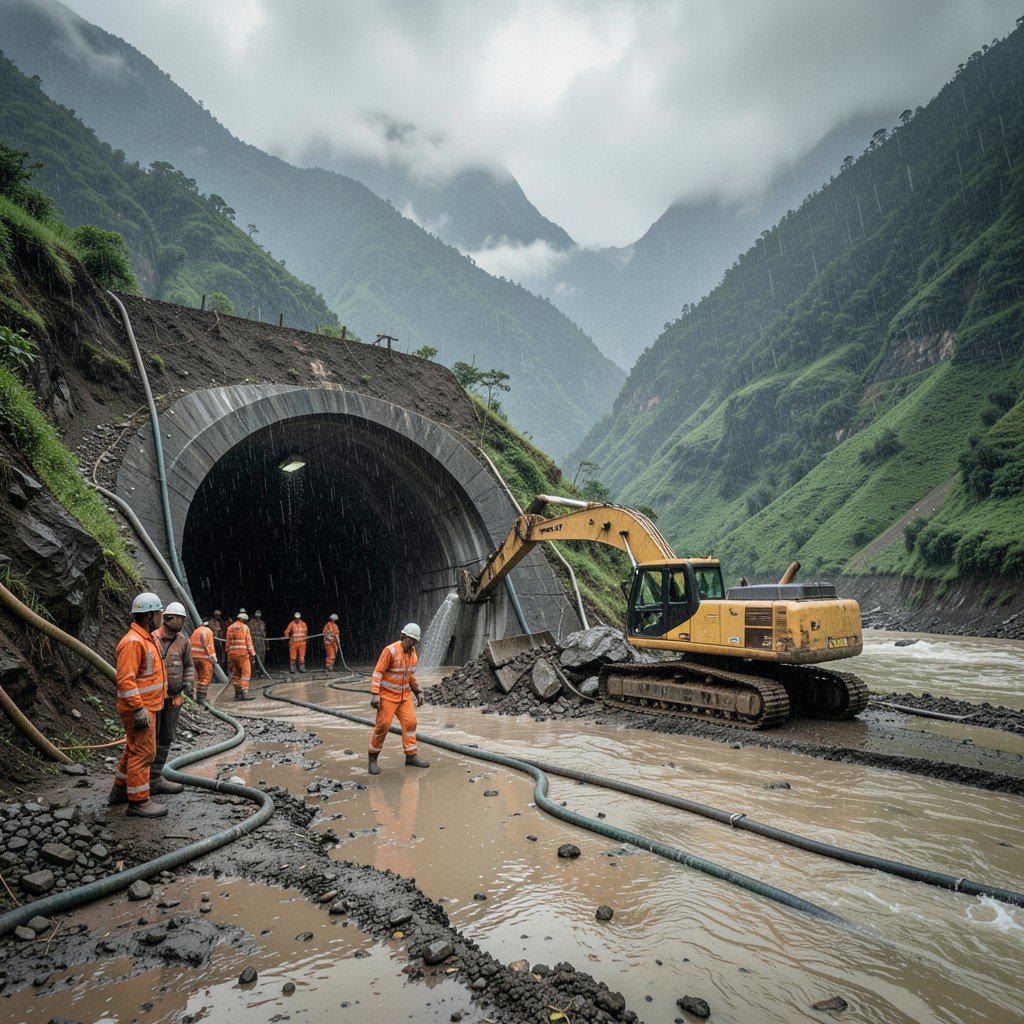
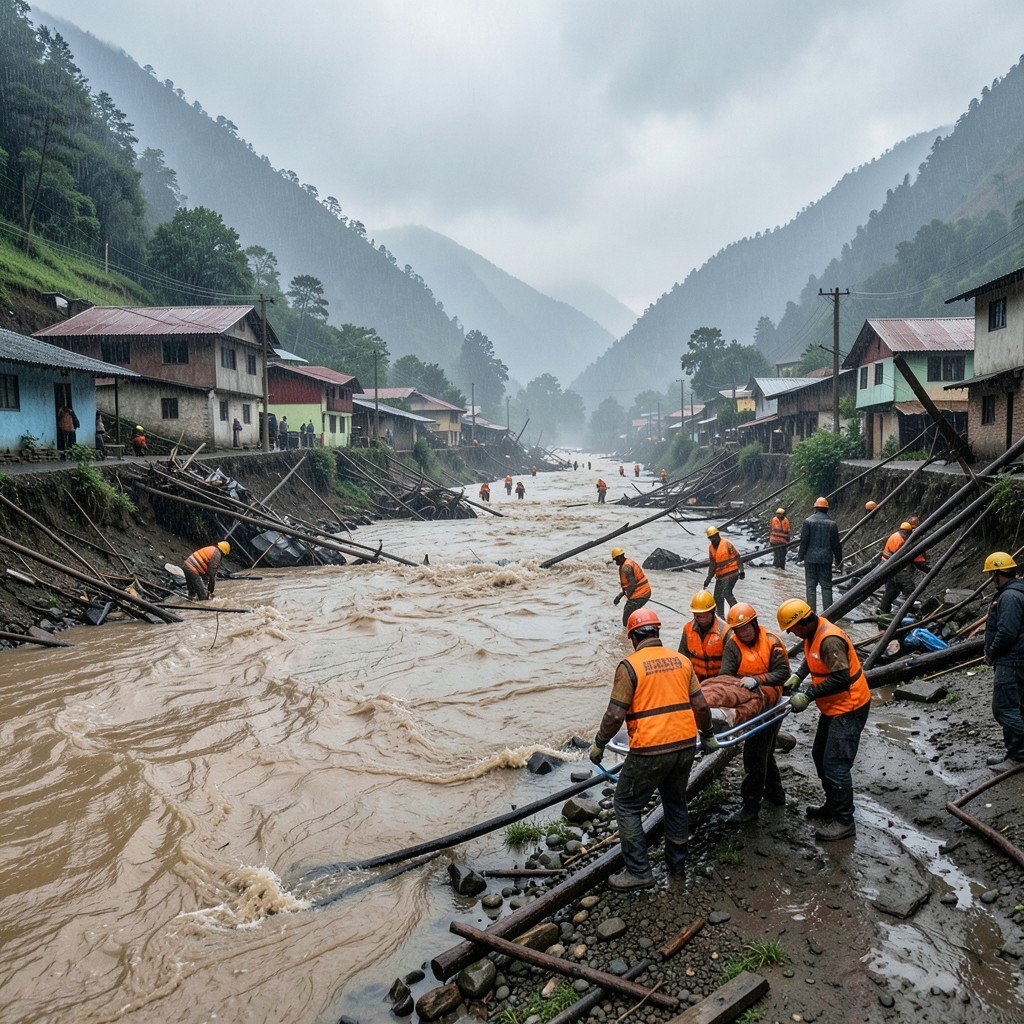
AI-generated representative image: Rescue workers and excavation equipment at a water-logged hydropower tunnel in northern Nepal after flash floods.
Editorial Team
Editorial Team
Hydropower tunnel rescue efforts continue a week after flash floods struck northern Nepal, with hundreds of workers still unaccounted for.

The death toll from flash floods in northern Nepal has risen to 1,003, with rescue teams still working to reach hundreds of workers believed trapped inside water-logged hydropower tunnels seven days after the disaster struck areas near the border with China.

Nearly 4,000 people remain unaccounted for, including about 590 foreign nationals from 39 countries, according to the country's Foreign Ministry, while around 11,800 people have been rescued so far.

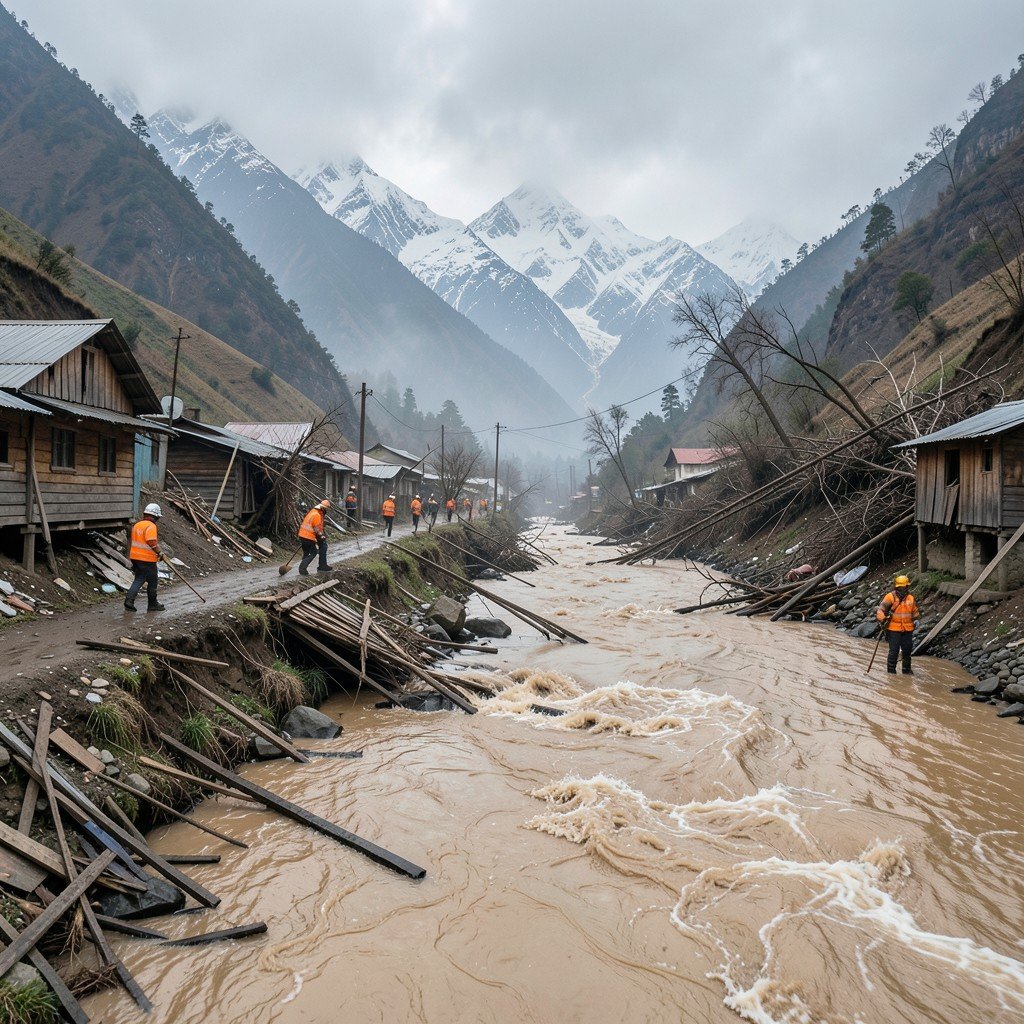
The disaster has devastated communities along the Trishuli river corridor, a region dense with hydroelectric projects, and has now become one of Nepal's deadliest flooding events in recent years. The scale of the missing, combined with the technical difficulty of reaching those trapped inside tunnel networks, has drawn international rescue support and placed enormous strain on the country's disaster response systems.

Rescue Operations Intensify

Nepal's National Disaster Risk Reduction and Management Authority (NDRRMA) confirmed the updated toll on Tuesday afternoon, while authorities continue efforts to deliver relief and supplies to survivors.

  • 639 people associated with hydropower projects are listed as missing, though officials have not been able to determine how many remain inside tunnels versus those who may have been swept away.
  • Rescue teams are focusing on 12 to 13 tunnels across multiple hydroelectric projects along the Trishuli river corridor.
  • International specialists have deployed to the affected sites, including 24 Indian and nine Chinese tunnel-rescue experts, along with a newly arrived South Korean team.
Background of the Disaster

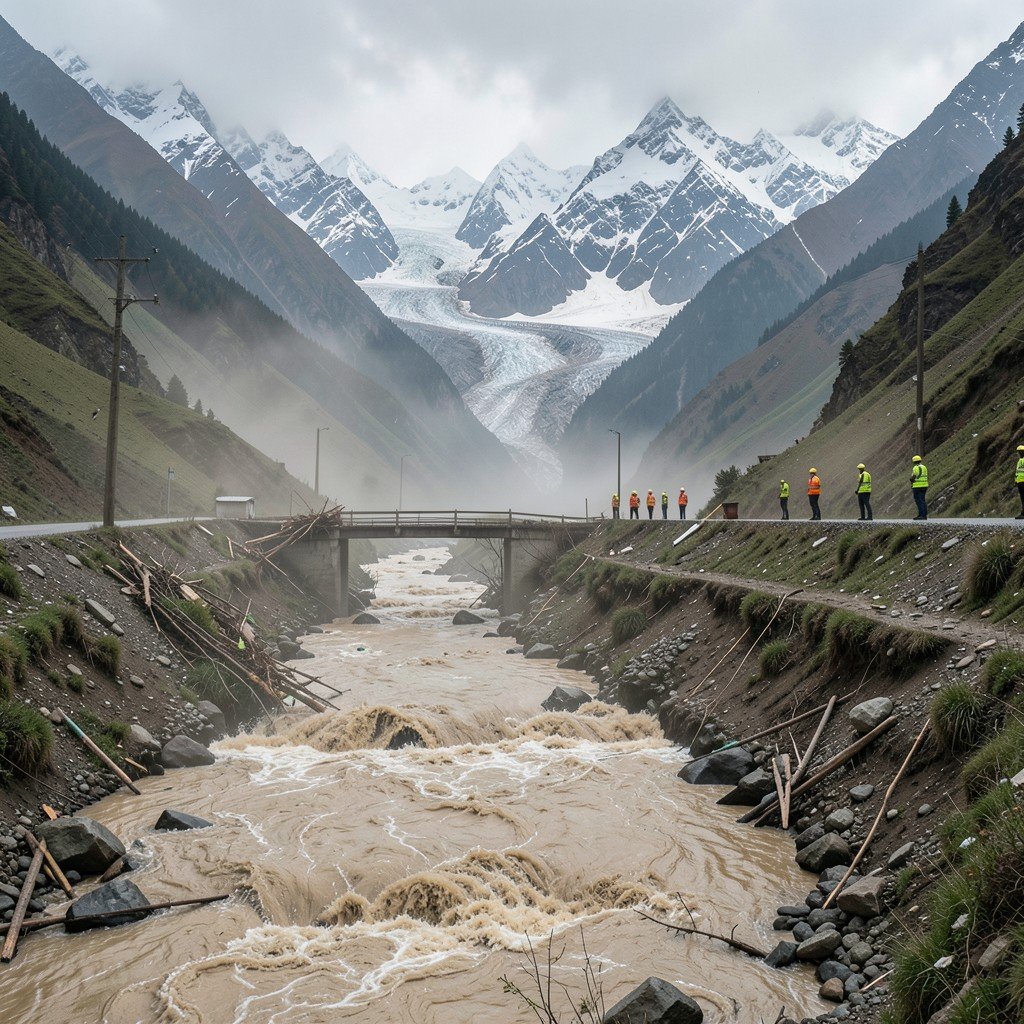
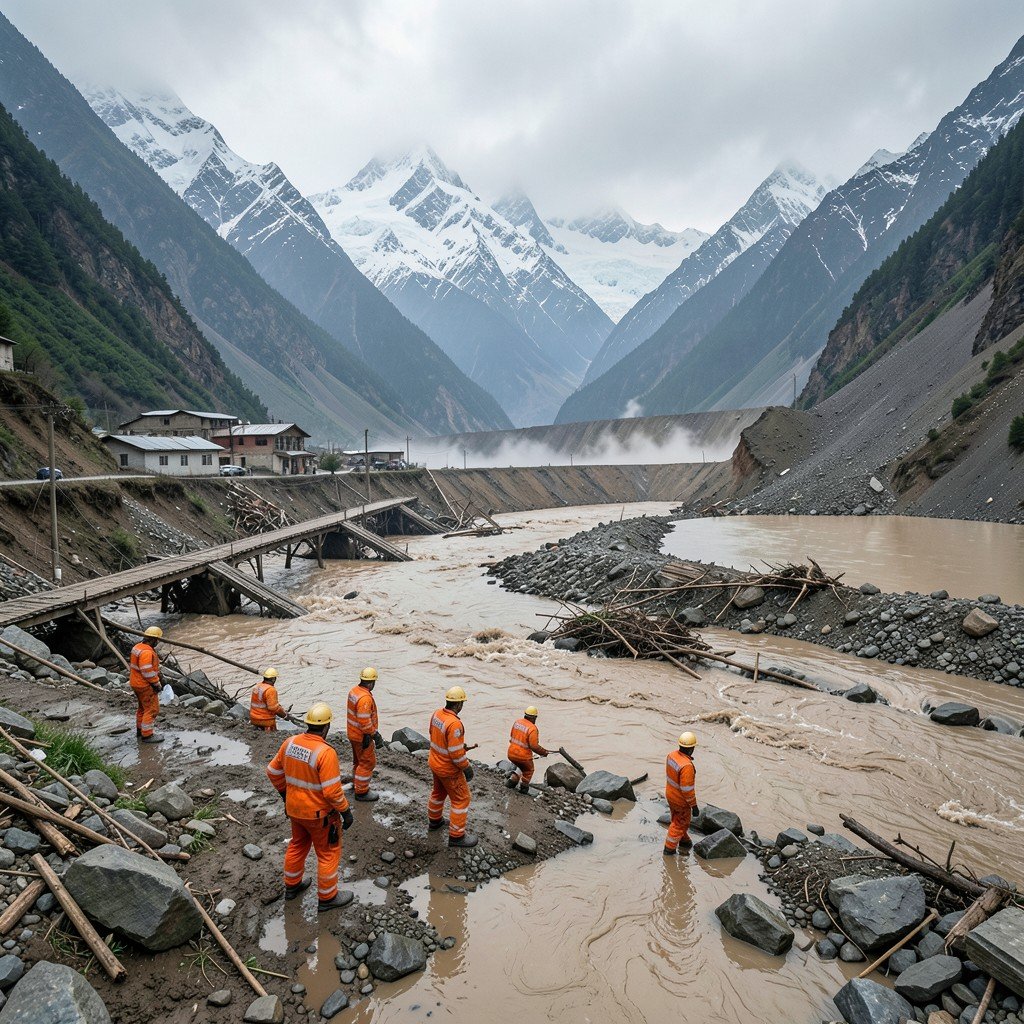
The flash flood struck seven days ago in Nepal's northern region near the border with China, triggering landslides and flooding that swept through the Trishuli river corridor. The area hosts numerous hydroelectric projects, whose extensive tunnel systems have become a focal point of search operations as water-logged passages complicate access.

Nepal's mountainous terrain and monsoon-season weather patterns make it highly vulnerable to flash floods and landslides. The country has experienced several major flooding disasters in recent years, and rescue operations in tunnel environments present unique challenges requiring specialized equipment and expertise, which is why foreign specialists have been brought in to support Nepali Army teams.

Progress Inside the Tunnels

At the Upper Trishuli-3A Hydropower Project, rescue teams located and drilled into the tunnel's head on Monday and are continuing to pump in air and drain water to enable entry. Excavators and rock breakers are clearing access routes to the 4 km-long tunnel, where between 30 and 40 people are believed to be in the underground powerhouse, according to the Kathmandu Post.

Since Monday, joint teams have advanced deeper into several tunnels. A team reached 200 meters into the 9.5 km-long Upper Trishuli-1 tunnel, while rescuers progressed about 50 meters into the Chilime tunnel and roughly 150 meters into the Langtang tunnel, both of which are about 3 km in length.

What Lies Ahead

Authorities have not yet established exactly how many of the hydropower project workers remain inside the tunnels, and search operations are ongoing as teams work to drain water and clear debris. Further updates on the number of those located and the final casualty and missing figures are awaited as rescue efforts continue.

MORE LIKE THIS

Comments (0)

Leave a comment

A verified Gmail account is required to post comments.

No comments yet. Be the first to share your thoughts!