
Kheibar Shekan Missile: Iran Deploys Castle Breaker in US Conflict
news

Kheibar Shekan Missile: Iran Deploys Castle Breaker in US Conflict

By Editorial TeamSep 2, 2026 · 2:55 PM4 min read
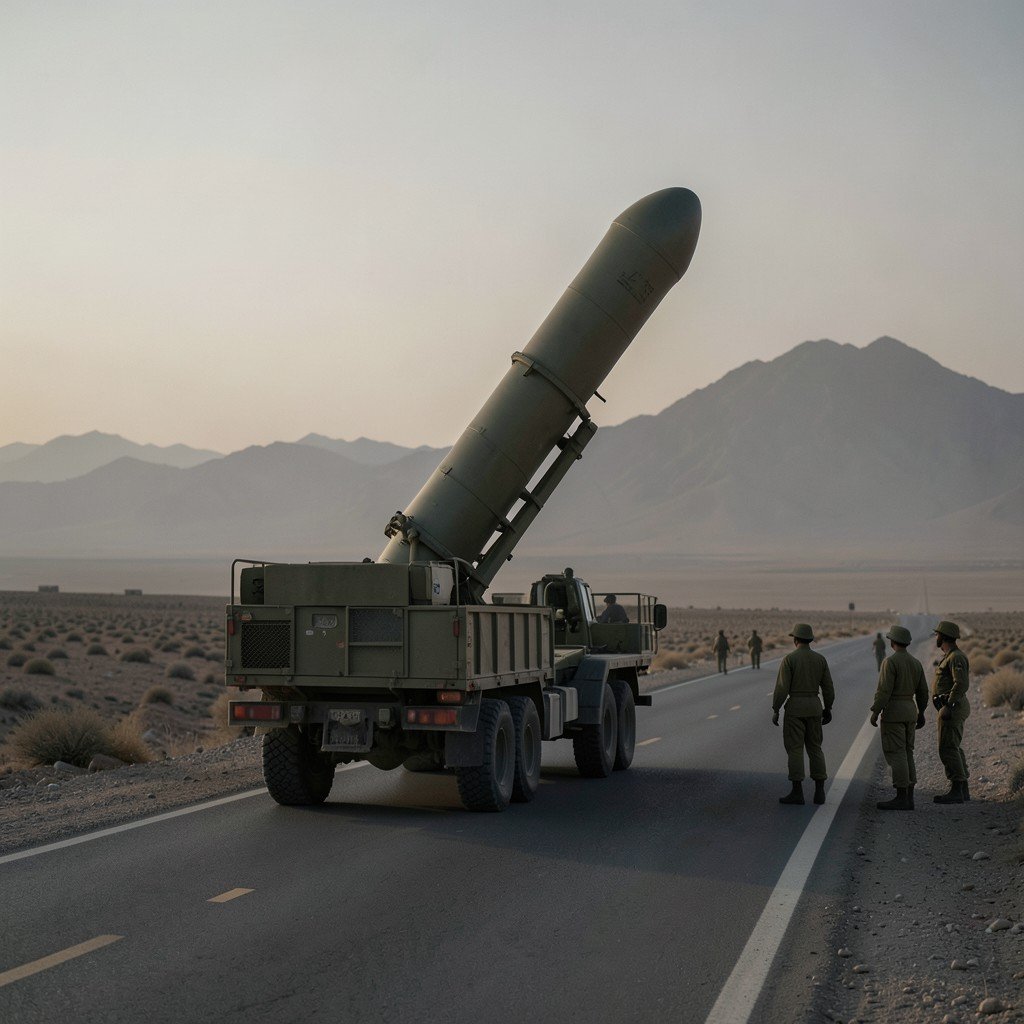
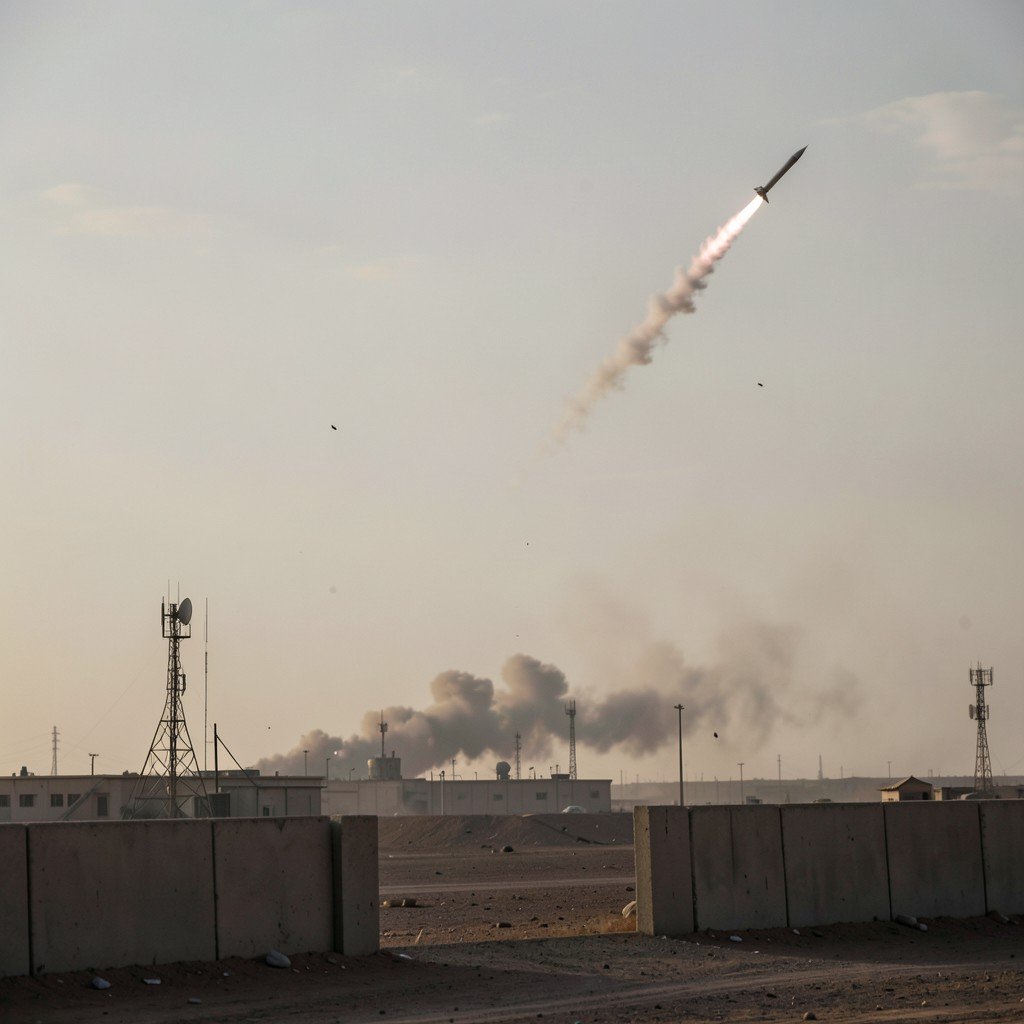
AI-generated representative image: A mobile ballistic missile launcher deployed in a desert region, illustrating Iran's Kheibar Shekan medium-range missile syst
Editorial Team
Editorial Team
Iran's solid-fuel medium-range ballistic missile strikes US assets across the Middle East as fighting resumes after a month-long lull

Iran's Kheibar Shekan missile, known as Castle Breaker in Persian, has emerged as a central weapon in the renewed escalation between Tehran and Washington, with Iranian forces deploying the medium-range ballistic missile against US military targets across the Middle East this week.

The missile's use follows a month-long lull that ended when US forces struck rocket launchers on Iran's Larak Island in the Strait of Hormuz on Monday, prompting Tehran to retaliate against US assets in Jordan and other regional bases.

The renewed fighting marks a significant escalation in a conflict that began on February 28 with US-Israeli strikes on Tehran and other Iranian sites. Iran's continued deployment of the Kheibar Shekan signals that its missile arsenal remains operational and well-stocked despite six months of intermittent attacks.

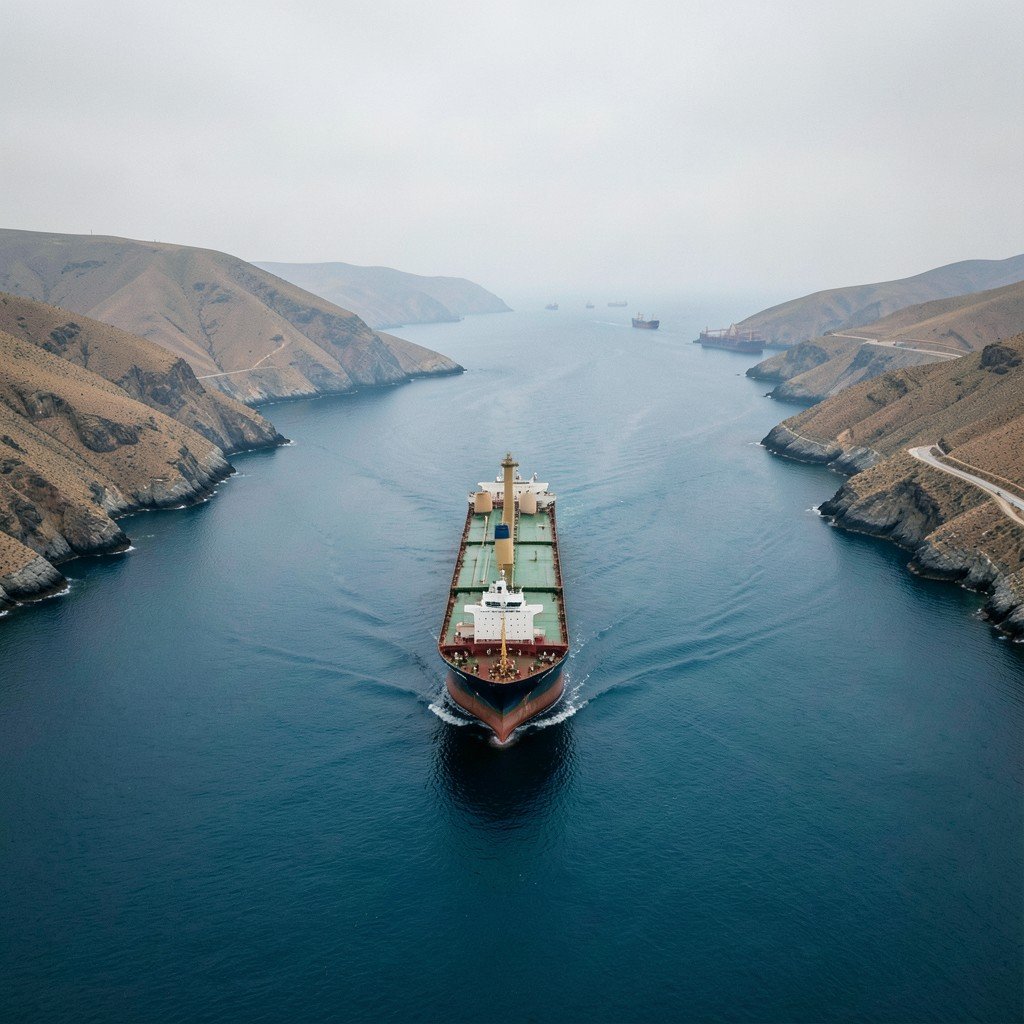
The escalation has also drawn the strategically vital Strait of Hormuz back into focus, raising concerns about global energy supplies at a time when markets are already volatile.

Recent Escalation and Strikes

The United States resumed attacks on Iranian targets on August 31, with US Central Command confirming strikes on Islamic Revolutionary Guard Corps (IRGC) sites in southern Iran. On Tuesday, the US military announced it had completed another wave of strikes against Iranian military targets.

Iran responded with missiles and drones against US forces and military assets in the region. Tehran reported that US strikes also hit civilian targets, including a house bombed during a wedding celebration in the city of Kuhestak, killing at least five people and injuring 68, including women and children.

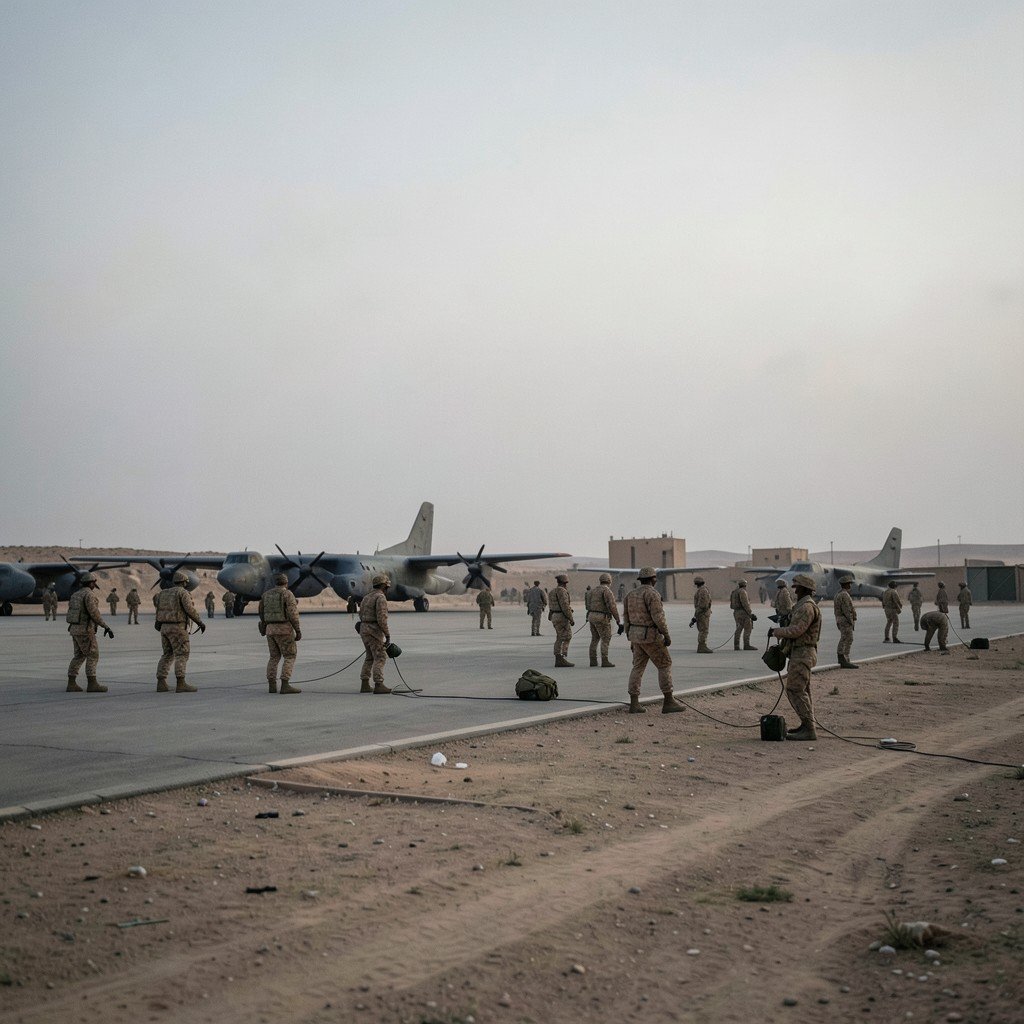
  • Iran's military said it launched attacks on US bases and assets in Jordan, Bahrain, Kuwait and Iraq's Erbil.
  • Oil prices rose sharply this week as markets reacted to renewed fighting and the risk to energy shipments through the Strait of Hormuz.
  • US President Donald Trump previously threatened more attacks if Iran retaliated, while Tehran said it would also respond to US attacks.
Origins of the Conflict

The war entered its current phase following a period of relative calm, with the six-month conflict beginning on February 28 when US and Israeli forces struck Tehran and other sites around Iran. The Kheibar Shekan missile was unveiled in 2022 and takes its name from Khaybar, the word for a fortified settlement associated with early Islamic history, with Shekan meaning breaker or destroyer.

Iran has repeatedly stated it has been using Kheibar Shekan missiles against US military positions in the region since the conflict began. State broadcaster IRIB reported that Iranian forces deployed the missile in retaliatory attacks on US assets in Jordan this week. On July 20, the IRGC released footage showing Kheibar Shekan alongside Fateh-110, Zolfaghar and Emad ballistic missiles being used in attacks on US military targets. Four days earlier, the IRGC said it had targeted a US jet maintenance facility and a new command-and-control centre in Jordan's Azraq with Kheibar Shekan missiles.

Missile Capabilities and Iran's Arsenal

The Kheibar Shekan is one of Iran's newer medium-range missile systems, developed by the IRGC, with a range of roughly 1,450km (901 miles) and a payload capacity of 449kg to 590kg (990 to 1,300 pounds). Its solid-fuel propulsion allows it to be launched within minutes during a crisis, as the fuel is preloaded and does not require the hours-long fueling process needed for liquid-fuel systems. Solid fuel can also be stored for long periods without degrading.

In comparison, the US has introduced Precision Strike Missiles (PrSM) during the conflict, described by Lockheed Martin as long-range precision-strike missiles hitting targets from 60km (37 miles) to more than 499km (310 miles) away. The US has also used Tomahawk cruise missiles, which can hit targets up to 2,500km (1,550 miles) away.

Iran's wider arsenal includes short-range ballistic missiles with ranges of roughly 150km to 800km, including Fateh variants such as Zolfaghar, Qiam-1 and older Shahab-1/2 systems. Medium-range systems with ranges of roughly 1,500km to 2,000km include Shahab-3, Emad, Ghadr-1, Khorramshahr variants, Sejjil, Kheibar Shekan and Haj Qassem. Iran also fields cruise missiles including Soumar, Ya-Ali, Quds variants, Hoveyzeh, Paveh and Ra'ad, with the Soumar having a range of 2,500km (1,553 miles). Former Supreme Leader Ayatollah Ali Khamenei had previously limited missile ranges to 2,200km (1,367 miles) but removed that limit following Israel's 12-day war on Iran in June 2025.

What Lies Ahead

The renewed fighting has put the Strait of Hormuz back at the centre of the crisis as Iranian and US forces vie for control of the critical waterway, through which 25 percent of the world's oil and petroleum products are shipped in peacetime.

Both sides have signaled continued military action, with Washington threatening further attacks if Iran retaliates and Tehran vowing to respond to US strikes. The situation remains fluid, and additional confirmation of strikes and casualties is awaited as the conflict continues to unfold.

MORE LIKE THIS

Comments (0)

Leave a comment

A verified Gmail account is required to post comments.

No comments yet. Be the first to share your thoughts!