
Trump Announces New Trade Tariffs on 14 Trading Partners
business

Trump Announces New Trade Tariffs on 14 Trading Partners

By Editorial Team•Nov 25, 2026 · 8:17 PM•4 min read
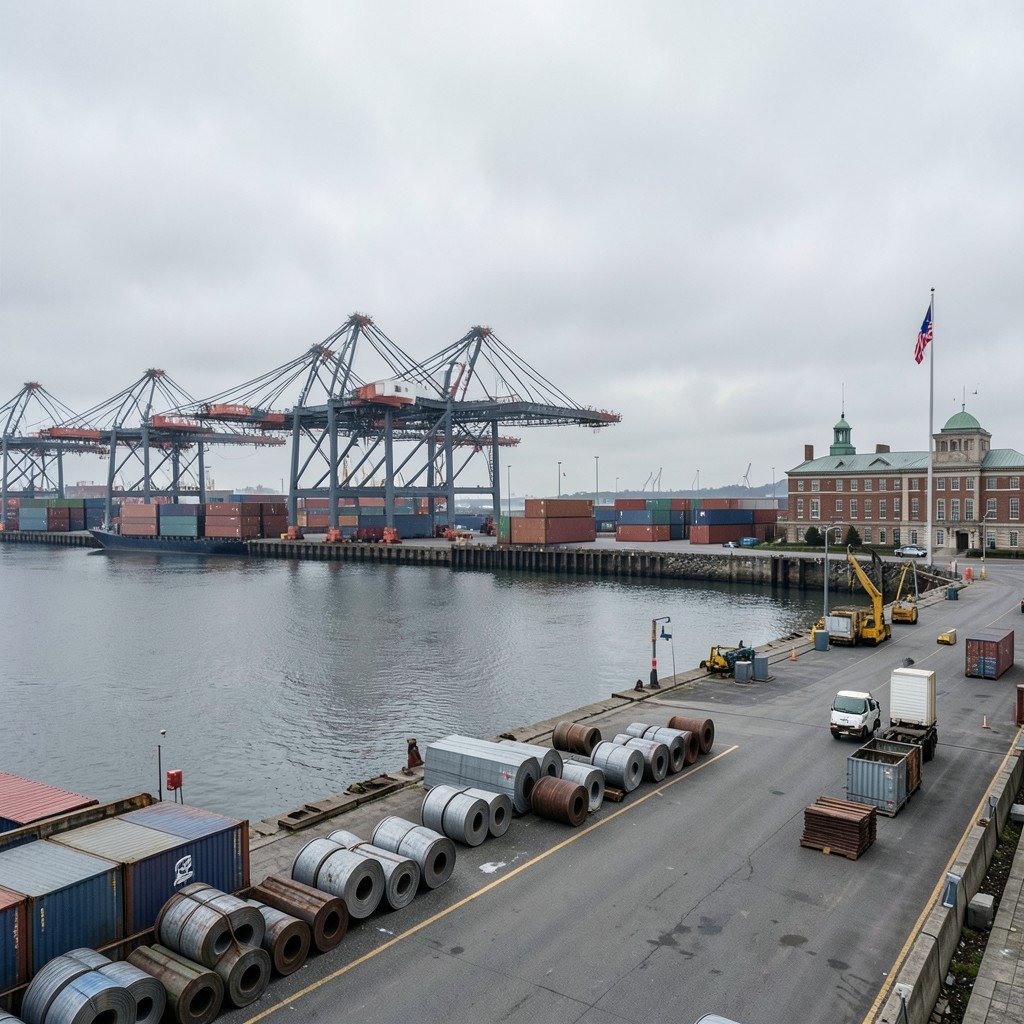
AI-generated representative image. A container port with cranes loading cargo ships, illustrating the proposed new US trade tariffs on 14 trading partners.
Editorial Team
Editorial Team
China faces the highest Section 301 duties as the USTR targets structural excess capacity

The Trump administration has announced plans to impose new trade tariffs on 14 of its major trading partners, including China, the European Union and India, accusing them of flooding world markets with cheap goods. The Office of the US Trade Representative (USTR) announced the duties on Wednesday following an eight-month investigation into what Washington calls "structural excess capacity."

China faces the highest proposed charges, with a 20 percent excess capacity tariff that would come on top of roughly 25 percent in tariffs set during Trump's first term.

The move marks the latest attempt by the administration to rebuild sweeping import taxes struck down by the US Supreme Court in February. It arrives just weeks after midterm elections in which the cost of living and trade tariffs were major issues, and weeks before a US-China trade truce expires in January.

The tariffs would raise costs for American companies and households that depend on imports, while potentially straining relations with allies and complicating ongoing trade negotiations with India.

Countries Targeted and Proposed Rates

The investigation covered 16 economies, with tariffs proposed for 14 of them: China, Bangladesh, Cambodia, the European Union, India, Indonesia, Japan, South Korea, Malaysia, Singapore, Switzerland, Taiwan, Thailand and Vietnam. Mexico and Norway, which were also investigated, have been spared for now.

China will face the highest charges at a proposed 20 percent, keeping it above Vietnam, which also faces a proposed rate of 20 percent. A senior US official said the new duties would not break the tariff limits in negotiated trade deals, which include caps of 15 percent for the EU, Japan and South Korea, and 19 percent for Malaysia.

The official said the new excess capacity duties would not be added on top of the existing forced labour tariffs.
Background of the Tariff Fight

The latest tariffs are being imposed under Section 301, part of a 1974 US trade law that allows Washington to penalise countries it determines are treating US businesses unfairly. Trump used the same provision to place large tariffs on Chinese goods during his first term, and those tariffs survived court challenges.

The new duties represent an effort to restore the "Liberation Day" tariffs announced in April 2025 shortly after Trump began his second term. Those were imposed under an emergency powers law, but the Supreme Court ruled in February that the law did not permit trade tariffs. The administration then used another law to set temporary 10 percent tariffs that expired in July, followed by tariffs of 10 to 12.5 percent on 60 economies under Section 301.

Trade policy expert Dmitry Grozoubinski said Section 301 was designed to allow a president to hit back quickly at one country over one industry, not to tax almost every import. "The legislation is supposed to be a scalpel, and they used it like a flamethrower," he said.

Investigation Findings and Legal Outlook

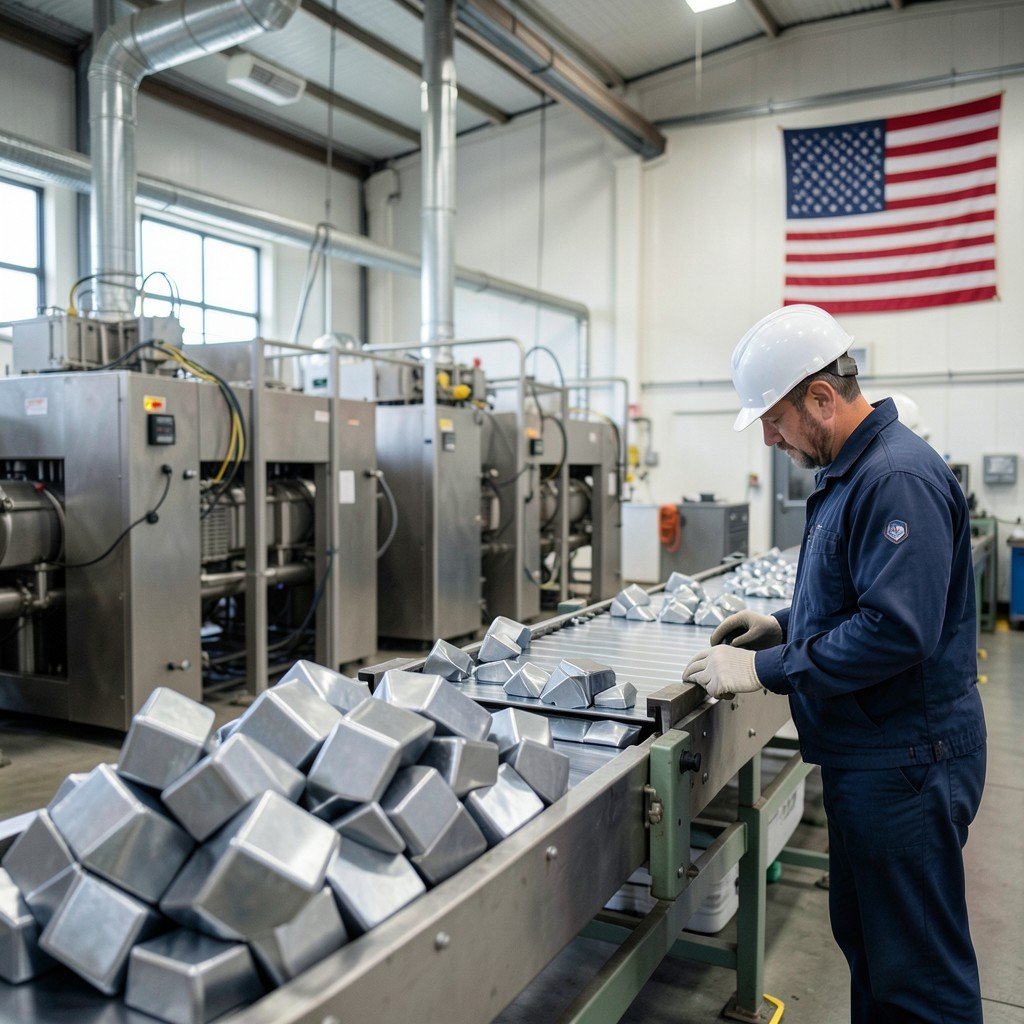
The investigation into structural excess capacity began in March and covered industries from steel and cars to computer chips and solar panels. It examined government subsidies, wages suppressed by the state and the operations of state-owned companies. Washington argues this support enables foreign factories to sell goods more cheaply, undercutting American manufacturers.

Grozoubinski said the new tariffs will certainly be challenged in court but are likely to stay in place while cases proceed, as lower court rulings are usually appealed and put on hold. He added that these latest tariffs stand a better chance of surviving than earlier ones because foreign subsidies are a more believable complaint than forced labour. "Of the tariffs he has imposed so far, these are probably the most legally robust," he said.

What Comes Next

The proposed rates for most countries have not yet been published, with details expected in the Federal Register. The announcement comes weeks before the US-China trade truce agreed between President Donald Trump and China's President Xi Jinping expires on January 10, while trade talks with India remain unfinished.

At home, the move sets up a clash with Democrats, who take control of both chambers of Congress in January, though their power is limited because Trump can veto legislation. The tariffs are also likely to face legal challenges from US importers already contesting the forced labour duties at the US Court of International Trade.

MORE LIKE THIS

Comments (0)

Leave a comment

A verified Gmail account is required to post comments.

No comments yet. Be the first to share your thoughts!