
Iran Vows to Break US Blockade as Land Border Enforcement Expands
news

Iran Vows to Break US Blockade as Land Border Enforcement Expands

By Editorial Team•Nov 25, 2026 · 8:17 PM•3 min read
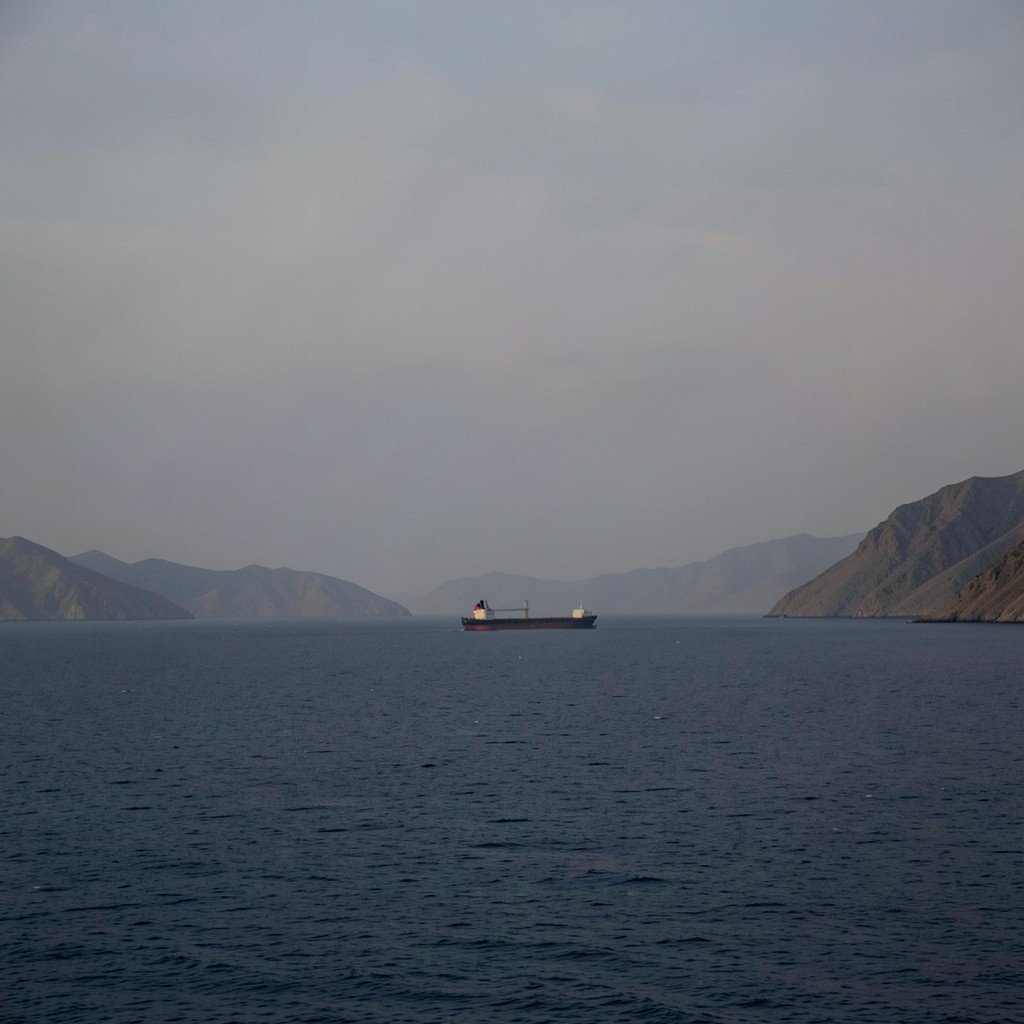
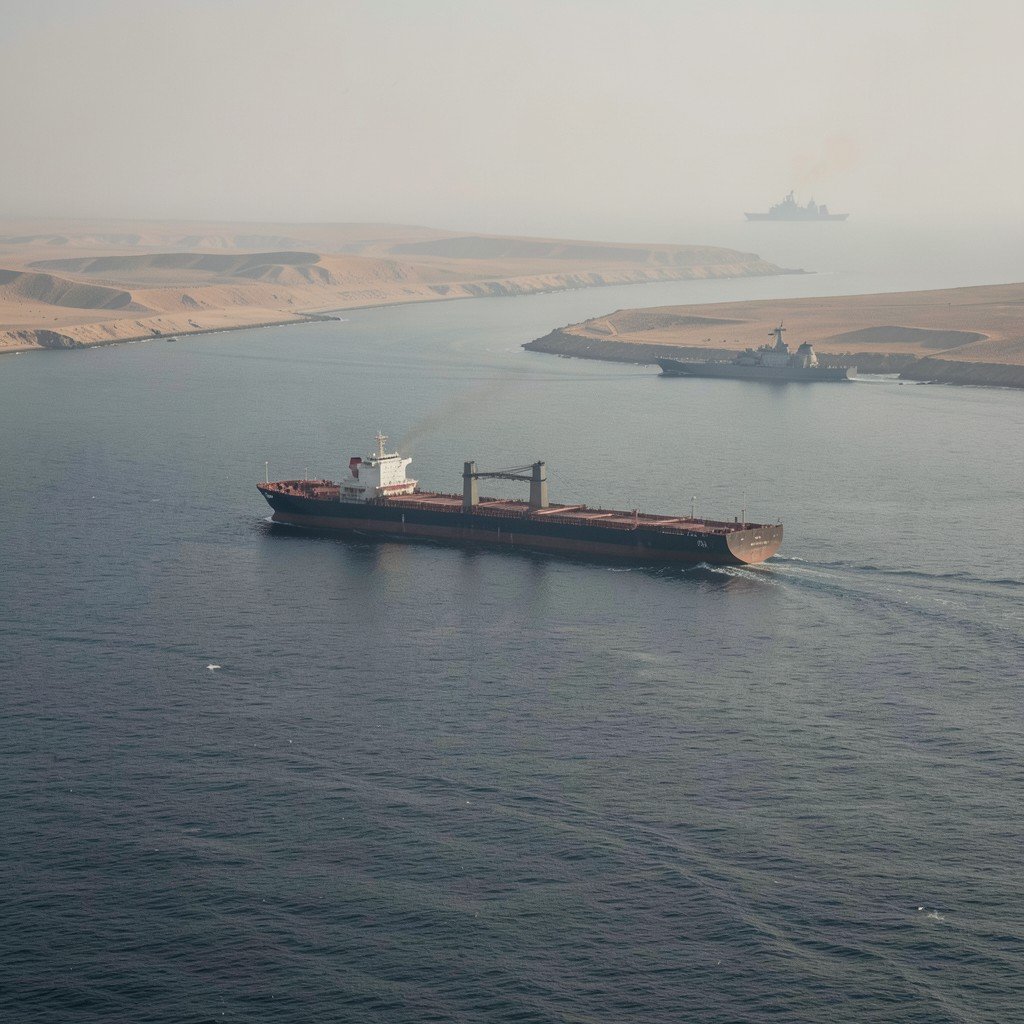
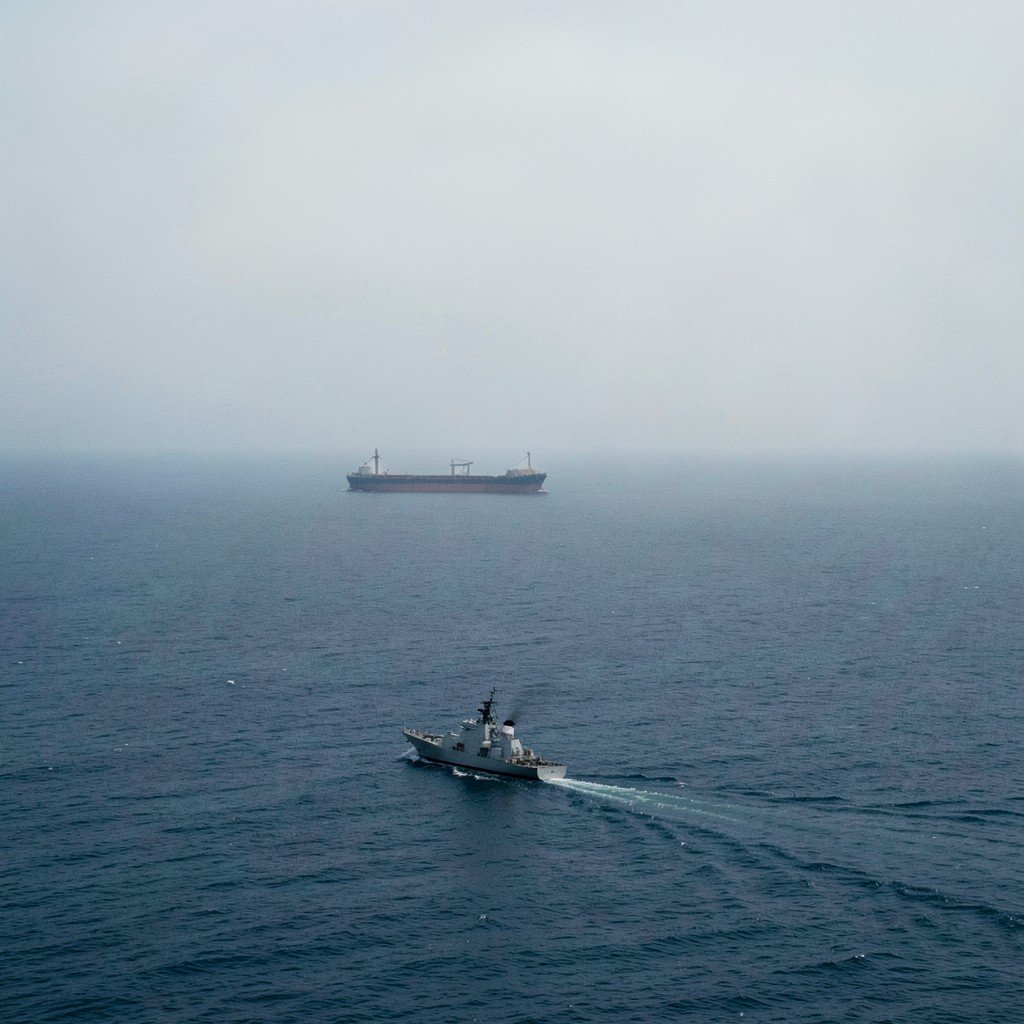
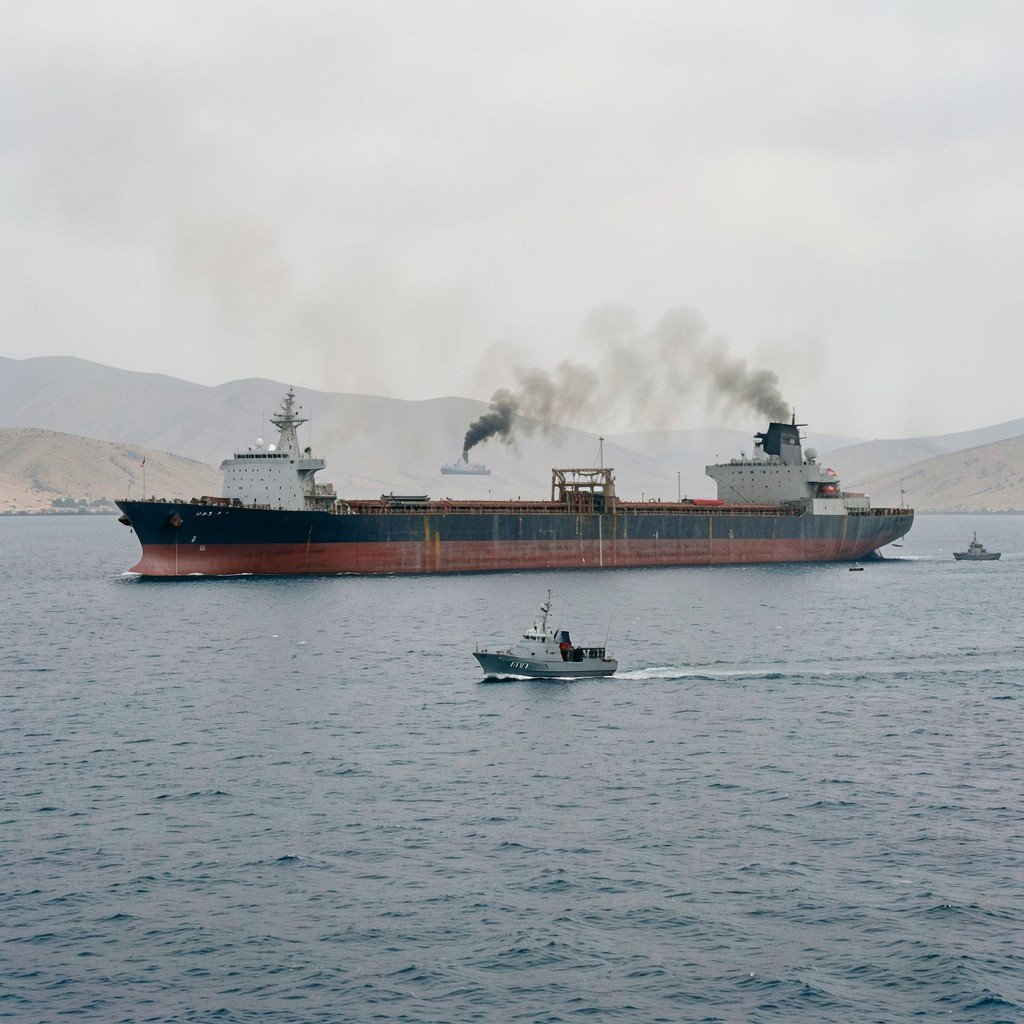
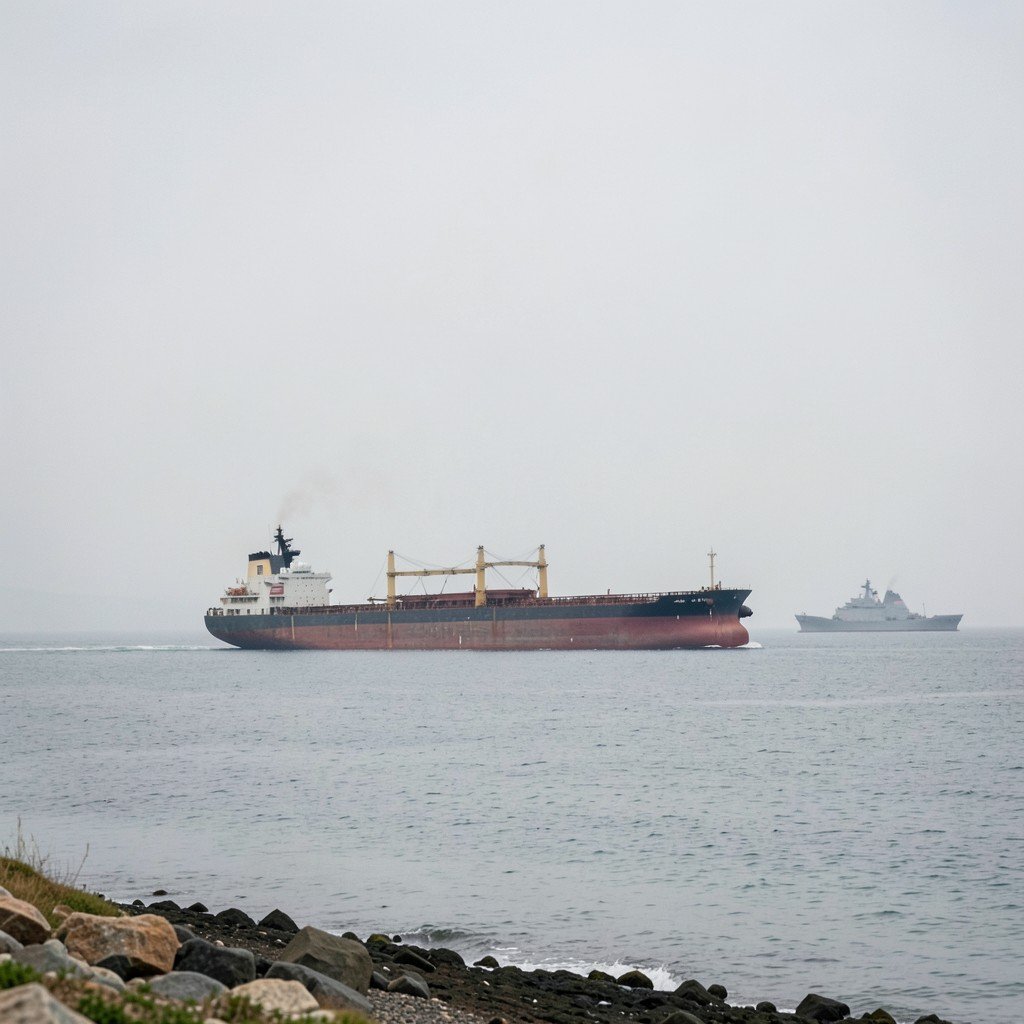
AI-generated representative image: A US Navy warship patrols near a commercial oil tanker in the Strait of Hormuz amid an ongoing naval blockade.
Editorial Team
Editorial Team
Rezaei dismisses Task Force Iron Gate amid growing Strait of Hormuz naval standoff

Iran's top security official Mohsen Rezaei has vowed that the country will break the US-imposed blockade, calling Washington's latest enforcement plans "delusional and futile." His remarks on Tuesday came after US Central Command (CENTCOM) launched Task Force Iron Gate to disrupt the flow of weapons, dual-use technologies, sanctioned materials and what it described as illegal revenue streams across Iran's land borders and its northern Caspian Sea ports.

The escalating measures mark a significant expansion of the standoff that began earlier this year, when the US Navy started blockading Iranian ports after Tehran closed the Strait of Hormuz. The waterway is a vital artery for global oil and liquefied natural gas shipments, meaning any prolonged disruption carries serious implications for international energy markets and maritime trade.

Iran Rejects Expanded Blockade

Rezaei wrote on X on Tuesday that "Trump and his defeated team's plans to blockade Iran are as delusional and futile as their failed war strategy." He added that the Iranian nation, armed forces and the entire state apparatus remain determined to break the blockade and respond with full force to any new aggression.

Iranian Foreign Minister Abbas Araghchi said on Monday that a land blockade would be almost impossible, citing the country's vast territory and extensive ties with its neighbors. The comments came after US President Donald Trump vowed to maintain the existing naval blockade of Iran's southern ports until Tehran accepts his terms for peace.
Origins of the Naval Standoff

The US Navy began blockading Iranian ports in April after Tehran closed the Strait of Hormuz in response to the US-Israeli bombing campaign launched in late February. The blockade was briefly lifted in June before being reinstated in July.

Iran has since targeted vessels attempting to sail through the strait along US-designated routes, which Tehran considers illegal. Iranian authorities insist that all vessels must coordinate their passage with the Persian Gulf Strait Authority, a regulatory body established in April.

Escalating Incidents and Enforcement Data

At least ten oil tankers have reportedly been struck in the Strait of Hormuz over the past ten days, several by unidentified projectiles. The Islamic Revolutionary Guard Corps (IRGC) reported on Tuesday that an unnamed tanker had exploded after hitting a naval mine.

Iranian authorities recently blacklisted 26 tugboats accused of helping ships circumvent Iran's transit restrictions. Meanwhile, according to CENTCOM, the US Navy redirected nearly 150 commercial vessels and disabled five merchant ships between mid-July and mid-November while enforcing the blockade.

What Lies Ahead

The situation remains tense, with Iran signaling it will not comply with US transit designations and Washington continuing to expand its enforcement operations. No timeline has been announced for resolving the standoff, and further incidents in the Strait of Hormuz remain a possibility as both sides maintain their positions.

MORE LIKE THIS

Comments (0)

Leave a comment

A verified Gmail account is required to post comments.

No comments yet. Be the first to share your thoughts!