Trump Netanyahu Clash in Tense Call Over Renewed Iran Strikes
news

Trump Netanyahu Clash in Tense Call Over Renewed Iran Strikes

By Editorial Team•Nov 11, 2026 · 11:20 AM•3 min read
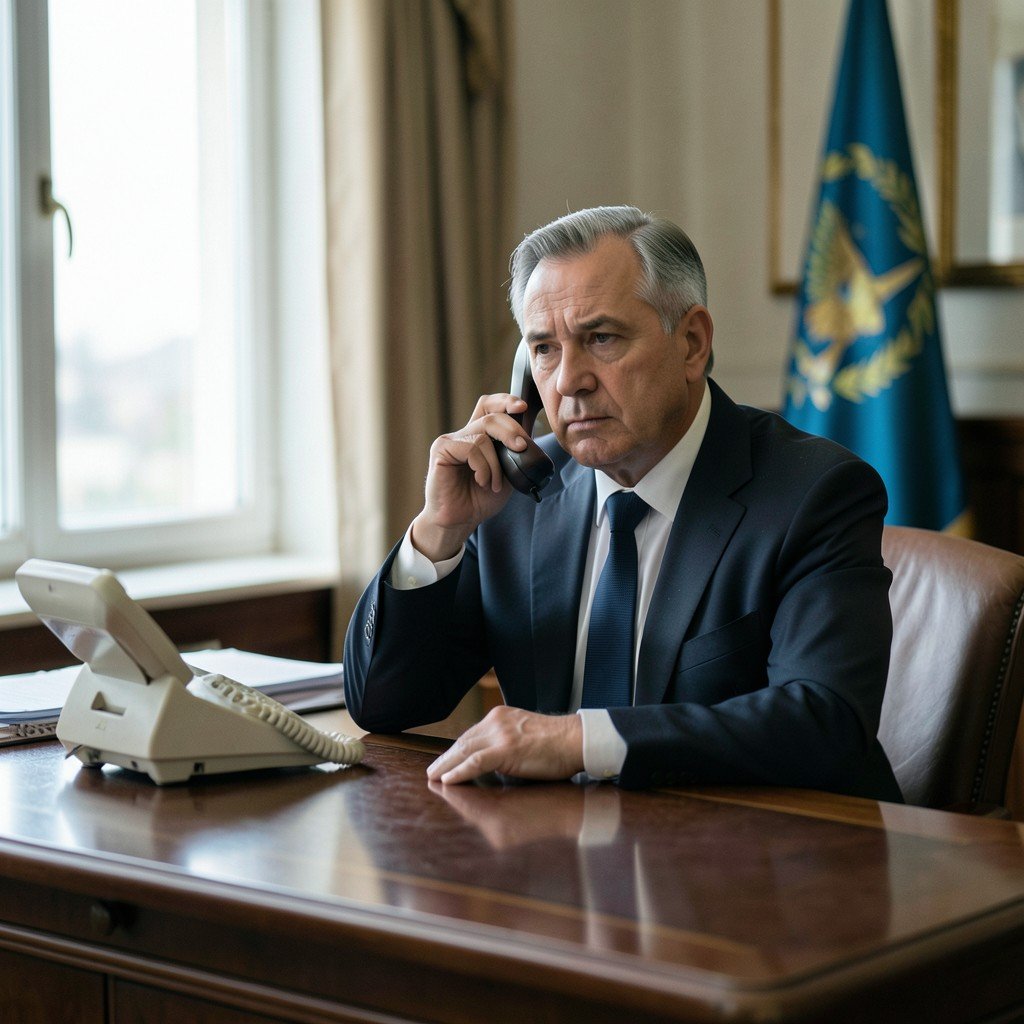
AI-generated representative image: A tense diplomatic phone call in an official government office, illustrating reported US-Israel tensions over Iran policy.
Editorial Team
Editorial Team
Reports describe a heated weekend exchange as the Israeli leader pushed for resumed military action against Iran after the US midterm elections.

Israeli Prime Minister Benjamin Netanyahu had a heated phone call with US President Donald Trump over the possibility of renewed military strikes against Iran, Ynet reported on Tuesday, citing sources familiar with the conversation. One source described the weekend exchange as a "shouting match from hell," though Netanyahu's office dismissed the account as "fake news, absolute nonsense."

The reported tension comes at a precarious moment for both leaders. Trump is recalibrating after Republicans lost control of both the House and Senate in the November 3 midterm elections, a result widely seen as a rebuke of his policies, including the unpopular war with Iran. Netanyahu, meanwhile, faces an uncertain political future after his coalition failed to secure a parliamentary majority in Israel's October 27 elections.

Key Developments

  • Ynet reported that Netanyahu had been urging Trump to resume military operations against Iran shortly after the US midterm elections, a push also noted by Axios, the Associated Press and the Financial Times.
  • Trump said on Sunday that he saw no reason to escalate the conflict with Iran, citing opposition to renewed strikes from Washington's Arab allies in the region.
  • A senior Israeli official confirmed the call took place but denied it had been confrontational.
  • Trump and Vice President J.D. Vance have both acknowledged that the Iran war contributed to the Republicans' election defeat.

Background and Political Context

The US-Israeli military campaign against Iran was launched on February 28, a decision Trump has continued to defend. "I did the right thing. I would have done it again," he told the Wall Street Journal after the midterm vote. The war has driven up energy prices and disrupted shipping through the Strait of Hormuz, a vital route for global energy supplies that normally carries around a fifth of the world's seaborne oil and liquefied natural gas trade.

Trump has vowed to maintain the naval blockade of Iranian ports, while Iran has been attacking tankers using US-designated shipping routes, which Tehran considers illegal. The ongoing conflict has become a central factor in both American and Israeli domestic politics.


Israeli Leadership Transition

On Sunday, Israeli President Isaac Herzog tasked Netanyahu's main rival, former IDF chief of staff Gadi Eisenkot, with forming a new government. Parties representing 67 members of the 120-seat Knesset recommended Eisenkot for the premiership, compared with 46 who backed Netanyahu. Eisenkot has 28 days to assemble a governing coalition, with a possible two-week extension.

The leadership shift adds another layer of uncertainty to the reported disagreement between Washington and Jerusalem over the future direction of the Iran conflict.

Current Status and Next Steps

As of now, no renewed military escalation against Iran has been announced, and Trump has publicly signaled reluctance to expand the conflict. Netanyahu's office has denied the reported confrontation, while the Israeli political transition proceeds with Eisenkot's coalition-building window underway. Further confirmation of the call's tone and any follow-up diplomatic steps remains awaited.

MORE LIKE THIS

Comments (0)

Leave a comment

A verified Gmail account is required to post comments.

No comments yet. Be the first to share your thoughts!