
Tel Aviv Rally Urges Opposition to Partner With Arab Parties to Oust Netanyahu
news

Tel Aviv Rally Urges Opposition to Partner With Arab Parties to Oust Netanyahu

By Editorial Team•Nov 1, 2026 · 10:12 AM•3 min read
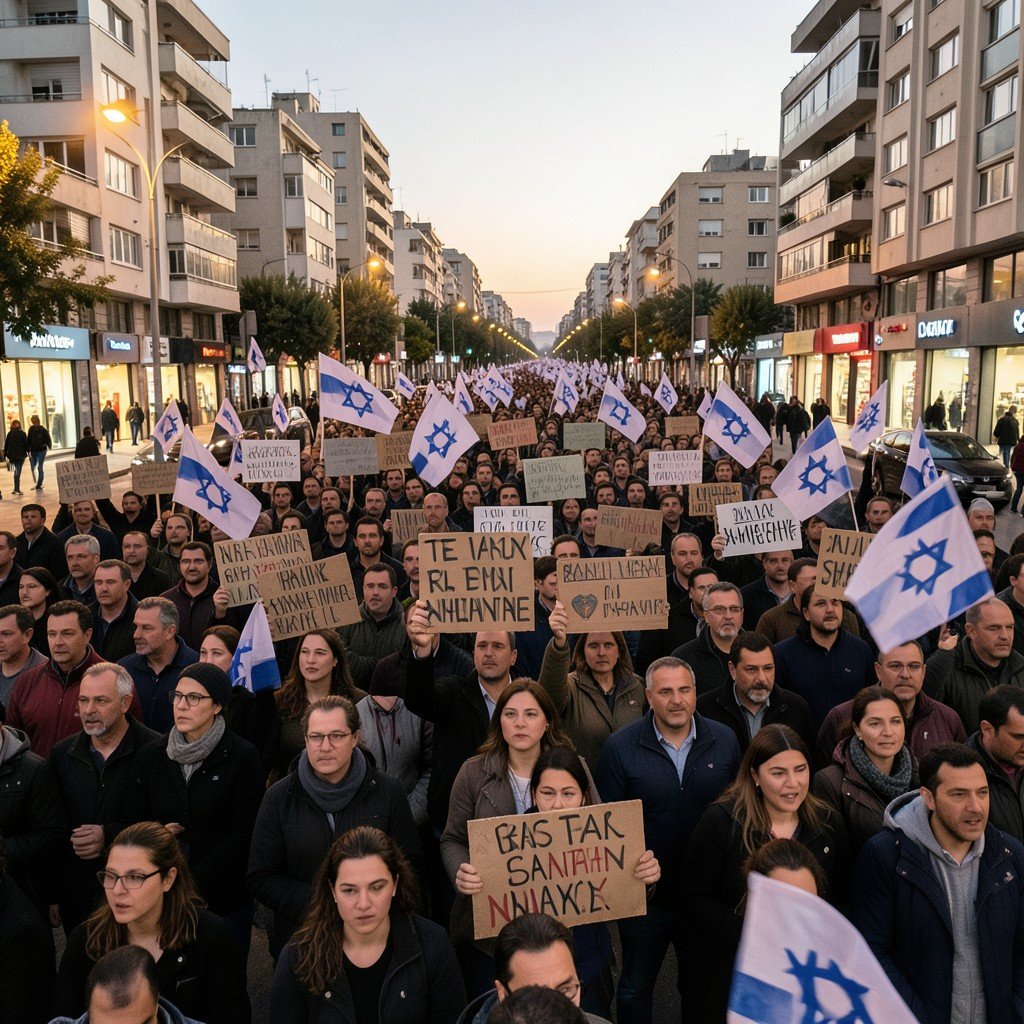
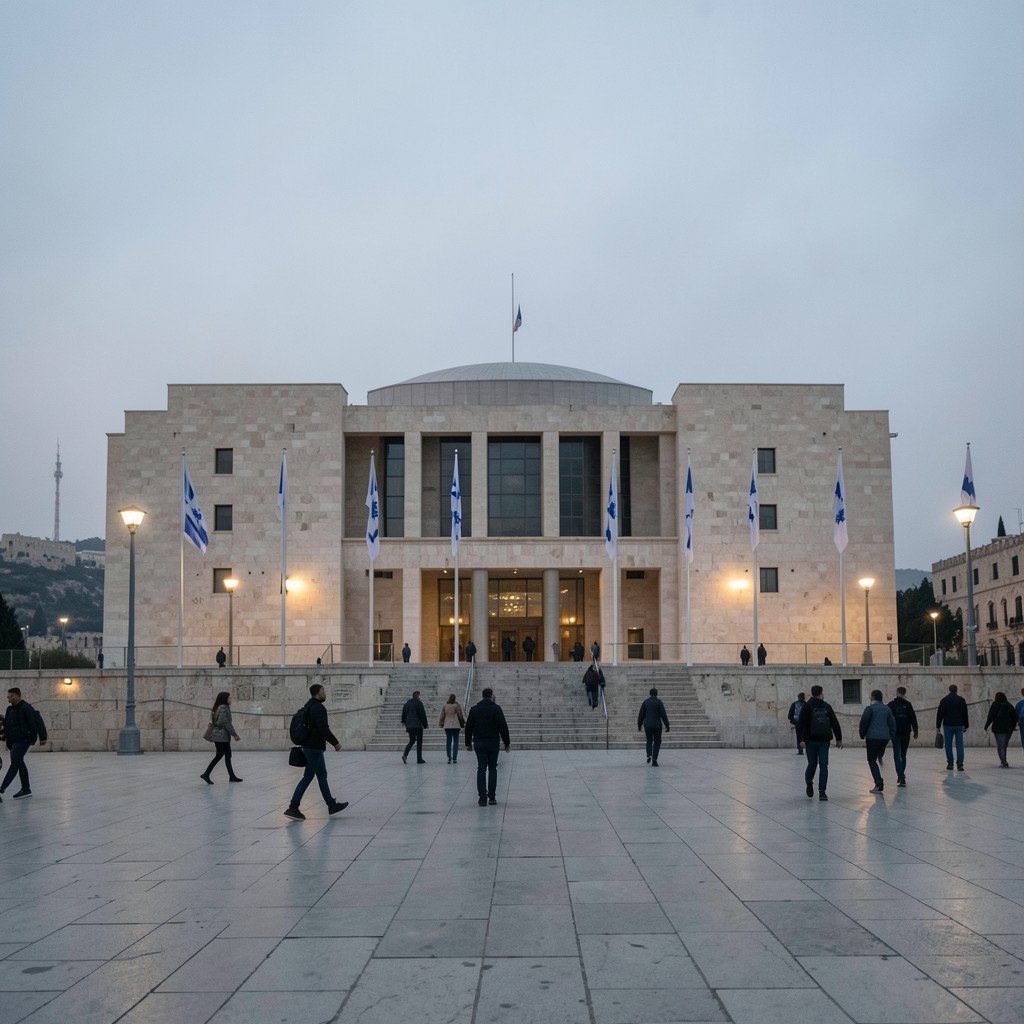
AI-generated representative image: A large political rally in Tel Aviv, with demonstrators holding placards and Israeli flags amid coalition talks after Israel'
Editorial Team
Editorial Team
Protesters push for a Jewish-Arab coalition after Israel's election deadlock left no bloc able to govern alone

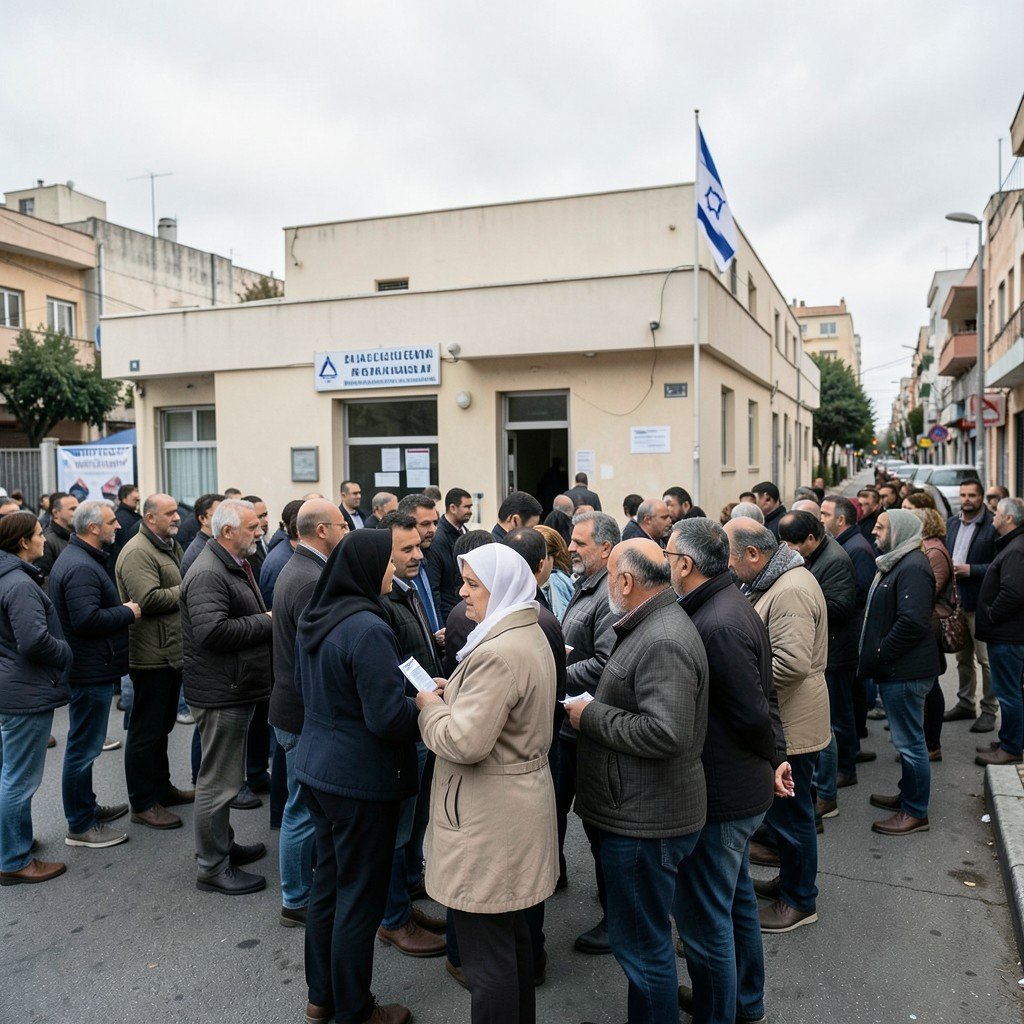
Thousands of people rallied in Tel Aviv on Saturday, urging Israeli opposition leader Gadi Eisenkot to strike a coalition deal with Arab-led parties in order to remove Prime Minister Benjamin Netanyahu from power. The demonstration followed Tuesday's parliamentary elections, in which neither Netanyahu's bloc nor Eisenkot's secured enough seats to form a government on its own in Israel's 120-seat parliament.

The rally reflects mounting public pressure for a political breakthrough after a deeply divided election produced no clear winner. With Arab-led parties holding the balance of power, the outcome could determine whether Israel's longest-serving prime minister retains office or is replaced by a broader coalition.

Election Deadlock and Protest Demands

Netanyahu's bloc won 53 seats in Tuesday's elections, while Eisenkot's won 48, leaving both short of the majority needed to govern alone. Israel's three Arab-led parties won 19 seats, a significant gain, meaning a coalition between Eisenkot and those parties would provide a comfortable majority of 67 seats.

Protesters told the AFP news agency that this may be the "last chance for real change" and described Netanyahu as a "great manipulator." Counter-protesters also attended Saturday's demonstrations, with Netanyahu supporters demanding that "Israel should not have a government with so-called terrorists."
Background and Political Stakes

Eisenkot has previously ruled out forming a coalition with Israel's Arab parties, but the election deadlock has renewed pressure on him to reconsider. For many in Israel, however, the idea of partnering with Arab parties remains politically unpalatable, reflecting longstanding divisions over the role of Palestinian-Israeli citizens in national politics.

Netanyahu, Israel's longest-serving prime minister, has accused Palestinian-Israeli parties of "stealing" the polls and accepting funding from Qatar to do so. Qatar has rejected the allegations, calling them a disinformation campaign. Israeli right-wing circles have also described the historic turnout of Palestinian Israelis as "electoral terrorism," equating it to the October 7 attack, when Hamas-led fighters stormed southern Israel, killing more than 1,200 people and taking hundreds captive.

Voter Turnout and Official Figures

Nearly 840,000 people voted for Ra'am and the Joint List, a coalition of three Arab-led parties, representing a 64 percent increase from the last elections in 2022, according to the Central Election Committee.

Al Jazeera correspondent Nour Odeh, reporting from Ramallah, said that "Palestinian-Israeli votes and voices" are under attack because they hold a "prominent position" in deciding whether Eisenkot can form a government. She added that people "really want this vote for change to work out" and believe Eisenkot and other Jewish-Israeli party leaders "need to listen to their voice."

What Lies Ahead

Neither bloc has yet secured a governing majority, and it remains unclear whether Eisenkot will reverse his earlier stance and enter coalition talks with Arab-led parties. No formal agreement has been announced, and further negotiations are expected as political leaders weigh their options following the deadlocked election.

MORE LIKE THIS

Comments (0)

Leave a comment

A verified Gmail account is required to post comments.

No comments yet. Be the first to share your thoughts!