
Israel Election Deadlock as Netanyahu Claims Arab Parties Stole Vote
news

Israel Election Deadlock as Netanyahu Claims Arab Parties Stole Vote

By Editorial Team•Oct 29, 2026 · 7:32 AM•4 min read
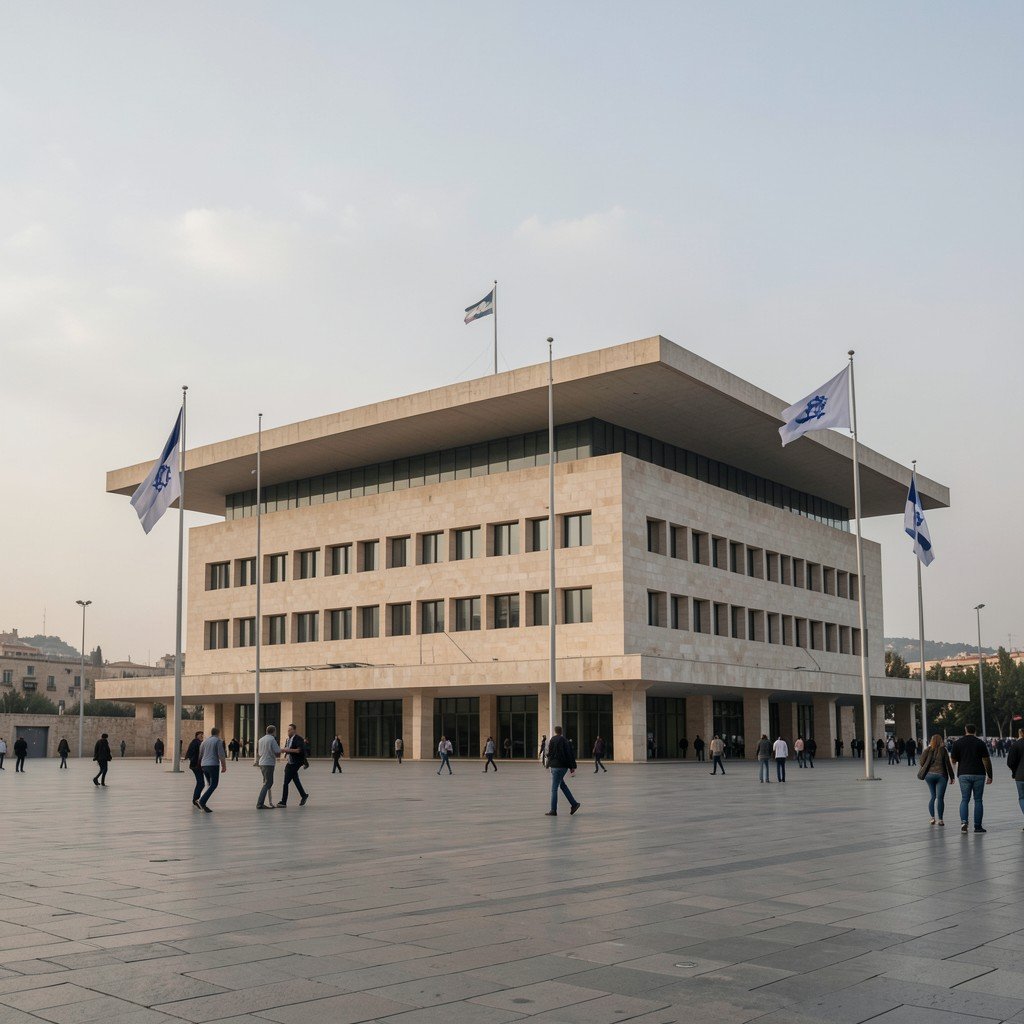
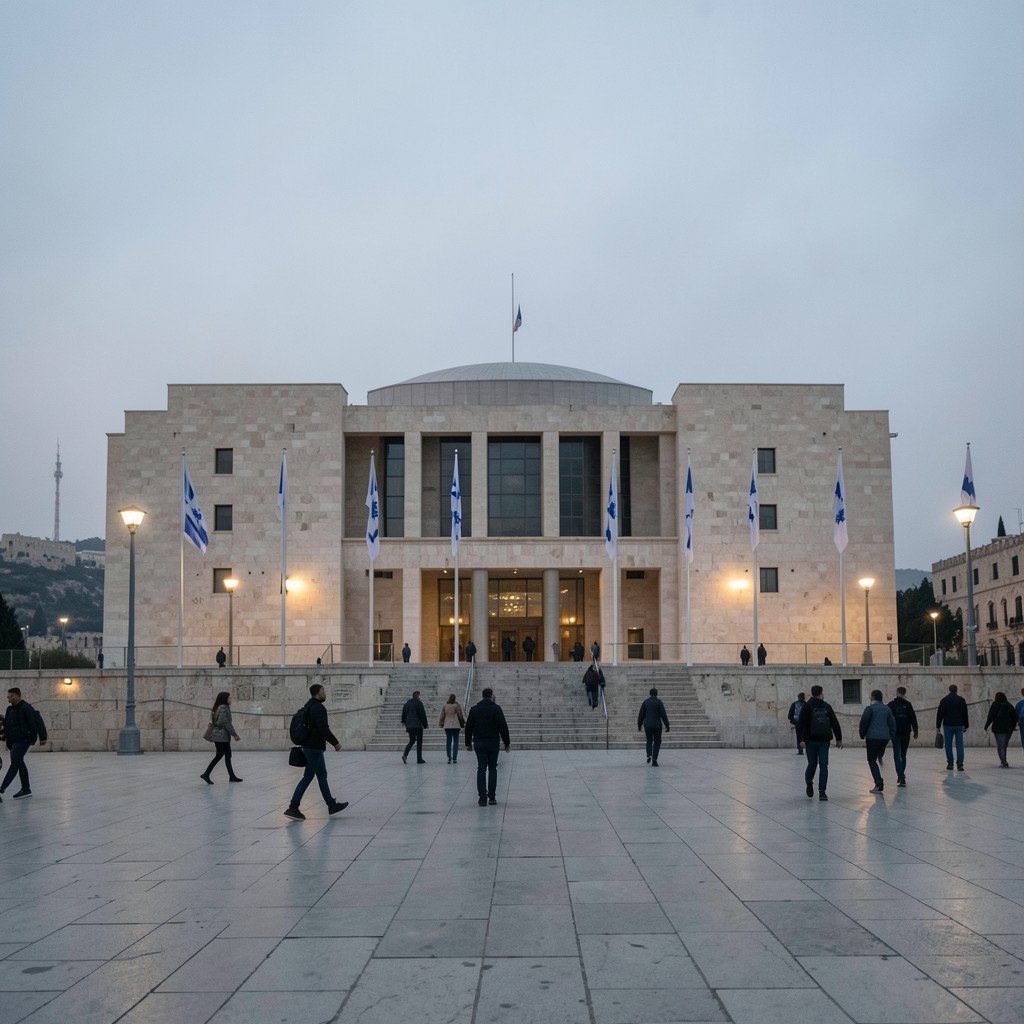
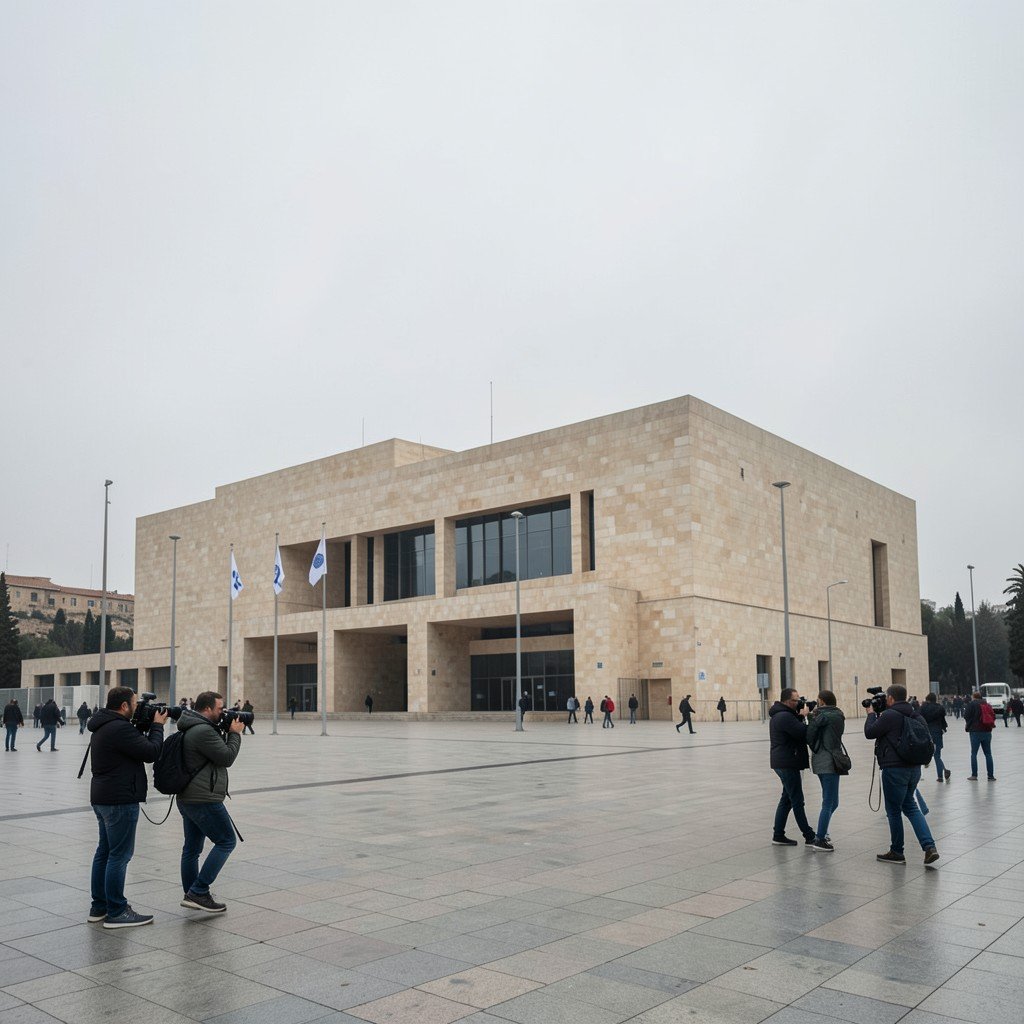
AI-generated representative image: The Knesset building in Jerusalem, amid Israel's parliamentary election deadlock.
Editorial Team
Editorial Team
Neither Netanyahu nor Eisenkot secured a Knesset majority, leaving coalition talks and fraud allegations unresolved

Israel's parliamentary elections have produced political deadlock, with neither Prime Minister Benjamin Netanyahu's right-wing bloc nor the opposition bloc led by former military chief Gadi Eisenkot on track to secure the 61 seats required for a Knesset majority. With more than 85% of votes counted as of Wednesday evening, Netanyahu has claimed the election was "stolen by Arab parties" and called for a police and Shin Bet investigation into alleged vote-buying and irregularities in Arab districts.

The outcome leaves Israel facing a period of intense coalition bargaining, with the country's two Arab parties, which nearly doubled their representation, positioned as potential kingmakers. The result matters because it could determine the next government's approach to the war in Gaza, relations with Palestinian citizens of Israel, and whether the country is pushed into yet another election cycle.

Election Results and Bloc Standings

Netanyahu's Likud remains Israel's largest party, projected to win 26 seats, down from 32 in 2022. Yashar, led by Gadi Eisenkot, is second with 21 seats. Netanyahu's bloc, which includes the far-right and religious parties Otzma Yehudit, United Torah Judaism, Shas, and Religious Zionism, controls 53 seats, ten short of a majority.

Eisenkot's opposition bloc comprises Yashar, the B'Yachad party of former Prime Ministers Naftali Bennett and Yair Lapid, Yair Golan's Democrats, and Yisrael Beytenu led by former Defense Minister Avigdor Liberman. Together this bloc controls 48 seats.

The two Arab parties, Yousef Jabareen's Joint List and Mansour Abbas' Ra'am, won 12 and seven seats respectively, up from a combined ten seats in 2022. Their combined 19 seats could prove decisive in coalition negotiations.
Background and Political Context

The Arab parties' surge was driven by anger over Netanyahu's war on Gaza and his appointment of overt Jewish supremacists to cabinet positions, prompting record turnout in Arab-majority districts. Netanyahu has explicitly ruled out cooperation with either Arab party, both of which have condemned the war on Gaza.

Israel has a history of political instability. In the four years before 2022, the country went through five elections, with repeat votes and failed coalition talks becoming a recurring pattern. In 2020, Netanyahu and centrist ex-general Benny Gantz reached a power-sharing agreement after three elections in less than a year, though that coalition collapsed within twelve months.

President Isaac Herzog will ultimately decide which leader has the best chance of forming a stable government and task them with coalition-building. Herzog has urged all parties to enter negotiations "with an open mind" and has said the country must "do everything we can" to avoid another election round.

Disputed Claims and Party Positions

Netanyahu said after polls closed that it is "forbidden, simply forbidden, to endanger Israel and to establish a government that relies on anti-Zionist Arab parties." On Wednesday he claimed Likud had uncovered evidence of vote-buying, "threats and violence against polling station members," and repeat voting in Arab districts.

Eisenkot's Yashar party preemptively warned that Netanyahu would attempt to delegitimize the result, stating that the prime minister "is panicking and has begun making up stories and claiming that the election is being stolen." Eisenkot, Liberman, and Bennett have all ruled out cooperation with the Arab parties, while Democrats leader Yair Golan has urged the anti-Netanyahu bloc to partner with Ra'am and the Joint List, which would give the bloc 65 seats.

Abbas has signaled willingness to enter government with the anti-Netanyahu bloc, while Jabareen has said Joint List lawmakers would allow a minority government in exchange for concessions on Palestine and funding for Arab communities.

What Happens Next

Final results will not be known until Thursday, when the Central Election Committee finishes tallying "double envelope" ballots cast by soldiers, diplomats abroad, prisoners, and other voters unable to reach polling stations. President Herzog will then consult with party leaders and task one of them with forming a government.

Three broad outcomes remain possible: Netanyahu could strike a deal with right-wing rivals, Eisenkot's bloc could cooperate with the Arab parties, or a unity government could emerge. If none of these materialize, Israel could face another election cycle, an outcome Herzog has said he wants to avoid.

MORE LIKE THIS

Comments (0)

Leave a comment

A verified Gmail account is required to post comments.

No comments yet. Be the first to share your thoughts!