Israel Election Exit Polls Show Dead Heat Between Netanyahu and Eisenkot
news

Israel Election Exit Polls Show Dead Heat Between Netanyahu and Eisenkot

By Editorial Team•Oct 28, 2026 · 3:56 AM•4 min read
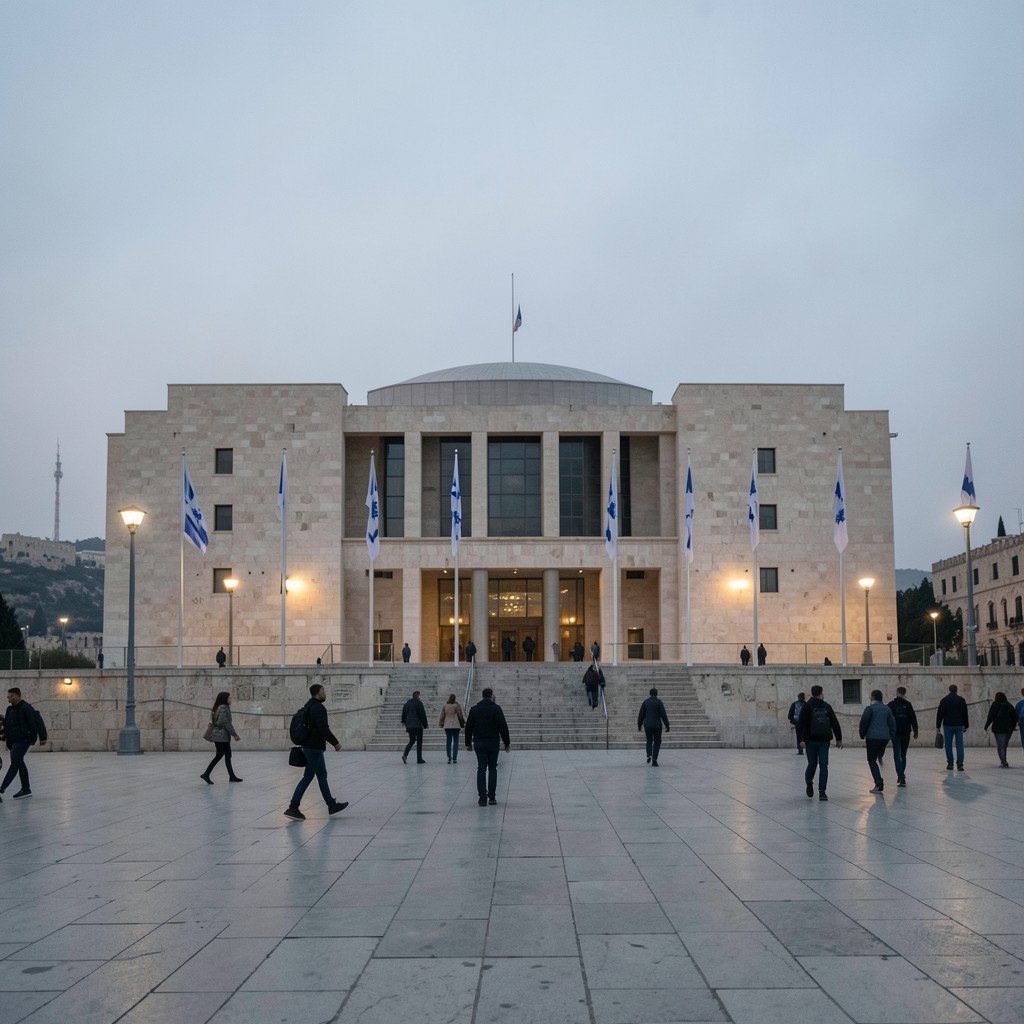
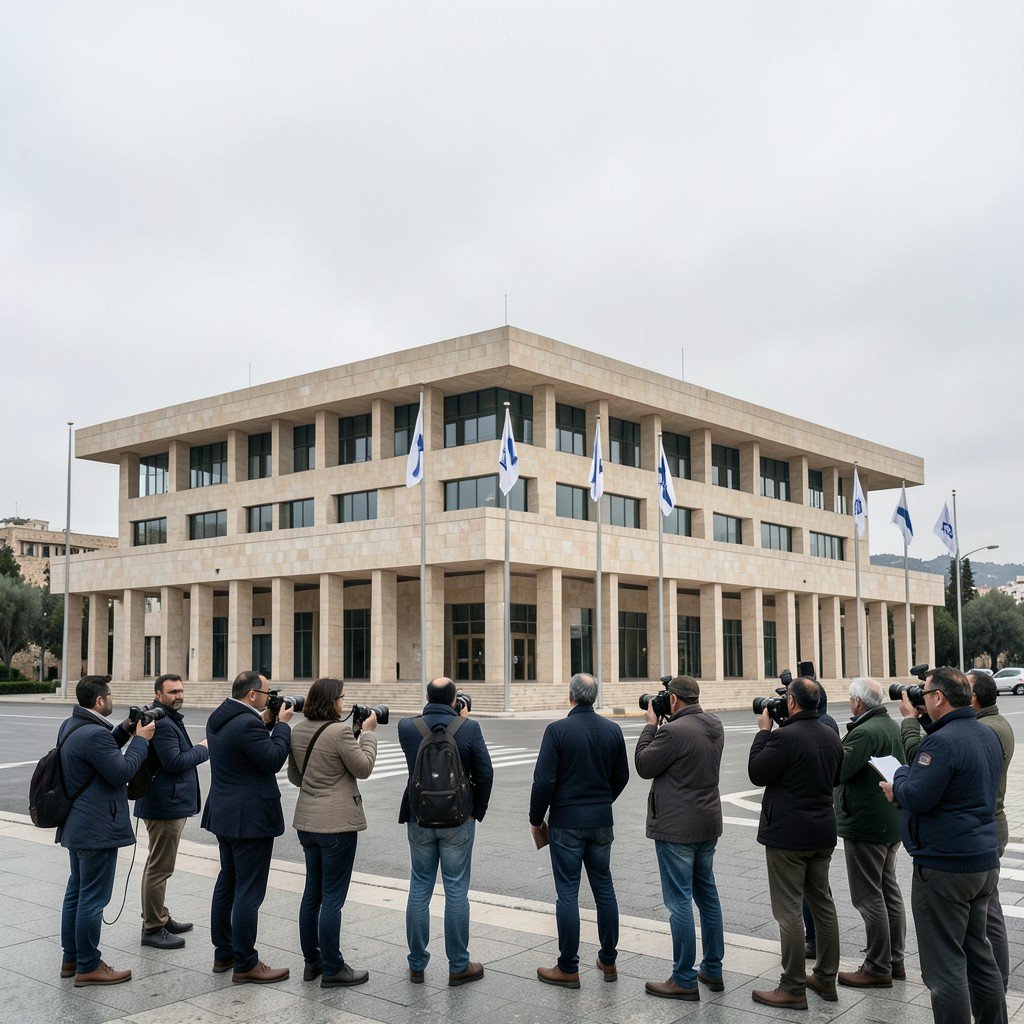
AI-generated representative image: The Knesset building in Jerusalem, seen at dusk, as Israeli election exit polls indicate a close race.
Editorial Team
Editorial Team
Likud emerges as largest party but no Knesset bloc nears a governing majority

Exit polls from Israel's parliamentary election show a neck-and-neck race between Prime Minister Benjamin Netanyahu and his main rival, former military chief of staff Gadi Eisenkot, with neither bloc likely to secure a clear path to a governing majority. Tuesday's vote was widely seen as a referendum on Netanyahu's leadership and his response to the Hamas-led attacks of October 7, 2023, and the subsequent war on Gaza.

Late-night projections from Channel 12 gave Netanyahu's bloc 52 seats in the 120-seat Knesset, edging out the opposition bloc led by Eisenkot's Yashar party at 49 seats. Channel 13 earlier indicated the two blocs were tied at 51 seats each.

The result leaves Israel facing prolonged coalition negotiations, as no single party has ever won the 61-seat majority needed to govern outright. The election outcome will determine the direction of Israel's policy on the war in Gaza, the escalating violence in the occupied West Bank, and relations with neighbouring countries.

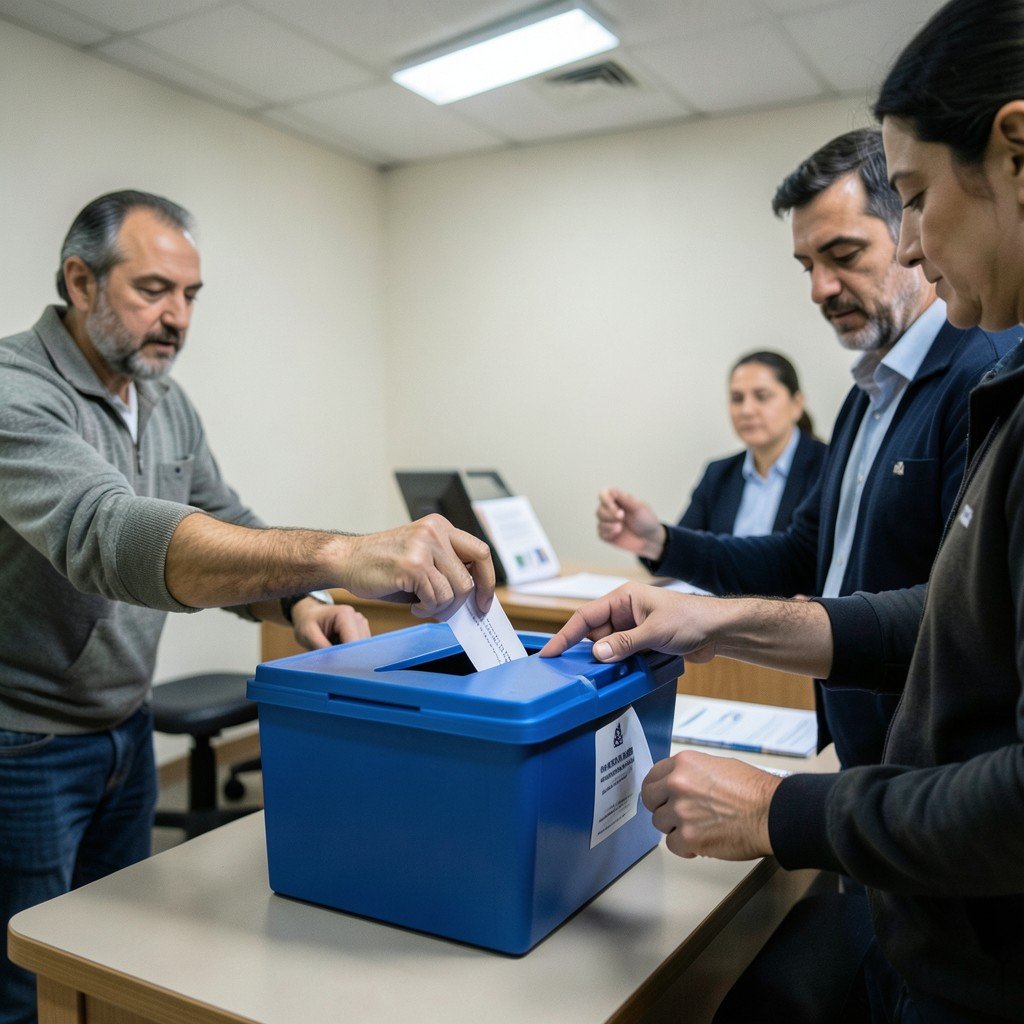
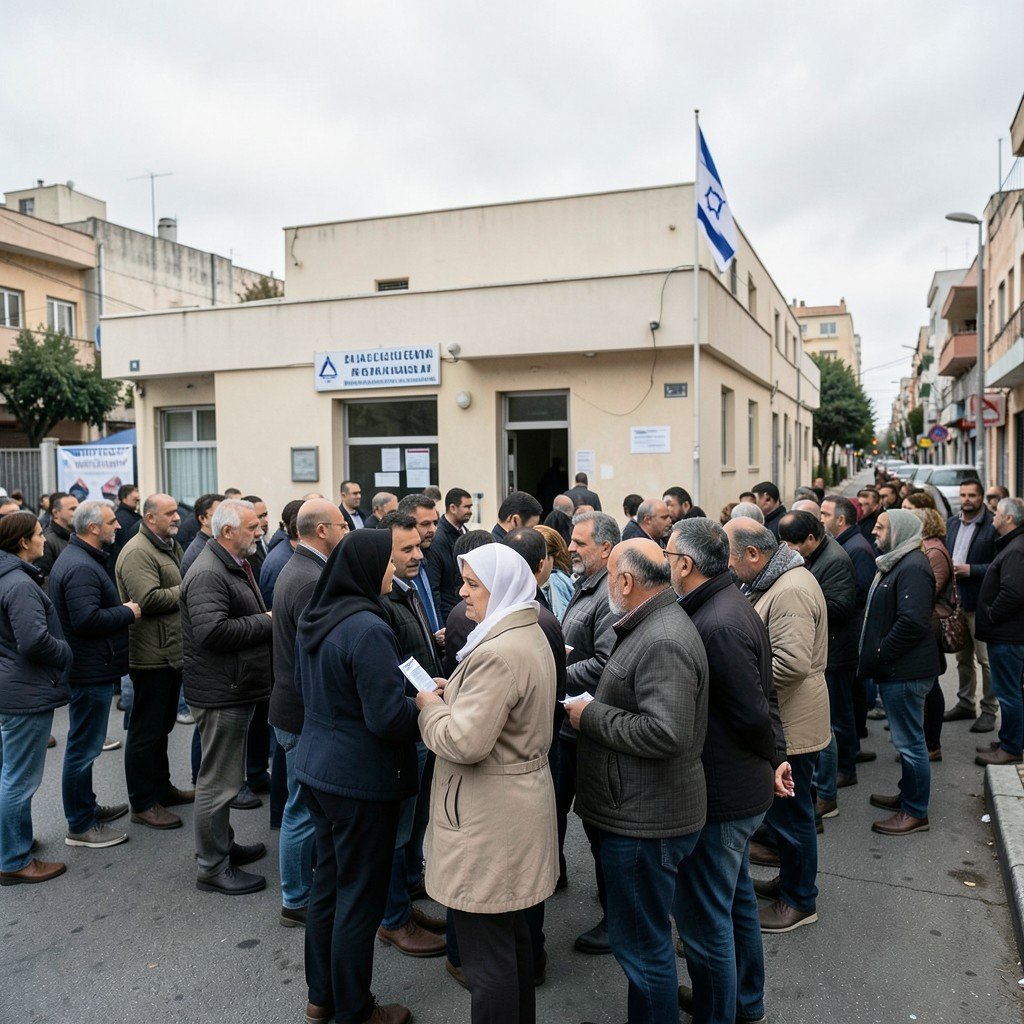
The vote also produced the highest turnout since 1999, with 77.7 percent of eligible voters participating, a 7.1 percentage point increase from 2022.

Projected Results and Party Performance

  • Netanyahu's Likud party is projected to emerge as the single largest party with an estimated 27 seats, ahead of Yashar's 21 seats, according to updated projections from Channels 12 and 13.
  • Arab parties were projected to win 19 seats collectively, building on their 2022 performance.
  • Far-right Finance Minister Bezalel Smotrich said his party was projected to win seven seats and vowed to continue expansion of Jewish settlements in the occupied West Bank.
  • National Security Minister Itamar Ben-Gvir praised his Otzma Yehudit party's performance, saying the party "was not even existing on the political landscape."
  • Ra'am leader Mansour Abbas said his party was projected to win around seven seats and hopes final results will let the opposition bloc reach the 61-seat threshold.

Background and Election Context

The election took place amid escalating violence in the occupied West Bank and mounting tensions with several of Israel's neighbours, many of which it has attacked in the past three years. Netanyahu has served as prime minister off and on since 1996, returning to office in 2022.

Israelis vote for parties, which then form alliances to create a governing coalition led by a prime minister. Because no single party has ever won a 61-seat majority, post-election negotiations are a standard feature of Israeli politics.

Leaders' Reactions and Accusations

Opposition leader Eisenkot told supporters at his Yashar party headquarters that "the old era is over, and Israel is starting a new era," declaring that the public had voted for change. Netanyahu countered that his Likud party is dominant and called for a "national right-wing government," stating that "the right bloc has a majority. And it is a decisive majority." He also accused Israeli television channels of trying to discourage his supporters by projecting stronger results for opposition parties.

Democrats leader Yair Golan said on X that Israeli voters had "fired the Netanyahu government" and pledged to form a new administration. Separately, Arab-led politicians accused Netanyahu of inciting hatred against Palestinian citizens in Israel. Joint List leader Yousef Jabareen said Netanyahu knew that "we can put an end to his bloody reign," while United Arab List leader Mansour Abbas denounced Netanyahu's comments as a "scare tactic to mobilise right-wing voters."

What Happens Next

Preliminary official results are expected on Wednesday and may vary from exit polls, which are unofficial indicators. The final vote tally is expected by Friday, with official results formally published on November 4.

Once the final count is in, President Isaac Herzog will consult party leaders and tap the candidate he believes has the best chance of forming a government. That person will have up to 42 days to assemble a coalition. If no government emerges, Netanyahu's current cabinet will remain as a caretaker government, and if negotiations fail entirely, new elections will be called.


MORE LIKE THIS

Comments (0)

Leave a comment

A verified Gmail account is required to post comments.

No comments yet. Be the first to share your thoughts!