
Israel Election Results: Netanyahu Faces Tight Race After October 7
news

Israel Election Results: Netanyahu Faces Tight Race After October 7

By Editorial Team•Oct 27, 2026 · 2:05 PM•3 min read
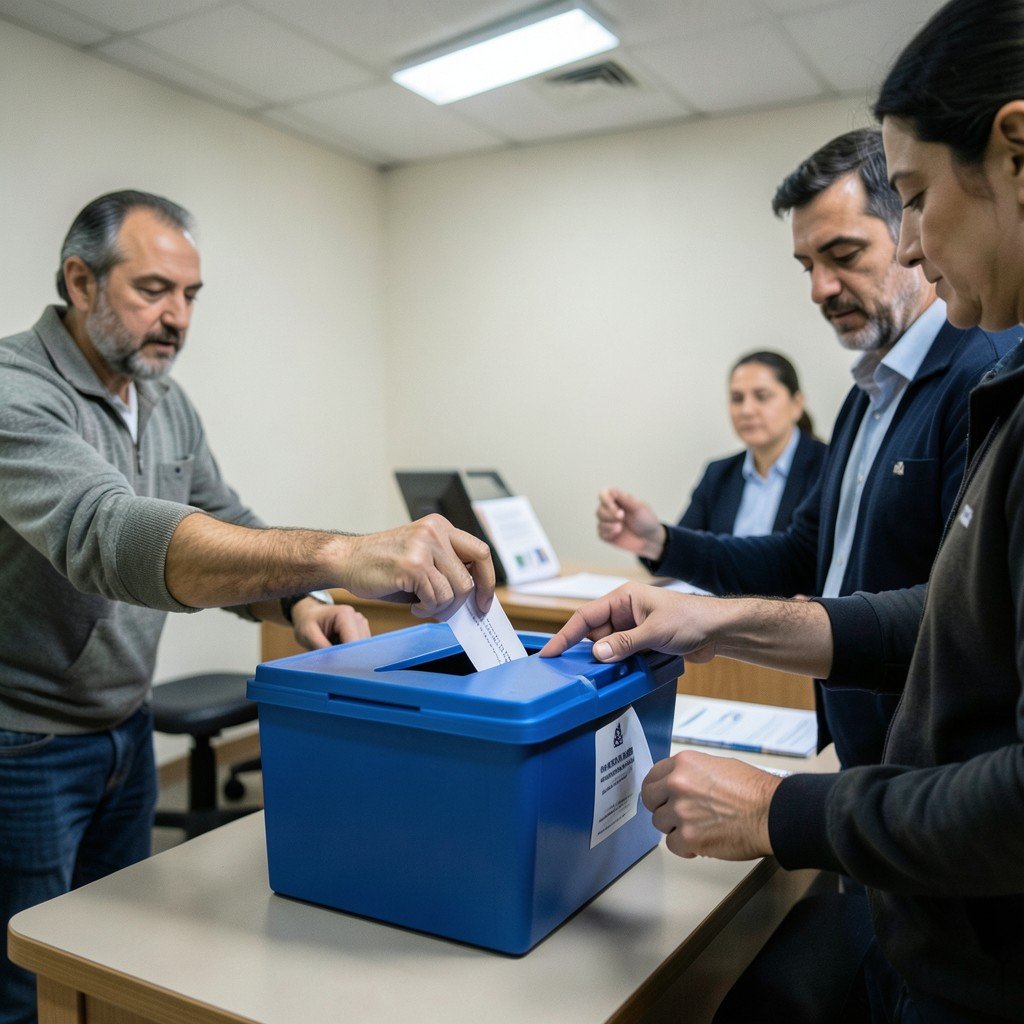
AI-generated representative image: A voter casts a ballot at a polling station during Israel's national election.
Editorial Team
Editorial Team
Closely fought Knesset contest pits Netanyahu's coalition against Gadi Eisenkot's opposition bloc as coalition talks loom.

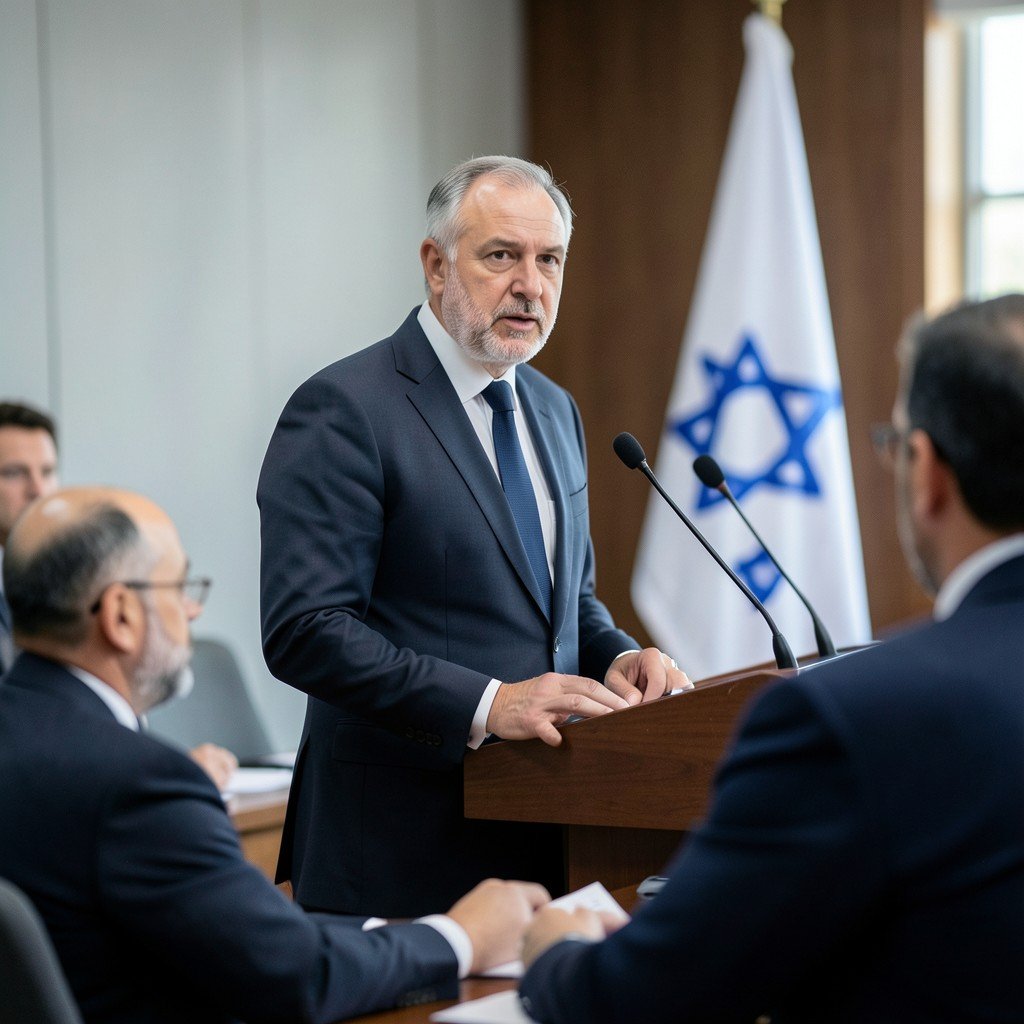
Israelis went to the polls on Tuesday in the country's first national election since the October 7, 2023 Hamas attack on southern Israel, with Prime Minister Benjamin Netanyahu's coalition locked in a tight race against the opposition bloc led by former military chief of staff Gadi Eisenkot. Polls opened at 7am local time (05:00 GMT) and closed at 10pm (20:00 GMT), with about 7.3 million Israelis eligible to vote.

Final surveys published Friday indicated Netanyahu's bloc could win around 50 seats in the 120-seat Knesset, slightly trailing the opposition's projected 54 seats, though neither grouping was expected to reach the 61 seats needed for a majority.

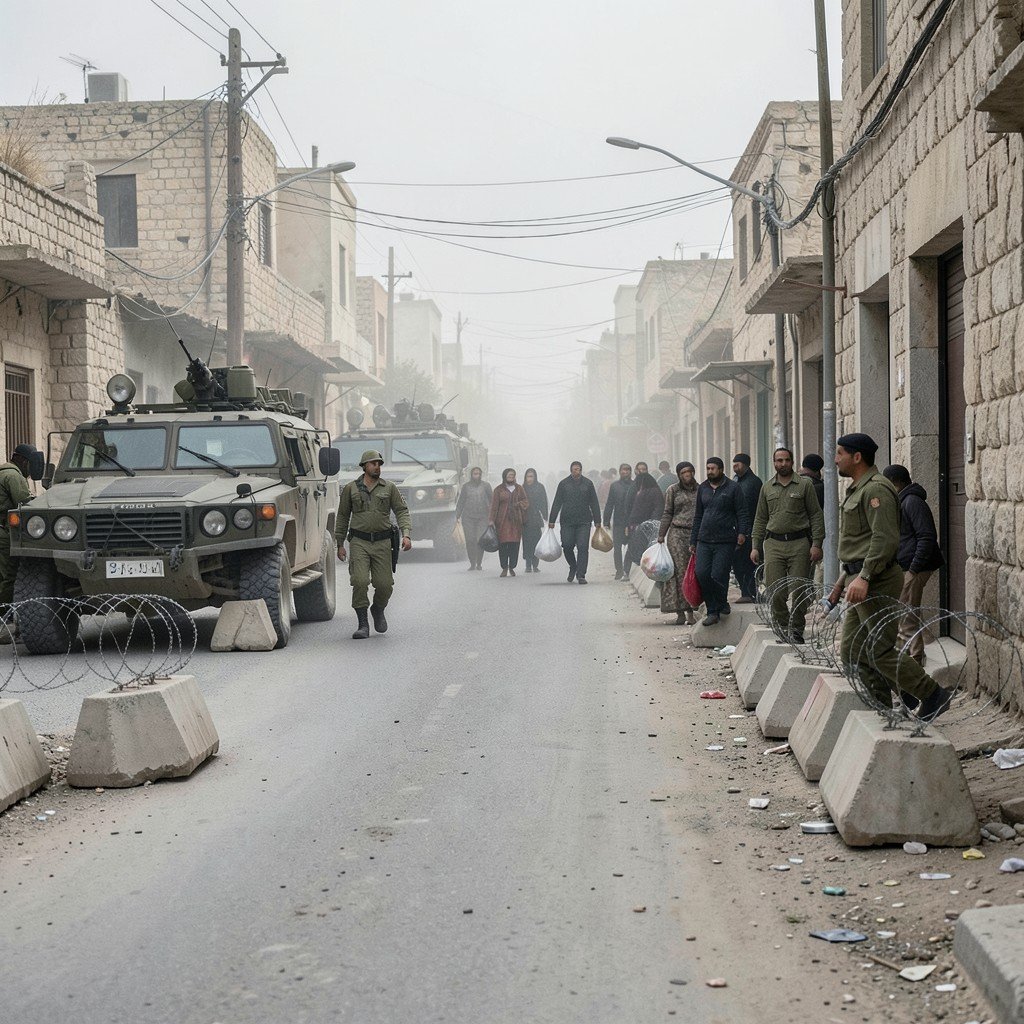
The election outcome will shape Israel's direction amid escalating violence in the occupied West Bank, mounting tensions with neighboring countries, and unresolved domestic disputes over the government's handling of the October 7 attack, efforts to retrieve captives held in Gaza, alleged corruption, and exemptions for ultra-Orthodox military service.

Because no single party has ever won an outright majority in Israel, the real contest will unfold in the weeks ahead as party leaders negotiate to assemble a governing coalition.

Election Day and Polling Details

About 7.3 million Israelis were eligible to vote, including 1.2 million Palestinian citizens of Israel. The country does not permit a general absentee ballot, requiring voters to be physically present on election day, with diplomats and state emissaries as the exception; they cast ballots at Israeli missions on October 20.

An average of polls from Israeli Channels 11, 12 and 13, collated by Israeli outlet Haaretz, projected as of Friday that Netanyahu's bloc would take 50 seats while Eisenkot's opposition bloc would secure 54 seats. A grouping needs 61 seats for a majority.

Electoral System and Political Background

Israel uses a proportional representation system in which voters choose a single party rather than individual candidates. The number of seats a party wins in the Knesset corresponds to its share of the national vote, and a party must secure at least 3.25 percent of the vote to enter parliament. About a dozen parties are widely expected to cross that threshold, meaning final seat allocation will take time.

The vote is the first since the October 7 attack, and it follows three years of war on Gaza, intensified Israeli operations in the occupied West Bank, and strikes against several neighboring countries. Netanyahu also faces domestic scrutiny over alleged failures that permitted the October 7 attack, the government's handling of captive retrieval efforts, corruption allegations, and disputes over military service exemptions for the ultra-Orthodox community.

How Results and the Prime Minister Are Determined

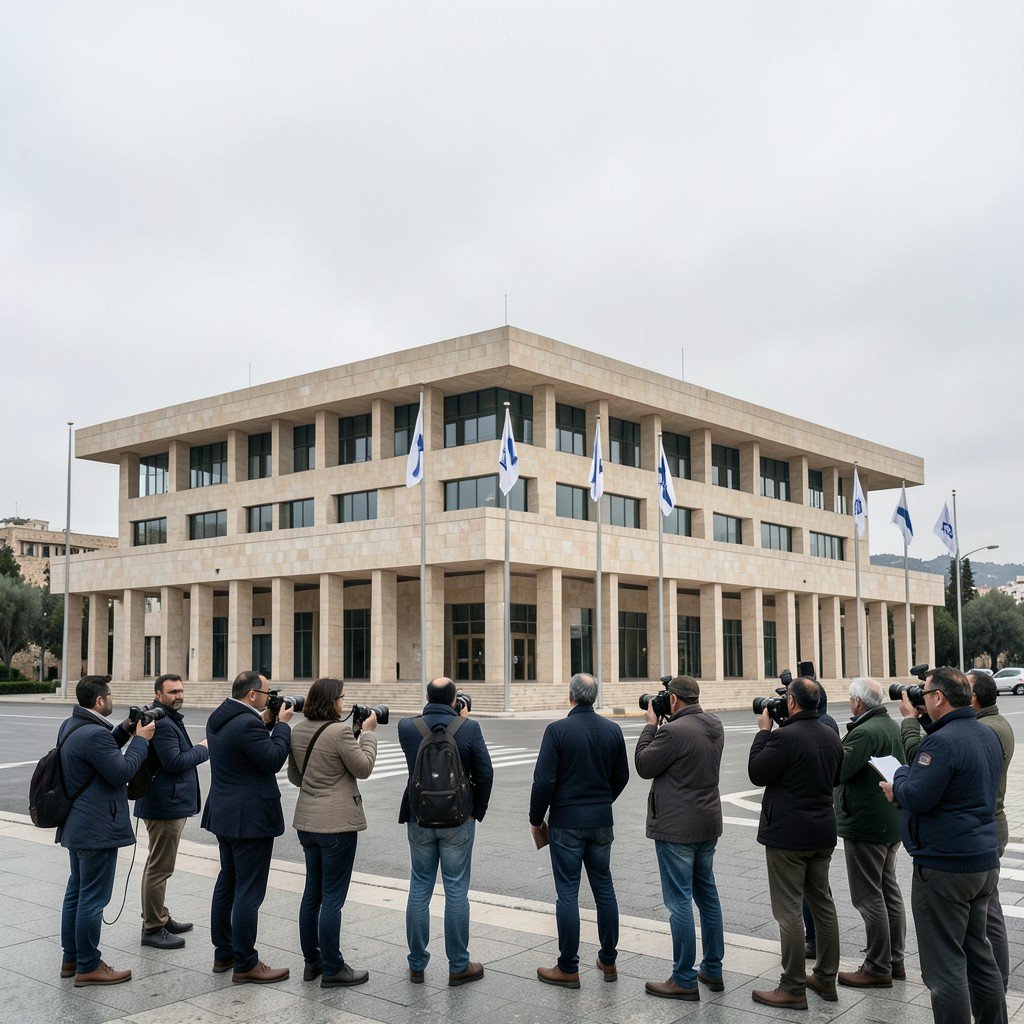
News channels broadcast exit poll results after polls closed, with first indications expected within hours. Live results are published on the Central Elections Committee website. The final vote tally is expected by Friday, and official results are formally published a week after the election, on November 4.

Once the final count is complete, President Isaac Herzog will consult party leaders and then nominate the candidate he believes has the best chance of forming a government. That candidate has up to 42 days to assemble a coalition, a process that has historically taken weeks given the fragmented nature of Israeli politics.

What Happens Next

If no government is formed, Netanyahu's current cabinet will remain in place as a caretaker government. The leading vote-getter may pursue a minority government or a power-sharing arrangement in which two leaders alternate as prime minister. If all negotiations fail and no grouping can assemble a workable government, new elections will be called.

MORE LIKE THIS

Comments (0)

Leave a comment

A verified Gmail account is required to post comments.

No comments yet. Be the first to share your thoughts!