
France Student Protests Deepen as Fiscal Crisis and Budget Cuts Grow
news

France Student Protests Deepen as Fiscal Crisis and Budget Cuts Grow

By Editorial Team•Oct 27, 2026 · 8:28 AM•3 min read
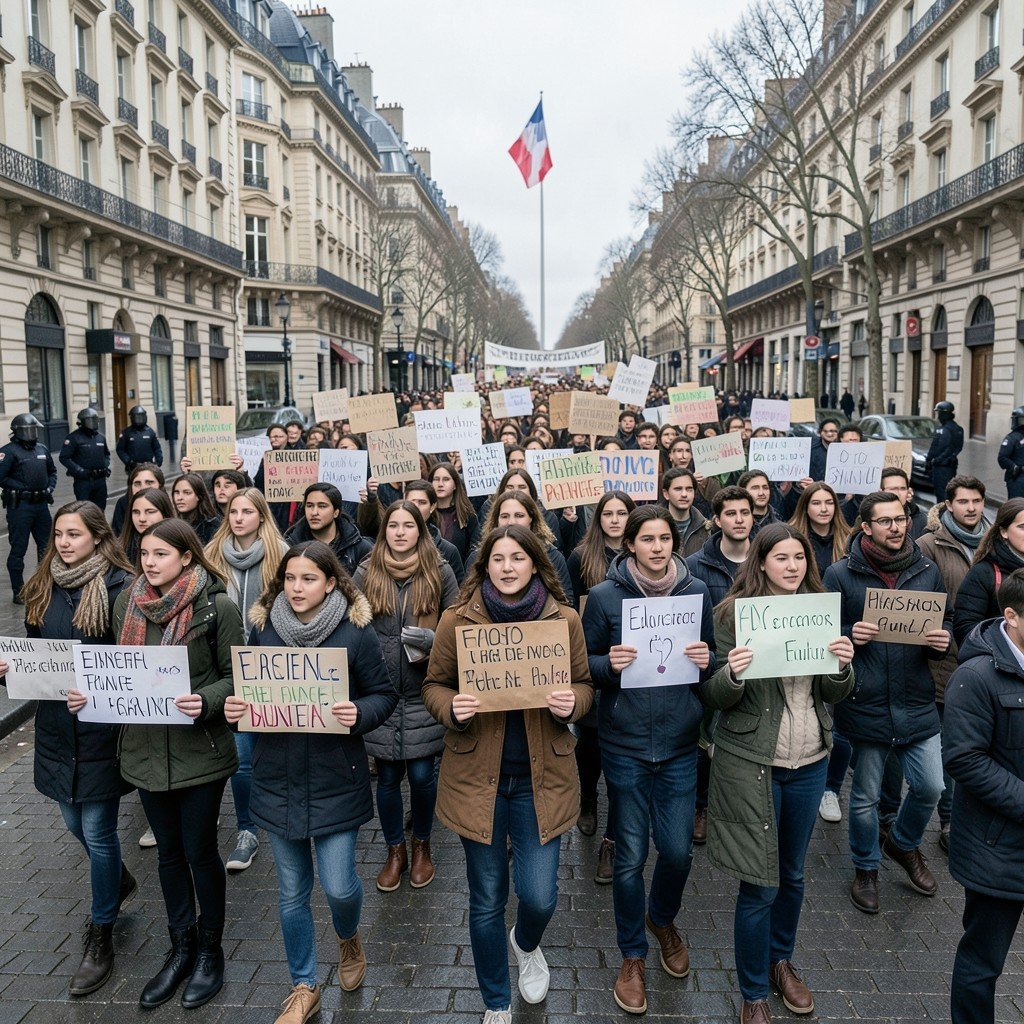
AI-generated representative image: Students march through Paris during nationwide protests over education funding and the cost of living.
Editorial Team
Editorial Team
Nationwide demonstrations over education conditions and cost of living escalate into a broader political crisis for Macron's government.

Young people across France continued nationwide protests over the weekend, demanding better education facilities and a more promising future amid the country's rising cost of living. The Ministry of Interior reported that 410,000 people protested on Saturday, including 110,000 in Paris, as the government has struggled to address the issues raised by the student-led movement.

The demonstrations, which began in mid-September over deteriorating school conditions, have evolved from a localized strike into a broader economic and political crisis. Students, teachers, trade unions and civil servants have now joined forces against the government's proposed 54-billion-euro ($60bn) package of cost-cutting and tax measures for the 2027 budget, which includes civil servant salary freezes.

Major Developments in the Protest Movement

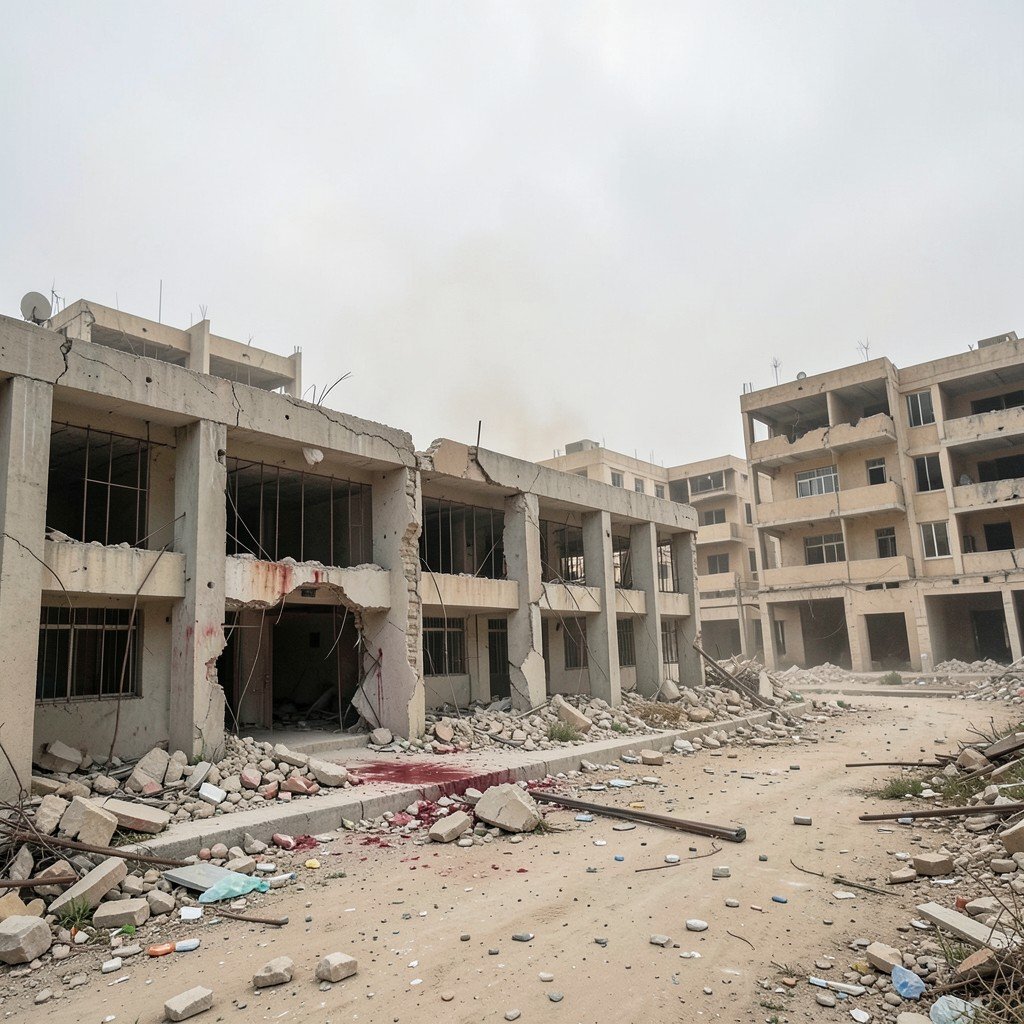
The protests began when high school students blockaded campuses over overcrowded classrooms, often holding 32 to 35 pupils per room, unreplaced teacher absences and dilapidated building infrastructure. Protesters have carried placards reading statements like "We have a future to build, not to endure."

  • Teachers have joined the demonstrations over low salaries, with French teachers earning a gross annual salary of 41,968 euros ($46,900), compared with 69,453 euros ($77,700) for their German counterparts, according to the Organisation for Economic Co-operation and Development's Education at a Glance 2026 report.
  • On Friday, President Emmanuel Macron met representatives of the student movement for the first time since the protests began, but the meeting failed to defuse tensions.
  • On Monday, during a visit to Marseille, Macron said he has "asked the government to address the legitimate demands at the root of this protest movement."
Historical Context and Government Response

France was previously roiled by nearly two years of protests beginning in 2018 over the high cost of living and opposition to Macron's economic policies. Those demonstrations, led by the Yellow Vests movement, demanded that the government address rising economic inequality, boost welfare and public services, and tax the rich. Many of those demands remain unfulfilled.

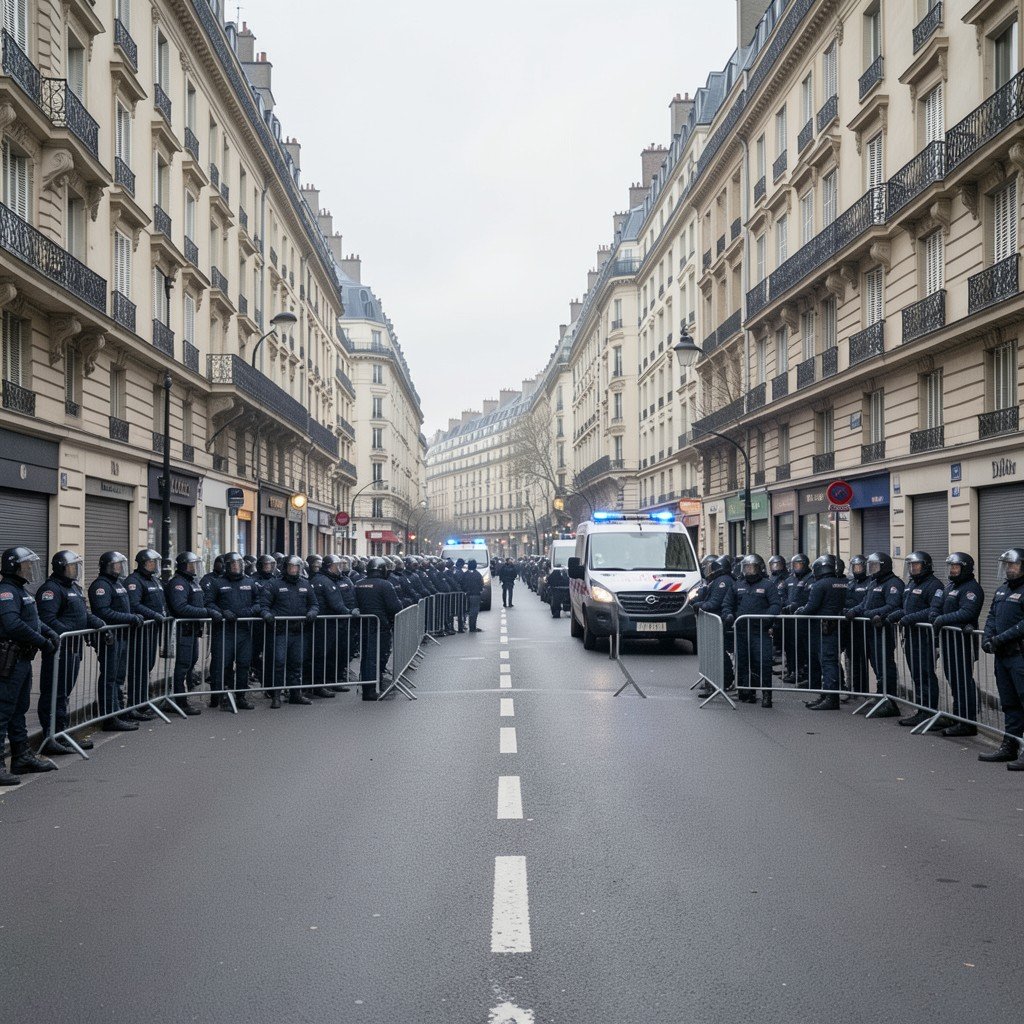
The current government has responded to the mass protests by imposing curfews and deploying police across the country. Macron has blamed ultra-left groups for trying to "bring down the Republic" and threatened accountability for those involved in violence. The government is also expected to announce changes to Parcoursup, France's national online university admissions platform, according to French media reports.

Fiscal Pressures Behind the Crisis

Analysts say the government is struggling to address students' demands due to a severe fiscal crisis and planned budget cuts that have reduced the education budget. Economist Lucas Chancel, co-director of the World Inequality Lab, reported that the public budget for higher education, student life and research has decreased by 20 percent since 2017 when adjusted for inflation and student numbers.

France's national debt has ballooned to about 3.6 trillion euros ($4 trillion), equivalent to 119 percent of gross domestic product (GDP). The country's deficit is expected to reach 5.4 percent of GDP in 2026, far above the European Union average of just over 3 percent. In an address to the nation on October 7, Prime Minister Sebastien Lecornu acknowledged that "the anger among young people didn't come out of nowhere" and promised a plan to address the crisis by the end of October.

What Lies Ahead

Student representatives have called for further mobilization until the government presents concrete actions. Economist Thomas Piketty has argued in Le Monde that reinvesting in education and health should be the government's priority, while other analysts warn that France faces political paralysis on reform decisions. The government has promised a plan by the end of October, but no concrete measures have yet been announced.

MORE LIKE THIS

Comments (0)

Leave a comment

A verified Gmail account is required to post comments.

No comments yet. Be the first to share your thoughts!