
Venezuela Earthquake Amputees Face Lifelong Prosthetics Costs
news

Venezuela Earthquake Amputees Face Lifelong Prosthetics Costs

By Editorial Team•Oct 26, 2026 · 7:01 PM•4 min read
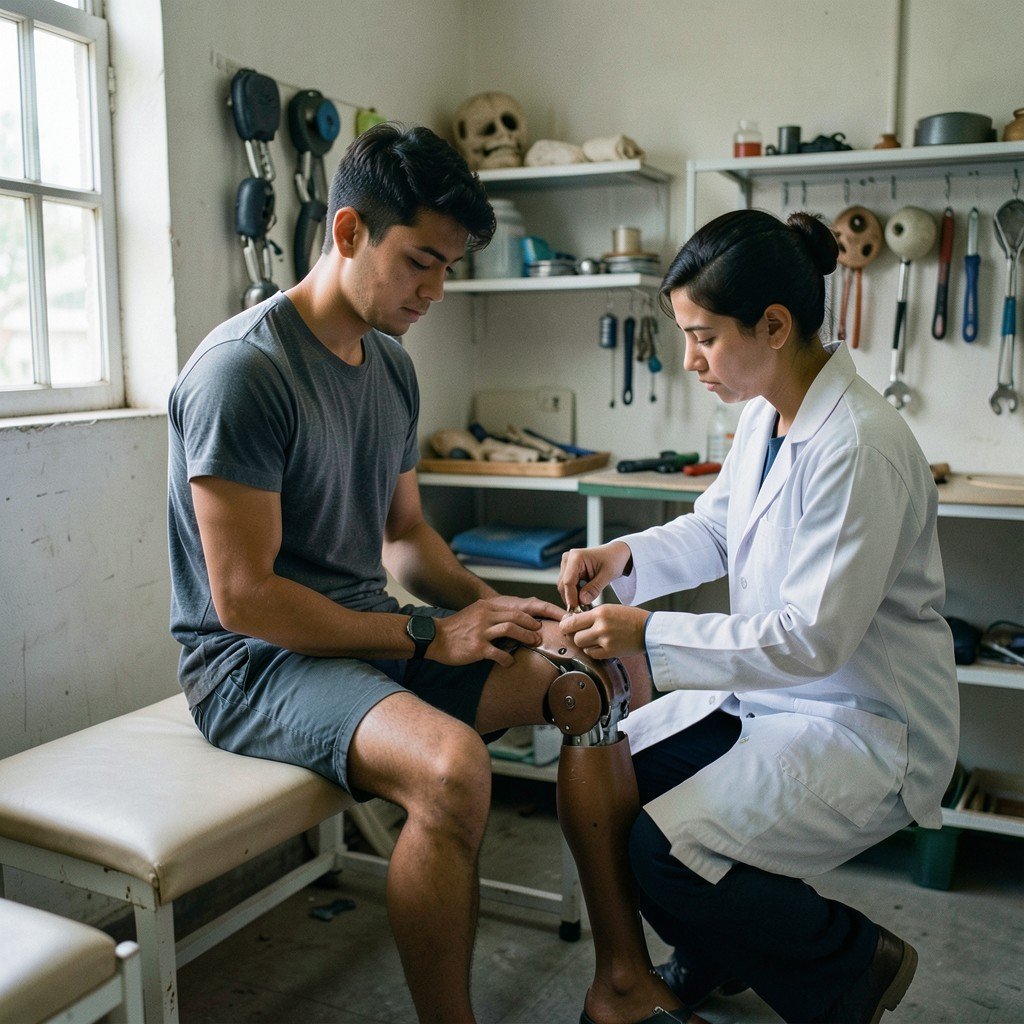
AI-generated representative image: A young amputee is fitted with a prosthetic leg at a workshop in Caracas, illustrating the long-term rehabilitation costs fac
Editorial Team
Editorial Team
As international aid falls short, survivors face uncertain futures amid strained rehabilitation and healthcare systems

More than four months after twin earthquakes devastated Venezuela, survivors who lost limbs are confronting a new reality that extends far beyond physical recovery. Ricardo Contreras, a 24-year-old whose left leg was amputated after he was trapped beneath rubble on the night of June 24, is among thousands adapting to life with prosthetics while also grieving the loss of his parents.

Government authorities have confirmed more than 6,500 deaths from the earthquakes, with at least 226,696 people receiving hospital treatment for injuries. Yet as global attention has faded, international funding for recovery efforts has fallen sharply, leaving survivors to manage lifelong health costs with dwindling support.

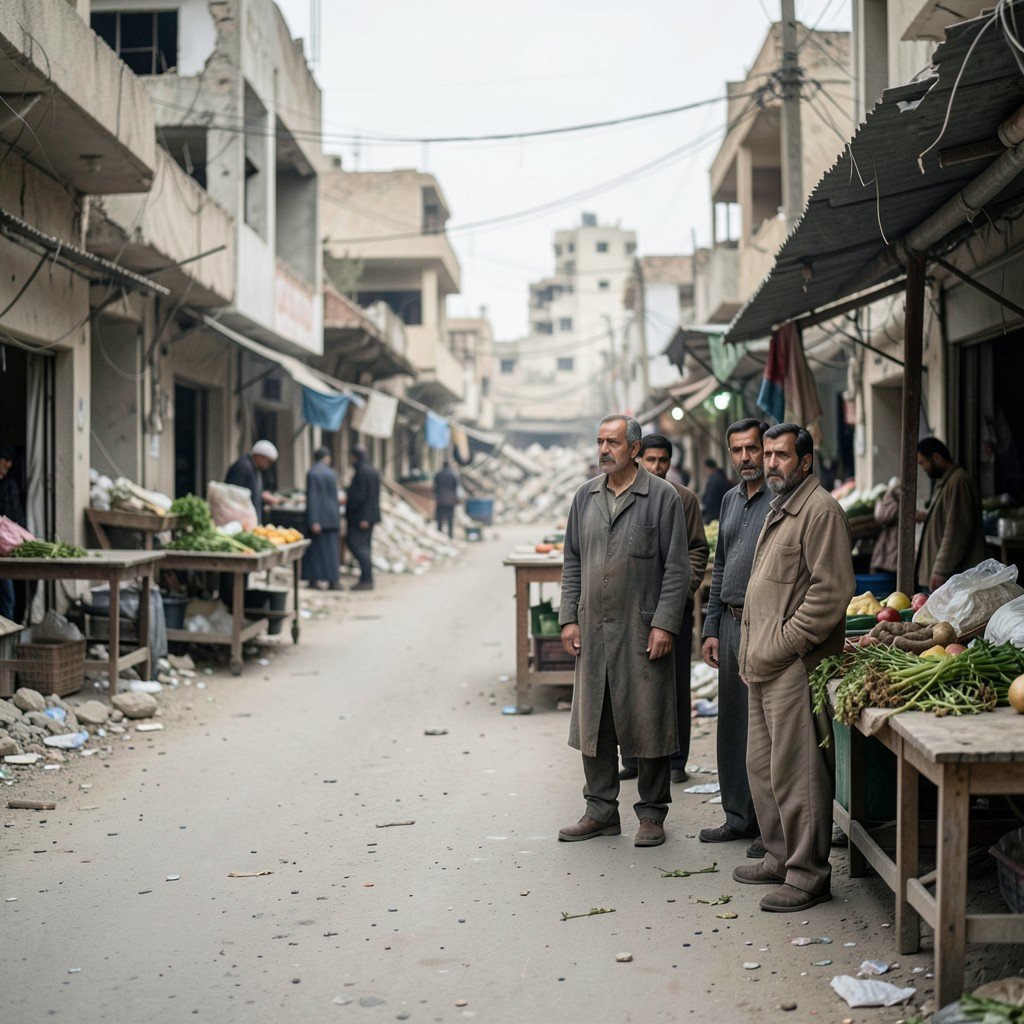
The earthquakes have created a generation of amputees who require ongoing medical care, rehabilitation and prosthetic replacements, often for the rest of their lives. With Venezuela's healthcare system already weakened by years of economic crisis, the gap between what survivors need and what they can afford has become a defining challenge of the recovery.

For many, the financial burden is compounded by the loss of family members, homes and livelihoods, pushing them to rely on private donations and nonprofit organisations to access even basic prosthetic care.

Scale of the Crisis and Funding Gaps

The United Nations Children's Fund (UNICEF) reported in September that it had secured only $29.5 million of the $65.7 million needed to continue earthquake support in Venezuela, a shortfall of 55 percent. The same month, the International Red Cross said its Venezuela response effort was only 39.8 percent funded.

The government says it has compiled a census of amputees but has not released any details publicly. Meanwhile, the Juan Pablo Dos Santos Foundation, a Venezuelan nonprofit that assists amputees, says roughly 200 people were added to its database after the disaster, on top of a pre-existing waiting list of hundreds who could not afford prosthetic limbs.

At Ortoprotecnica, a Caracas workshop that makes prosthetic limbs, director Bianca Damaso said recovery typically requires two to three months of physiotherapy and preparation before a prosthesis can be fitted, with children potentially needing five or six replacements as they grow.

From Rescue to Long-Term Recovery

The twin earthquakes struck on the night of June 24, collapsing dozens of buildings in the state of La Guaira and trapping survivors for hours. Ricardo Contreras waited hours to be rescued, his left leg pinned beneath a fallen door frame, which restricted blood circulation and forced the amputation. His parents both died from suffocation while the family awaited rescue.

Karina Bechara, who lost both legs in the disaster, was trapped in the rubble for 23 hours, immobilised by a piece of heavy furniture that crushed her legs. Before the earthquakes, she ran her own business and trained regularly with high-intensity CrossFit workouts. Now she relies on a wheelchair and hopes to stand on her new prosthetic feet by December 1.

Venezuela's health system was already weakened by years of economic crisis before the earthquakes, according to Ana Rosario, president of the Caracas Nurses Association. Hospitals often have too few nurses for the number of patients and sometimes rely on supplies donated by citizens and organisations.

The Financial and Psychological Toll

The cost of prosthetics remains a major barrier. A below-knee, or transtibial, prosthesis can cost between $3,000 and $5,000, while an above-knee prosthesis ranges from $7,000 to $12,000, according to Juan Pablo Dos Santos, founder of the foundation bearing his name. Artificial limbs with electronic components that react to the body's muscles can stretch into the tens of thousands of dollars.

"Although healthcare is technically free, patients may still have to pay for medicines, medical supplies, tests, transport and rehabilitation," Rosario said. "And these are costs that can continue for months."

Beyond finances, survivors face psychological hurdles. Damaso noted that many patients question whether they will walk again, need a wheelchair, or find a partner who will love them. "Right now, the challenges for them are going to be more than just physical. They're mental battles," she said.

What Lies Ahead

Ricardo Contreras has resumed work at his family's truck parts business and returned to university, where professors moved his lessons to ground-floor classrooms for accessibility. He has also become the legal guardian of his 16-year-old brother Andres, and the pair hope to secure a home through a government housing programme for earthquake victims.

The Juan Pablo Dos Santos Foundation is planning to establish a specialist orthotics and prosthetics centre in Venezuela, which it says is essential for providing ongoing support to amputees. Private donations are currently helping survivors like Ricardo pay for prosthetic limbs and rehabilitation, but with the average private-sector salary in Venezuela just above $200 a month, the long-term affordability of recovery remains uncertain.

MORE LIKE THIS

Comments (0)

Leave a comment

A verified Gmail account is required to post comments.

No comments yet. Be the first to share your thoughts!