
France Protests: The Long History Behind Burning Headlines
news

France Protests: The Long History Behind Burning Headlines

By Editorial Team•Nov 1, 2026 · 10:13 AM•4 min read
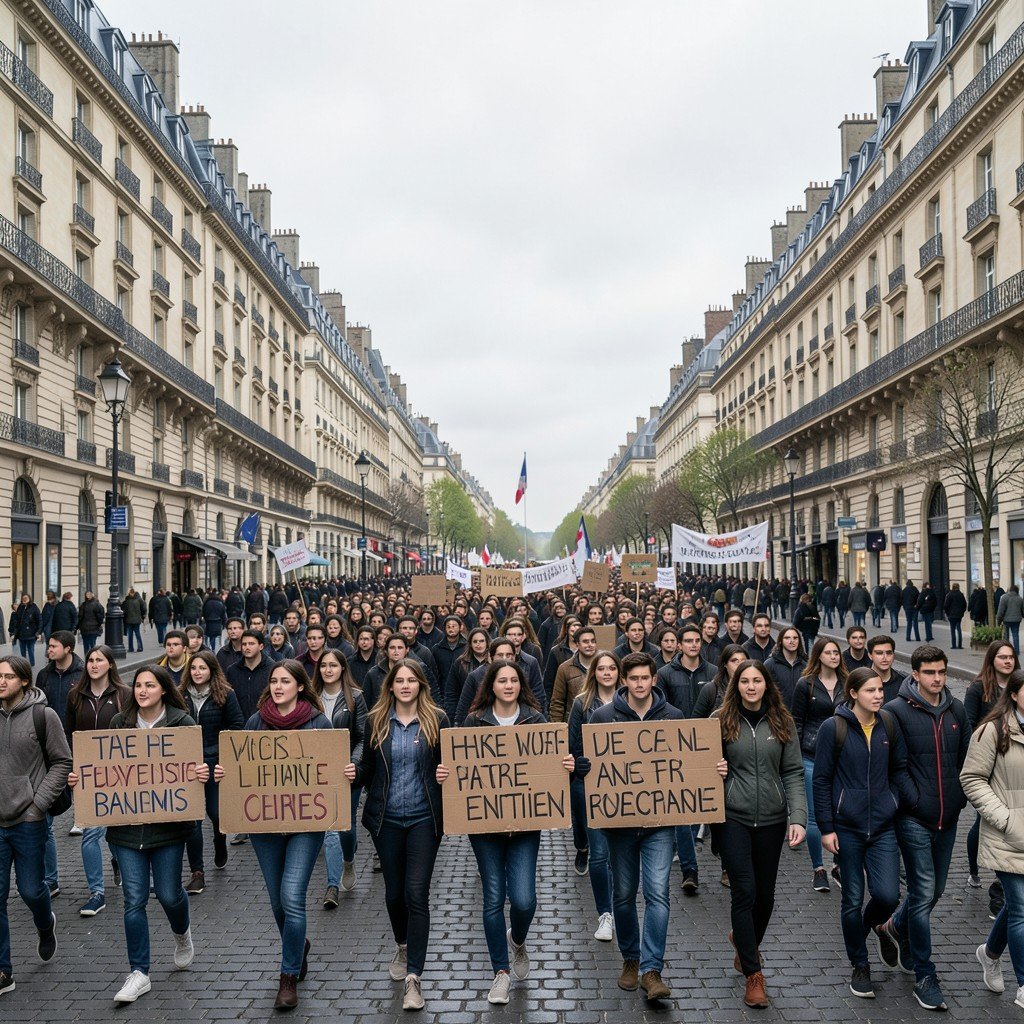
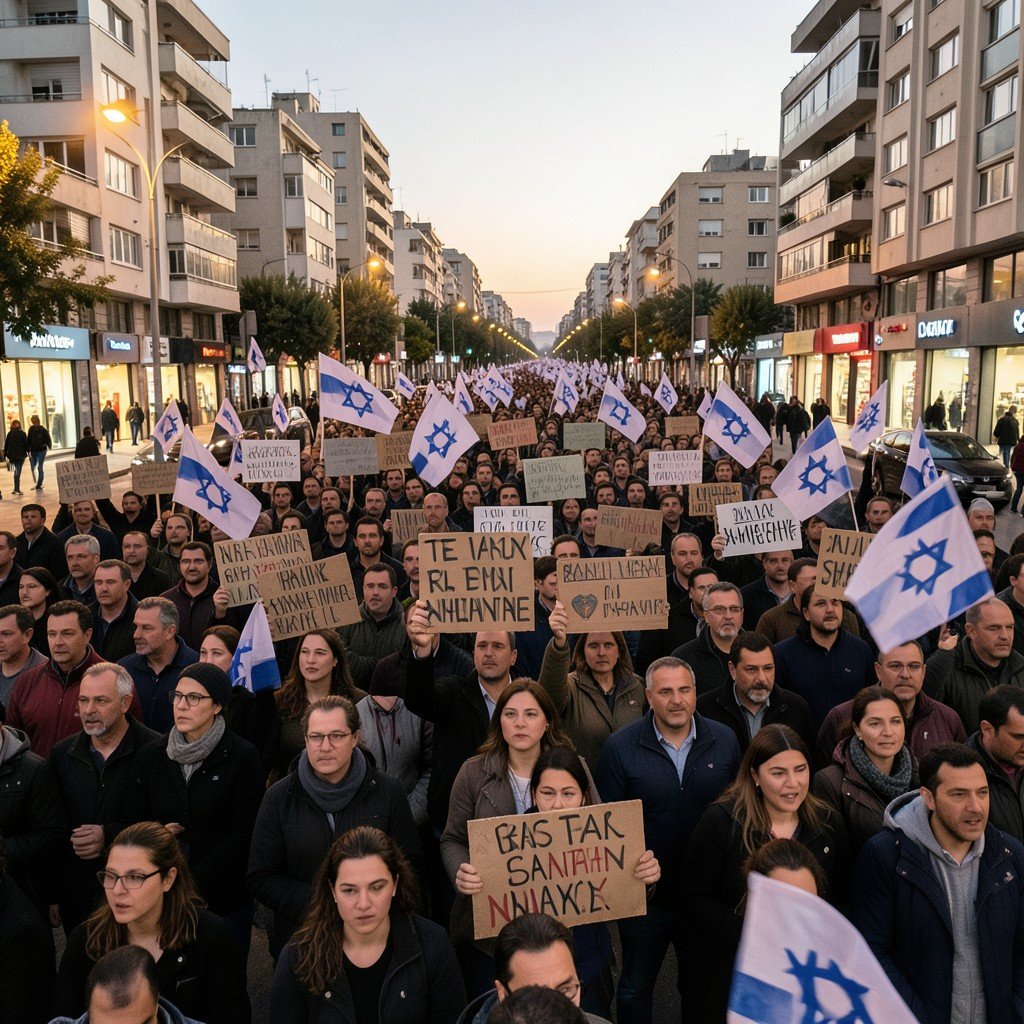
AI-generated representative image: A largely peaceful student protest march along a Paris boulevard, illustrating France's long history of social mobilisation.
Editorial Team
Editorial Team
How international media coverage of a peaceful student movement obscures centuries of French protest and repression

Recent international headlines declaring that "France is burning" have focused heavily on images of burning buildings and damaged shopping streets, but these portrayals misrepresent a student movement that is otherwise largely peaceful and demanding better conditions for education. The dramatic framing, according to historian Ludivine Bantigny, collapses material damage, attacks on people, revolt, and repression into a single undifferentiated category of "violence."

This confusion, Bantigny argues, obscures the structural violence of inequality and the long political and social history in which French protests have repeatedly taken material form over the past two centuries.

The debate matters because how violence is defined shapes how the current student mobilisation is understood by the public and reported by the media. Equating a broken shop window with a police officer injuring a demonstrator, or a car set on fire with shots fired at an unarmed crowd, distorts the balance of responsibility between protesters and the state.

Brazilian archbishop Dom Helder Camara, an advocate of liberation theology, distinguished between three types of violence: the violence of injustice that oppresses, the violence of the revolt it provokes, and the violence of repression. Bantigny adds a fourth form, the violence of inequality, discrimination, social humiliation, and precarious life, noting that a social order can be violent even in its apparent tranquillity.

Core Arguments of the Analysis

The central claim is that popular violence in France is neither new nor uniform, and that spectacular acts are often carried out by a minority and cannot by themselves define mobilisations that are largely peaceful. Material destruction, the analysis contends, frequently constitutes a political language directed at the symbols of a power deemed deaf or unjust.

Bantigny also warns that the practices of demonstrators should not obscure the violence that runs through society. To claim that violence has suddenly erupted in a formerly peaceful France, she concludes, is to misunderstand an essential part of the country's political and social history.
Historical Context of French Protest

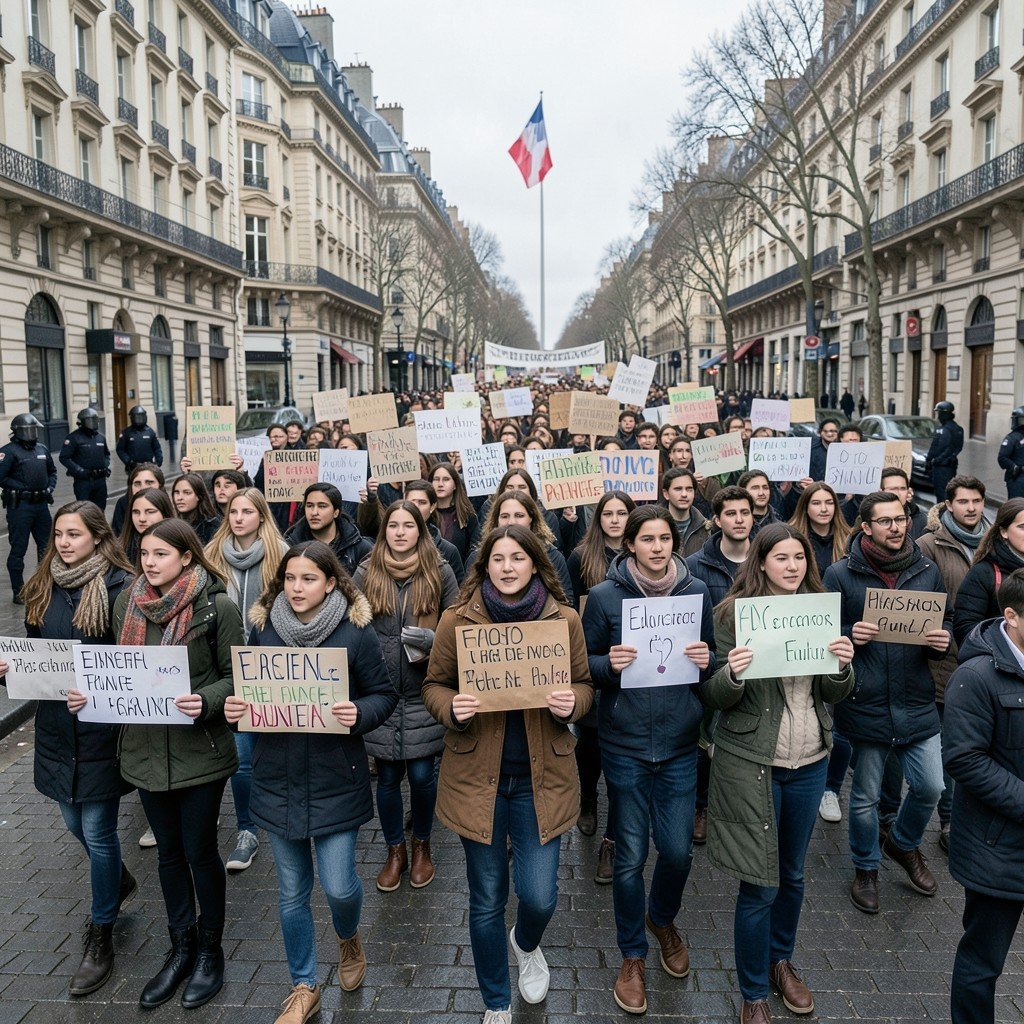
French history offers repeated examples of revolts, the injustices that fuel them, and the repressions that answer them. The storming of the Bastille on July 14, 1789, saw revolutionaries attack the prison as a symbol of monarchical abuse; defenders fired on the assailants, killing about 100 people, and the governor, Bernard-Rene Jourdan de Launay, was killed and his head paraded on a pike. In the following weeks, peasants burned property deeds recording feudal rights.

The 19th century continued this pattern. In February 1831, an anticlerical crowd sacked the archbishop's palace in Paris. In 1871, after France's defeat in the Franco-Prussian War, the Paris Commune was established, and the subsequent "Bloody Week" saw the Versailles army massacre Parisians by the thousands. Labour mobilisation also took violent forms: on January 26, 1886, in Decazeville, engineer Jules Watrin was killed by miners, giving rise to the term "watrinade."

Evidence Across Modern Decades

Modern examples reinforce the pattern. In 1968, student protests over university conditions triggered a society-wide mobilisation involving millions of striking workers, with barricades, torched cars, and Molotov cocktails in the Latin Quarter of Paris. In 1979, steelworkers in Longwy and Denain facing job cuts set vehicles on fire and smashed shop windows. In 2009, employees of the Continental plant in Clairoix ransacked the subprefecture of Compiegne after its closure was announced.

More recent incidents include the 2016 labour law protests, the 2018 "yellow vests" movement in which the Arc de Triomphe was defaced, and unrest following the deaths of Zyed Benna and Bouna Traore in 2005 and Nahel Merzouk in Nanterre in 2023. The analysis notes that the yellow vests movement was also notable for serious injuries inflicted on many protesters by law enforcement.

Current Situation and Implications

The current student movement demanding better education conditions remains largely peaceful despite the violent imagery dominating international coverage. The analysis calls for readers and media outlets to distinguish between the actions of a minority and the broader, peaceful character of the mobilisation.

No new official statements or policy responses are confirmed in the source material, and the historical argument stands as the primary framework for understanding the ongoing events.

MORE LIKE THIS

Comments (0)

Leave a comment

A verified Gmail account is required to post comments.

No comments yet. Be the first to share your thoughts!