
Senate Advances Bipartisan Bill to Speed Up Energy and Data Centres
news

Senate Advances Bipartisan Bill to Speed Up Energy and Data Centres

By Editorial Team•Nov 10, 2026 · 8:11 PM•3 min read
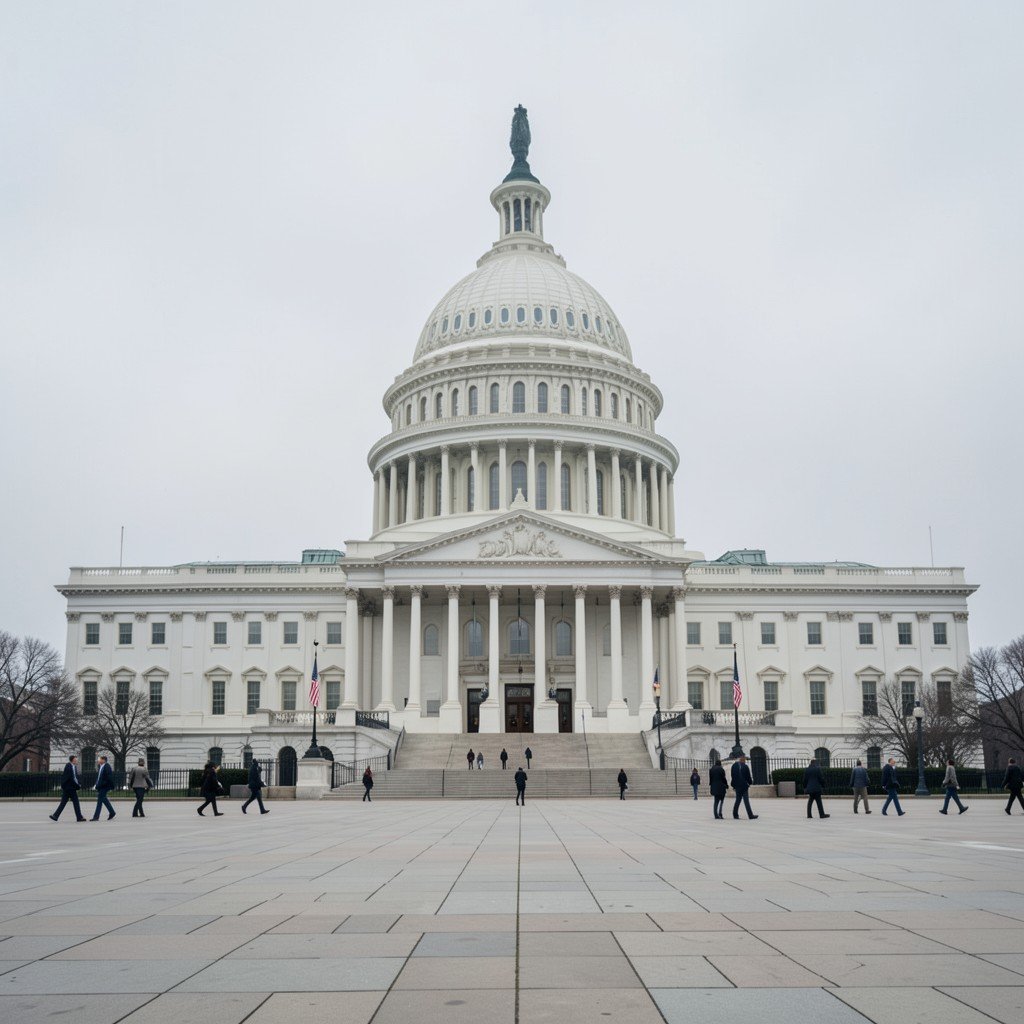
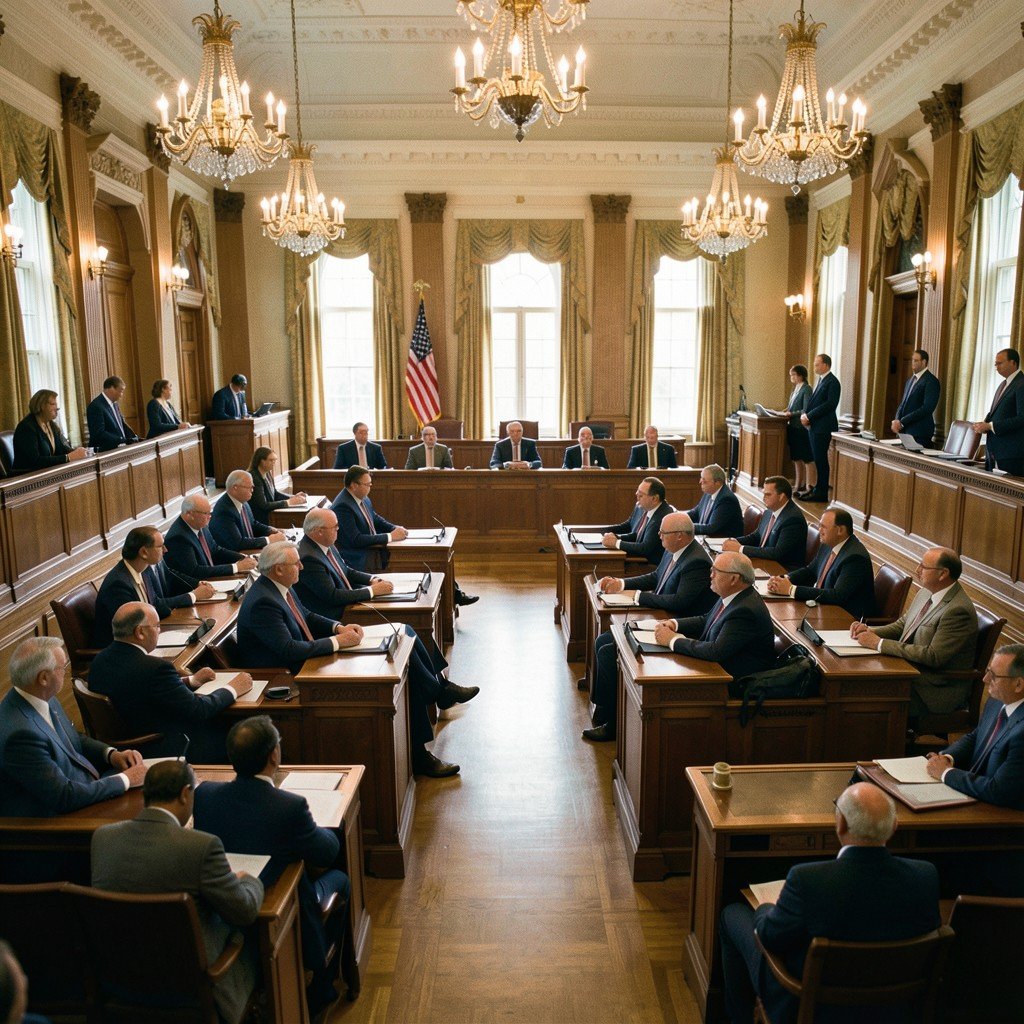
AI-generated representative image. The US Senate chamber is pictured during legislative proceedings on energy and data centre permitting.
Editorial Team
Editorial Team
The American Affordability and Jobs Act moves forward 73-25 as lawmakers debate permitting reform, electricity demand and environmental safeguards.

The United States Senate voted 73-25 on Monday to advance the Bipartisan American Affordability and Jobs Act, a bill that would accelerate the construction of data centres and energy infrastructure nationwide. Nearly all Republicans and more than a dozen Democrats supported taking up the measure, which President Donald Trump and other backers argue is essential to meet the country's growing demand for electricity.

The vote carries major implications for American households, the technology industry and the environment. Rising electricity bills tied to power-hungry data centres that support artificial intelligence have become a flashpoint in US politics, and the legislation's supporters say it would lower costs while its opponents warn it could weaken environmental protections.

What the Legislation Would Do

The bill would overhaul the permitting process for major energy projects across the United States, covering both clean energy and fossil fuel facilities. It would shorten deadlines for environmental reviews and place restrictions on when projects can be challenged in court.

Under the proposal, owners of energy-intensive data centres would be required to pay for the infrastructure needed to power them. Authors of the bill estimate it would deliver $19 billion in savings on residential electricity bills through 2040 and double the number of solar and wind projects connecting to the US electric grid, with data centres paying $55 billion over the next 10 years to cover their power usage.

Political Backdrop and Growing Public Anger

The measure follows last week's midterm elections, in which Democrats took control of the US Congress. Public frustration over rising electricity bills linked to data centres powering artificial intelligence was a significant factor in that outcome.

Democratic Senator Martin Heinrich, the ranking member on the Senate Energy and Natural Resources Committee, said the public had sent a clear message about lowering costs. He added that lawmakers did not need to wait for the new Congress to begin reducing expenses.

However, the Democrats' midterm victory could complicate final passage. Some party members argue the legislation should be shelved until the new Democratic majorities in the House and Senate are sworn in early next year.

Environmental Opposition and Party Divisions

Despite the bill's claims of expanding clean energy, environmental organisations remain opposed. They argue the legislation would lock in fossil fuel development, weaken environmental laws and make it harder for residents to challenge projects in their communities.

In September, a coalition including the Climate Justice Alliance, Indigenous Environmental Network and Western Environmental Law Center issued a joint statement warning the bill would enable a "no-guardrails buildout of dangerous projects" harmful to health and the environment, with particular impact on communities of colour and lower income neighbourhoods already burdened by pollution.

House Minority Leader Hakeem Jeffries, who is on track to become speaker in January, criticised the bill last week, saying it "falls short." His office stated he would not "rubber-stamp legislation that emerges from the Senate" without more constructive involvement from his caucus.

What Happens Next

The Senate has only taken a procedural step to begin debate on the legislation, and final passage remains uncertain. With the new Congress set to be sworn in early next year, the bill's fate could depend on whether Democratic leaders choose to move it forward or wait for their expanded majorities to reshape the measure. No final vote has yet been scheduled.

MORE LIKE THIS

Comments (0)

Leave a comment

A verified Gmail account is required to post comments.

No comments yet. Be the first to share your thoughts!