
Hakeem Jeffries Set to Become First Black US House Speaker
news

Hakeem Jeffries Set to Become First Black US House Speaker

By Editorial Team•Nov 8, 2026 · 3:21 AM•4 min read
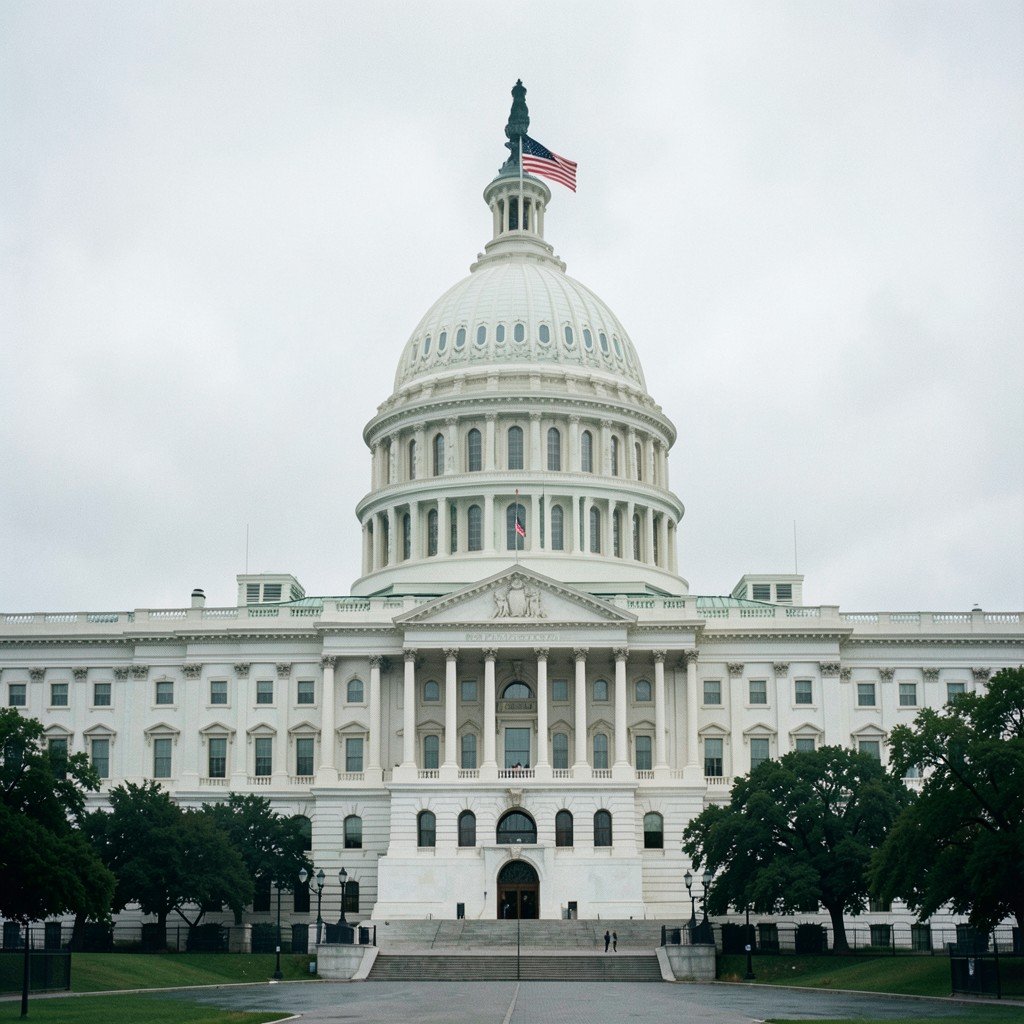
AI-generated representative image: The US Capitol in Washington DC, seat of the House of Representatives.
Editorial Team
Editorial Team
The New York Democrat faces progressive pressure over Israel and Trump as his historic speakership nears

House Minority Leader Hakeem Jeffries of New York is on the verge of becoming the first Black speaker of the US House of Representatives following the Democratic Party's decisive victory in the midterm elections on Tuesday. For the 56-year-old congressman, the role would mark the culmination of nearly two decades in office and place him at the center of Democratic efforts to restrain Republican President Donald Trump during the final two years of his presidency.

The ascension of Jeffries, who would be the first Black politician to hold the speakership, carries historic significance. Yet it also arrives at a moment of deepening internal division within the Democratic Party, as its progressive wing pushes for a more confrontational stance toward Trump and a rethinking of longstanding policies, particularly US support for Israel. How Jeffries navigates these tensions will shape both his speakership and the party's direction.

Rising Pressure Over Leadership

Jeffries appears to have the speakership all but secured, with no serious challenger emerging so far. However, not all Democrats are convinced he is the right leader for the moment.

  • An online petition on Change.org calling on lawmakers to select a different speaker had collected more than 1 million signatures by Saturday afternoon.
  • Several newly elected progressive lawmakers have not yet said whether they will support him.
  • The petition argues the speaker should represent Democratic voters rather than only the party establishment.

Jeffries has spent years cultivating relationships within the Democratic caucus, but he now finds himself at the center of a broader fight as the party's growing progressive wing demands change.
From Brooklyn to Democratic Leader

Jeffries grew up in Crown Heights, Brooklyn, during the 1970s and 1980s, a period when the neighborhood was grappling with the crack cocaine epidemic. The son of two social workers, he became a lawyer, tracing that decision to the 1992 Los Angeles riots that followed the acquittal of four white police officers in the beating of Rodney King.

He worked as a corporate lawyer before entering politics, losing two bids for the New York State Assembly before winning a seat in 2006 and later being elected to Congress in 2012. In Washington, he helped broker a bipartisan criminal justice reform law signed by Trump in 2018 and served as one of seven House impeachment managers during Trump's first impeachment trial in 2020.

Jeffries rose quickly through the ranks, becoming caucus chair in 2019 and then making history in 2022 when he was unanimously chosen to succeed former Speaker Nancy Pelosi as the party's House leader, becoming the first Black politician to lead a party in either chamber of Congress.

Israel Stance and Party Divisions

The sharpest divide between Jeffries and his party's progressive wing centers on his longstanding support for Israel and his ties to the American Israel Public Affairs Committee (AIPAC). At an AIPAC conference in 2020, he opposed placing conditions on US aid to Israel and described Jerusalem as New York City's sixth borough. He has also been among the top recipients of financial support from AIPAC and its donor network.

His support for Israel throughout its war on Gaza has put him increasingly at odds with members of his own party. In July, even as he voted against an amendment that would have cut $3.3 billion in annual military aid to Israel, he acknowledged the need for a reset in US-Israel relations. "A meaningful change in direction is needed," he wrote in a letter to colleagues.

Ahead of the election, Axios reported that some incoming progressive lawmakers, informally known as The Bloc and including Claire Valdez and Darializa Avila Chevalier of New York and Melat Kiros of Colorado, planned to use the speaker vote to win concessions on issues such as Medicare for All, cutting funding for ICE, and weapons shipments to Israel.

What Lies Ahead

With Democrats now holding a comfortable majority, Jeffries is less dependent on progressive newcomers to secure the speakership, which could weaken their leverage. At the same time, the result makes it harder for him to argue that Republican control of Congress has been hindering the party's ability to advance its agenda and hold Trump accountable.

Jeffries has also faced criticism after reports emerged in August that he privately met Trump's son-in-law Jared Kushner, a meeting Jeffries said Kushner requested and which he used to discuss the affordability crisis. As he prepares to take on the speaker's role, the larger test will be whether he can unite a divided party while addressing voter demands on issues ranging from the cost of living to foreign policy.

MORE LIKE THIS

Comments (0)

Leave a comment

A verified Gmail account is required to post comments.

No comments yet. Be the first to share your thoughts!