
Bangladesh Garment Workers Protest Minimum Wage Proposal
news

Bangladesh Garment Workers Protest Minimum Wage Proposal

By Editorial Team•Nov 25, 2026 · 8:17 PM•3 min read
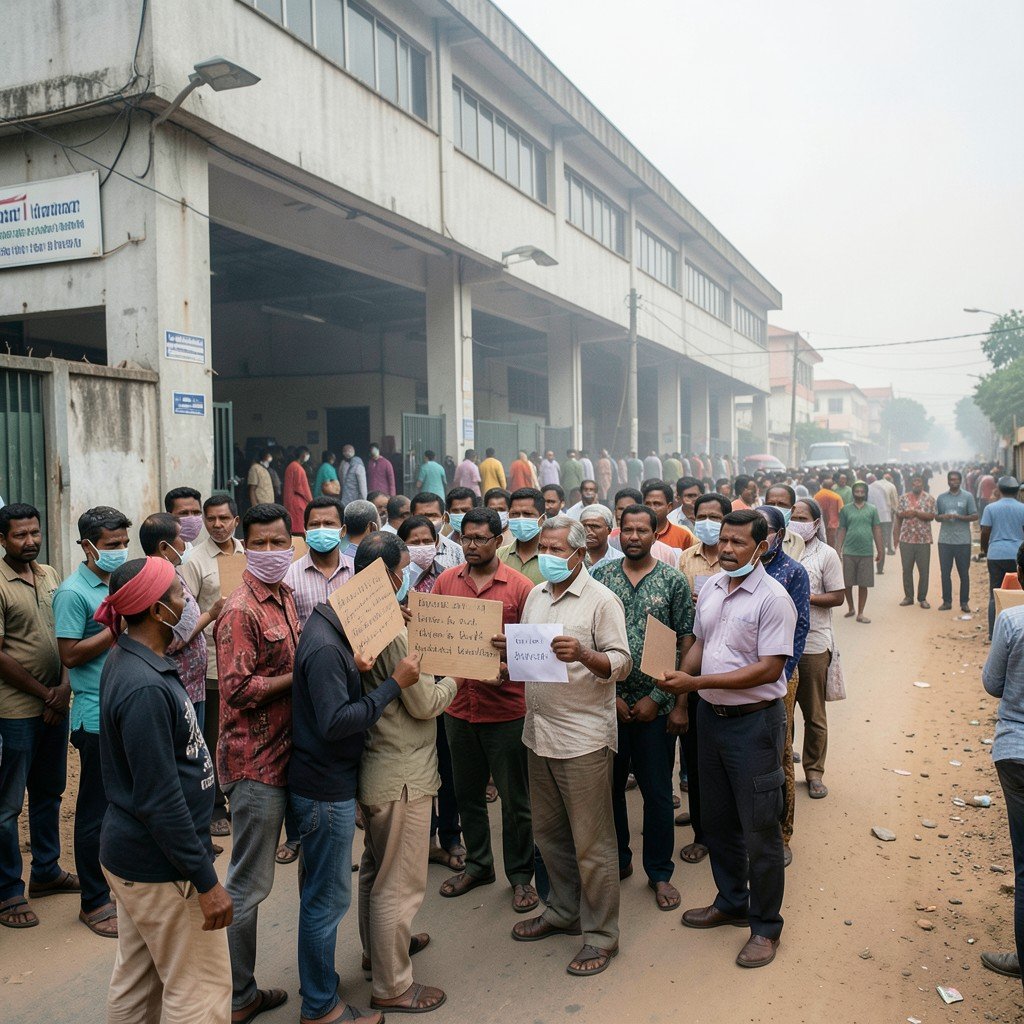
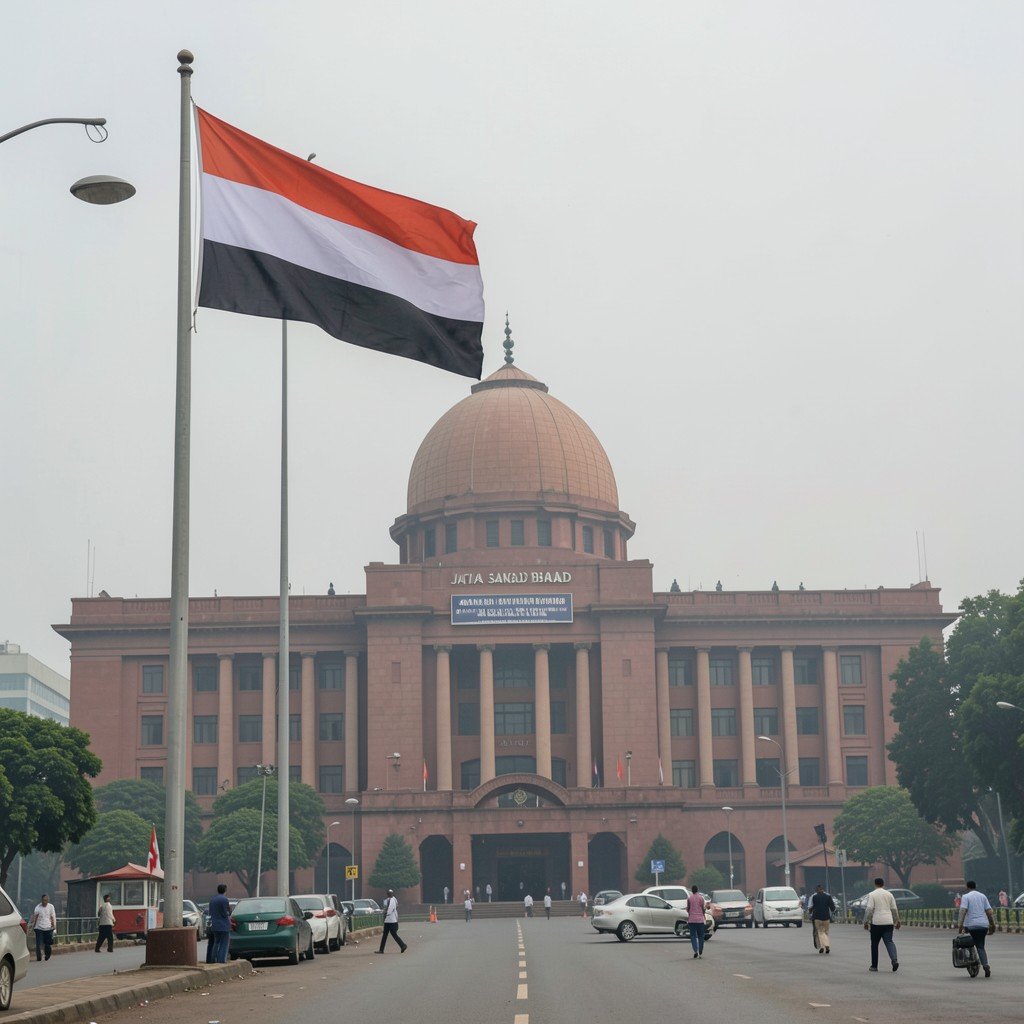
AI-generated representative image: Garment workers in Bangladesh gather outside a factory to protest a proposed minimum wage they say is too low.
Editorial Team
Editorial Team
Clashes with police and factory vandalism erupt as a 36% wage increase fails to meet demands amid soaring inflation

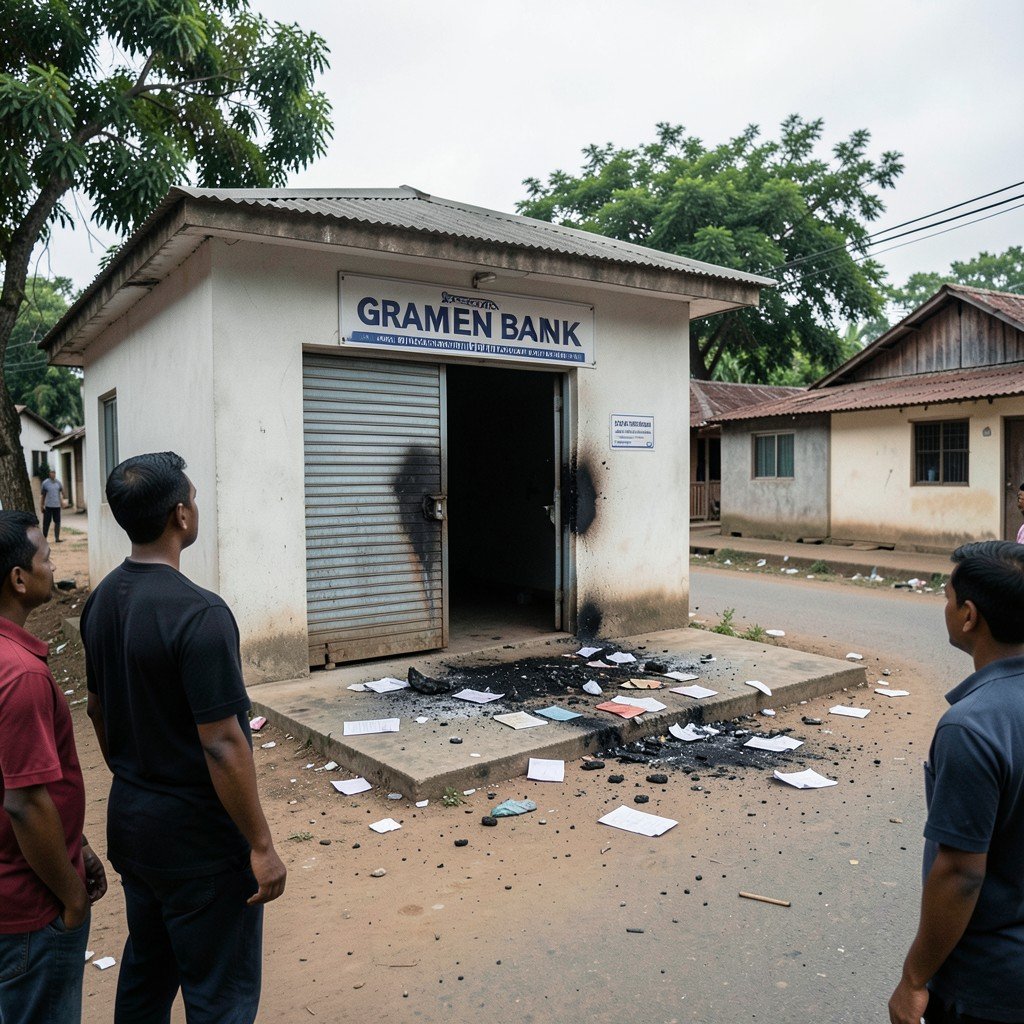
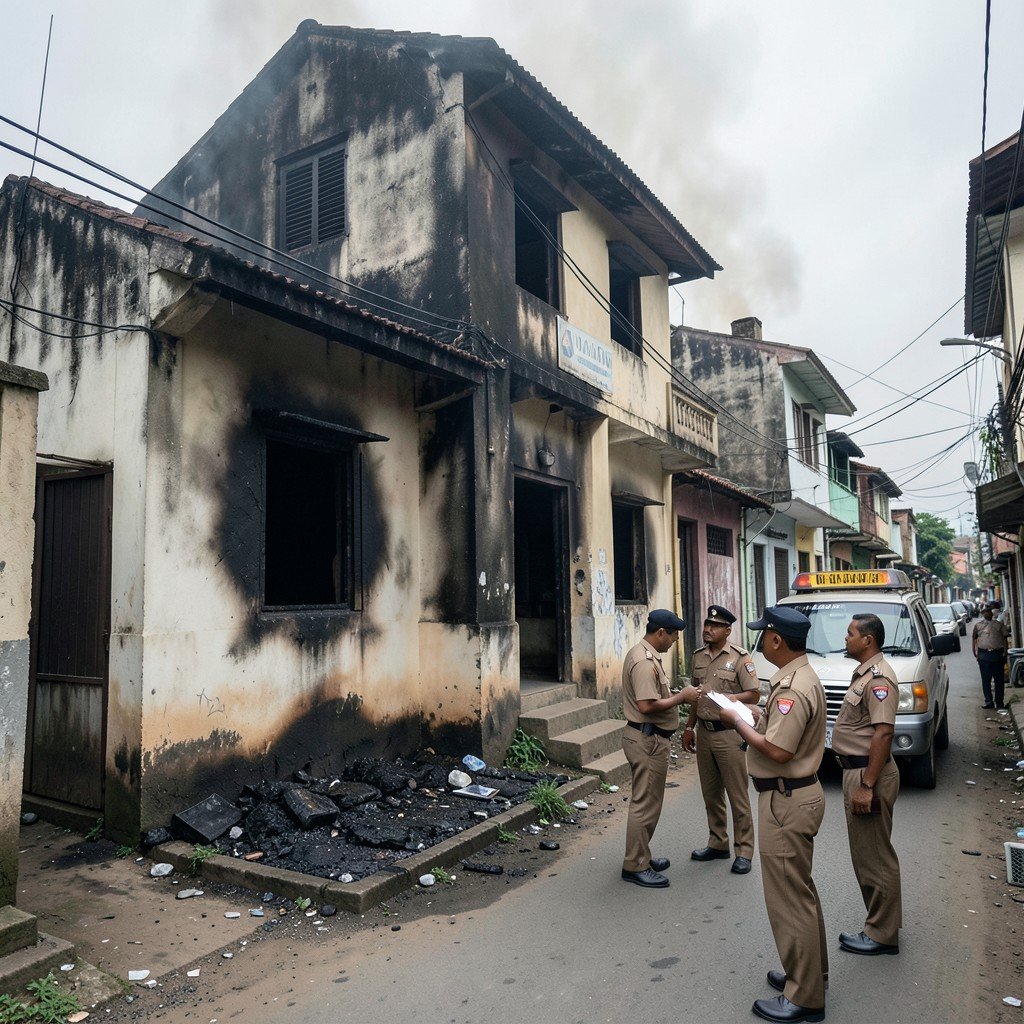
Garment workers in Bangladesh blocked highways, vandalized factories, and clashed with police on Wednesday after a proposed new minimum wage structure fell short of their expectations. The government's announced monthly minimum wage of 17,000 taka ($136), a 36% rise from current levels, failed to satisfy workers who are demanding more than double that amount at 30,000 taka ($241).

The unrest threatens Bangladesh's most important export sector, which employs 4 million workers and generates 80% of the country's export revenues. The dispute carries global implications because the industry supplies major retailers including H&M, Zara, Walmart, Target, and Gap, making any disruption to production a concern for international supply chains.

Key Developments

The proposed wage hike is expected to take effect on December 1. A section of workers has accepted the increase, according to the Business Standard newspaper, while others argue it is insufficient to cover rising living costs.

Earlier this month, clashes between protesting workers and police led to the closure of more than 500 factories and affected a million jobs, raising concerns about shipment disruptions to foreign buyers. The government subsequently announced the formation of a wage board for garment workers.
Background and Industry Importance

Bangladesh is the world's second-largest garment exporter behind China. The industry contributes around 10% to the country's GDP. The European Union is Bangladesh's largest export market, accounting for nearly half of its shipments, while the United States is the single largest individual buyer, representing roughly a fifth of exports.

The sector's first minimum wage was set in 1986, with the most recent raise occurring in 2023. The current proposed increase is the lowest percentage hike in the sector's history. Workers have cited inflationary pressures, including rising food, housing, and transport costs, as the reason they require a more substantial raise. Bangladesh's annual inflation rate eased slightly to 8.27% in October from 8.34% in September, which had been its highest level since June.

Economic Pressures on the Sector

The industry is grappling with rising costs and weak global demand. The Bangladesh Garment Manufacturers and Exporters Association estimates that international buyers have reallocated orders worth roughly $254 million to other countries over concerns about delays. Employers argue that higher wages would further erode the sector's cost competitiveness.

What Lies Ahead

The proposed wage increase is scheduled to take effect on December 1, but divisions among workers remain unresolved. While some have accepted the new structure, others continue to reject it as inadequate. Further developments regarding the wage board's decisions and any additional official announcements remain to be confirmed.

MORE LIKE THIS

Comments (0)

Leave a comment

A verified Gmail account is required to post comments.

No comments yet. Be the first to share your thoughts!