
Italy Bans Burqas and Niqabs in Schools, Caps Foreign Students at 30%
news

Italy Bans Burqas and Niqabs in Schools, Caps Foreign Students at 30%

By Editorial Team•Sep 25, 2026 · 5:07 AM•3 min read
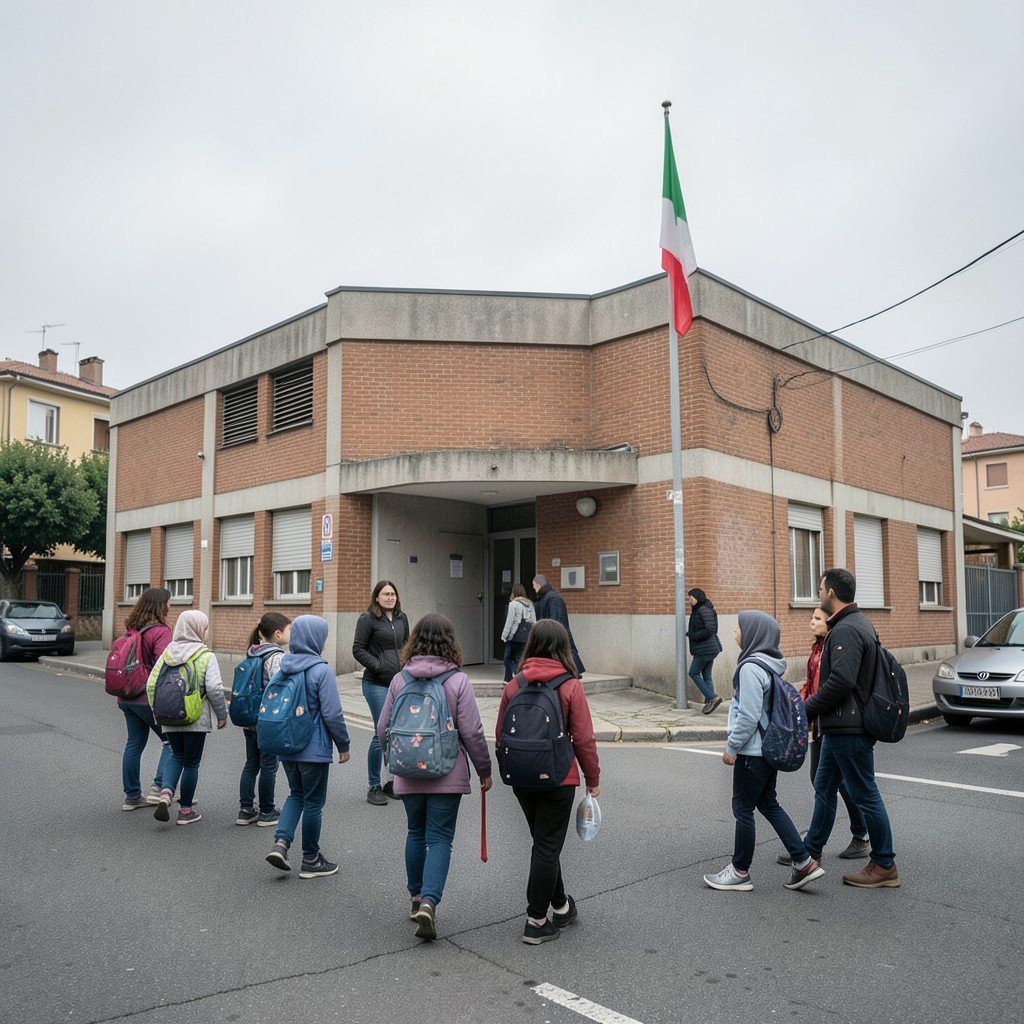
AI-generated representative image: Italian schoolchildren arrive at a public school, illustrating debate over new classroom integration rules.
Editorial Team
Editorial Team
Meloni government decree-law imposes fines up to 1,000 euros and limits non-Italian speakers in classrooms starting next year.

Italy's government has adopted a decree-law banning burqas and niqabs in schools and capping non-Italian-speaking students at 30 percent per classroom, with fines of up to 1,000 euros ($1,140) for non-compliance. Prime Minister Giorgia Meloni's cabinet approved the measure on Thursday, three days after she announced the proposals at a gathering of the youth wing of her nationalist conservative Brothers of Italy (FdI) party.

The move makes Italy one of the first European countries to impose a legal limit on the proportion of foreign-language students in individual classrooms, while also criminalising face coverings in educational settings. The policy touches on deeply contested questions of integration, immigration and religious expression, and arrives as Meloni faces pressure from the far-right ahead of next year's elections.

What the Decree-Law Does

The decree-law makes the wearing of burqas and niqabs in schools illegal and introduces a 30-percent cap on non-Italian speakers in classrooms starting next year. Violations carry a fine of up to 1,000 euros ($1,140).

Because the measure is a decree-law, it can take effect immediately, but it must be ratified by parliament within 60 days. President Sergio Mattarella, who must also sign off on the measure, indicated this week that he was wary of any barriers being placed on education.

Education Minister Giuseppe Valditara said local school authorities would coordinate student placements to avoid concentrations of non-Italian-speaking pupils. Schools unable to comply would be eligible for exemptions and additional language-support funding.
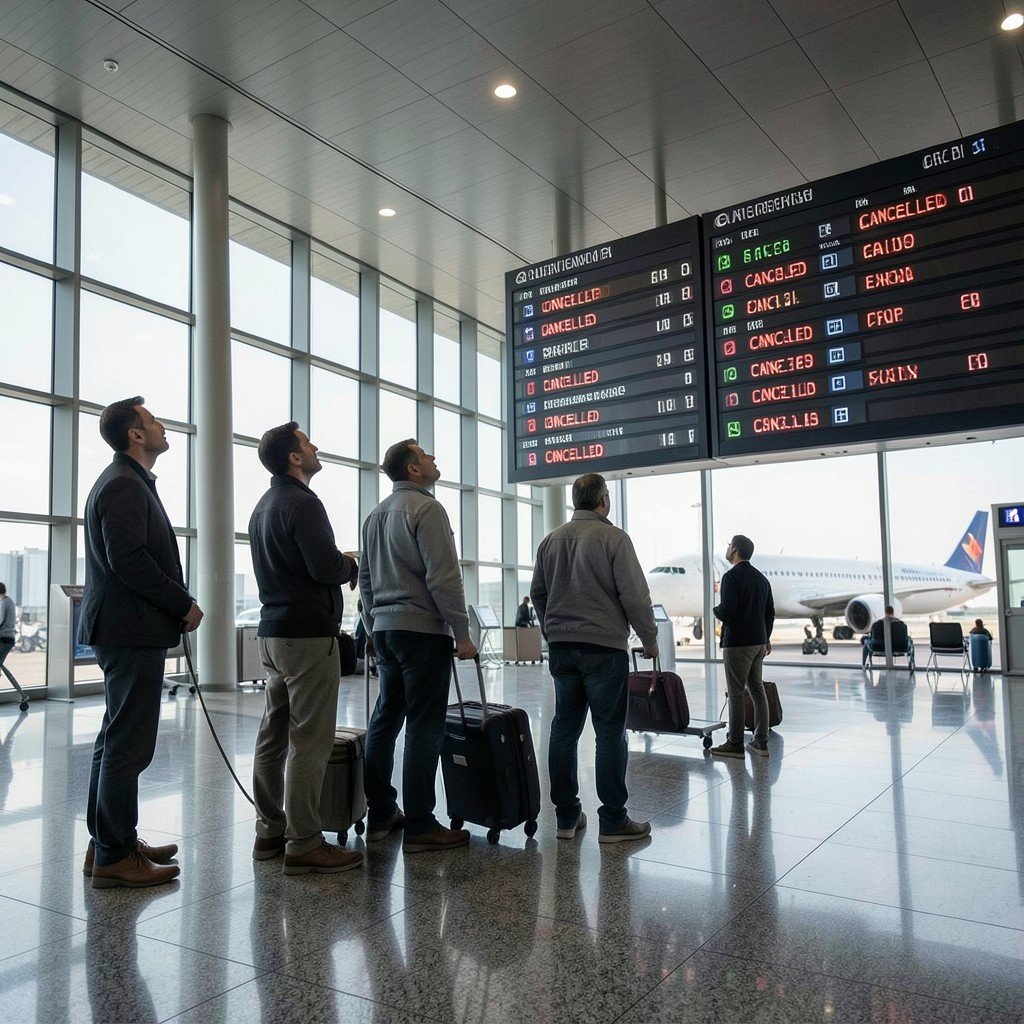
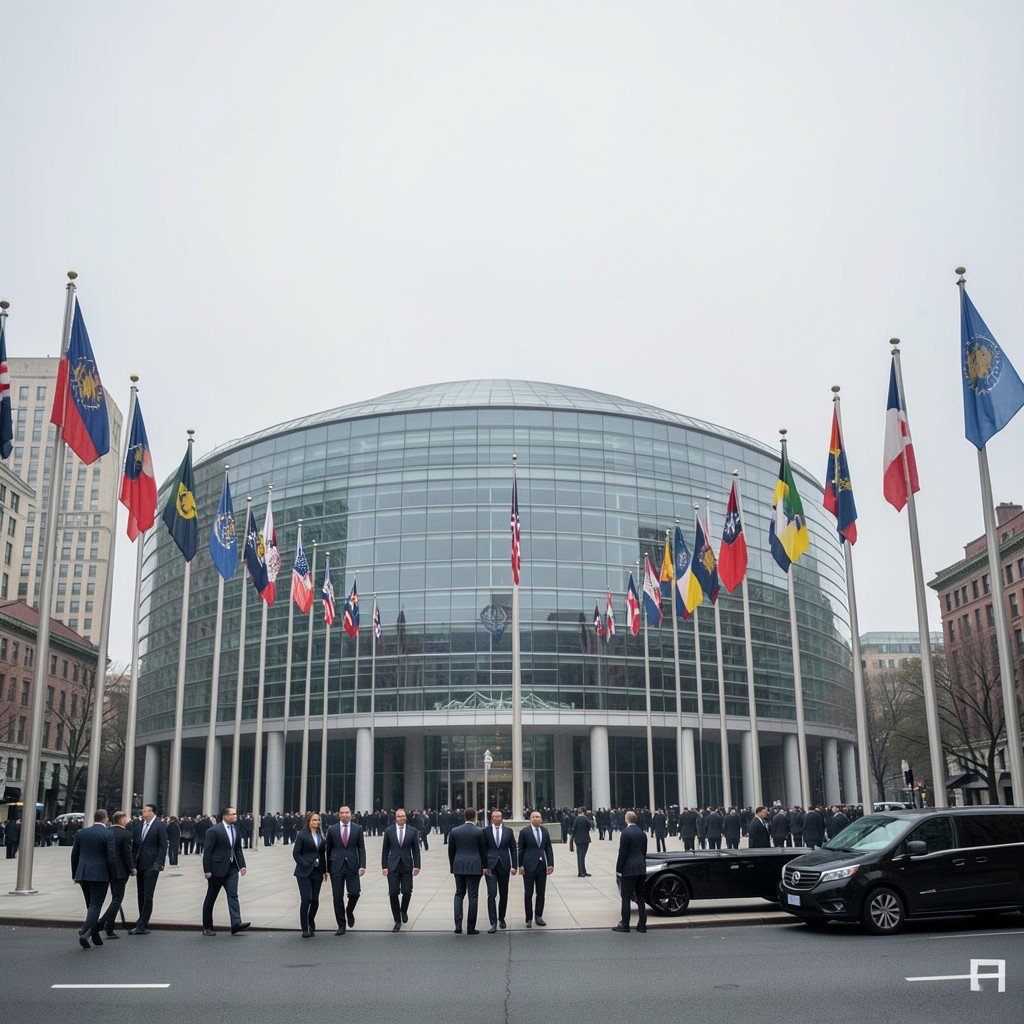
Political and Historical Context

Meloni framed the changes as a matter of integration and common sense, writing on her X account that the "tools" to learn Italian and "stop" burqas and niqabs in schools were "common sense that do not divide." She added: "This is the direction we want to continue to follow: a school that integrates without giving up on rules, that supports those who have more difficulties and that puts everyone in a position to start from the same point."

Opponents said the government was using the rules to counter the growing appeal of the far-right National Future (FN) party, led by former army general Roberto Vannacci, ahead of next year's elections. FN, which has made schools a central battleground in its campaign advocating "remigration," called for a crackdown on burqas in schools in July.

Reaction and Statistical Evidence

Opposition politicians accused Meloni of prioritising culture-war politics over the interests of students and schools. "It is a shameful decree that seeks to hide the government's inability to address the real problems of the public school system behind a new ideological banner," said Elly Schlein, leader of the centre-left Democratic Party.

Teachers' unions criticised what they called a lack of both consultation and resources, while school principals questioned how the measure could work in areas with large migrant populations. "From an educational perspective, the issue is well-founded and valid, but it's difficult to turn it into a practical solution," said Antonello Giannelli, president of the National Association of Principals.

According to Education Ministry data, non-citizen students accounted for 11.2 percent of Italy's school population in the 2022-23 academic year, while classes with more than 30 percent foreign students represented 7.6 percent of the total. Valditara said the measure would affect about 1,000 classrooms, or roughly 0.3 percent of the nationwide total.

What Happens Next

The decree-law is now in effect but must be ratified by parliament within 60 days and signed by President Mattarella, who has expressed reservations about placing barriers on education. Full implementation of the classroom cap is scheduled to begin next year, with exemptions and language-support funding available for schools that cannot comply.

MORE LIKE THIS

Comments (0)

Leave a comment

A verified Gmail account is required to post comments.

No comments yet. Be the first to share your thoughts!