
Houthis Push Into Kahboub Mountains to Secure Red Sea Coastline
news

Houthis Push Into Kahboub Mountains to Secure Red Sea Coastline

By Editorial TeamSep 22, 2026 · 7:03 PM4 min read
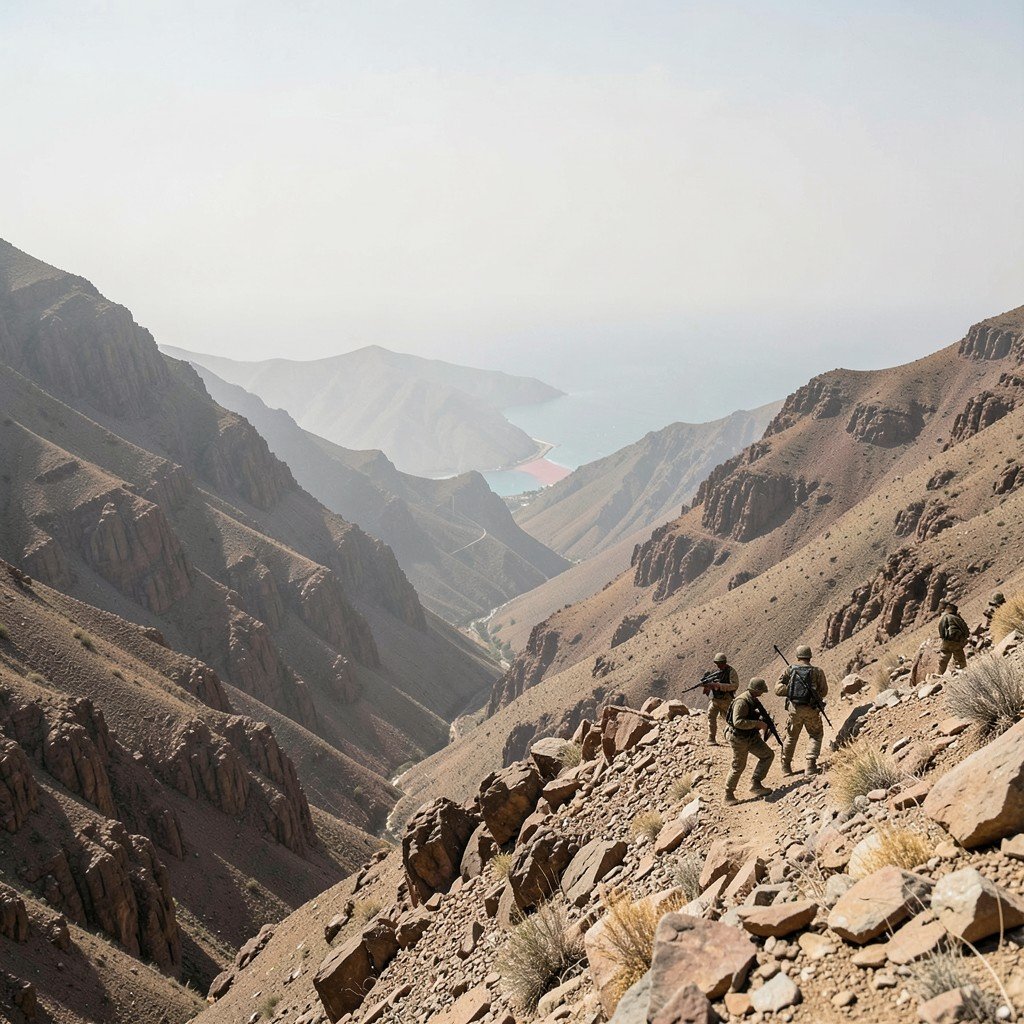
AI-generated representative image: rugged mountainous terrain near Yemen's Red Sea coast, illustrating the reported fighting in the Kahboub highlands.
Editorial Team
Editorial Team
Control of the highlands near the Bab al-Mandeb strait would give the group defensive depth and pressure Taiz

The Houthis are attempting to advance into the Kahboub Mountains after seizing much of Yemen's Red Sea coast in a lightning offensive this month, an advance experts say could dramatically shift the balance of power in the country's war if successful.

The fighting, which has moved into rugged highlands overlooking the approaches to the Bab al-Mandeb strait, has ended the relative calm that had largely held since 2022 and pits the group against forces aligned with Yemen's Saudi-backed, internationally recognised government.

The outcome of the battle carries significance far beyond the immediate front lines. Bab al-Mandeb, which connects the Indian Ocean to the Red Sea and the Suez Canal, is one of the world's most important shipping routes, with a significant share of global maritime trade and millions of barrels of oil passing through each day.

Its strategic importance is growing as shipping through the Strait of Hormuz remains disrupted by the Houthis' main ally, Iran, making control of the surrounding terrain a central factor in the regional security equation.

The Strategic Value of the Kahboub Mountains

Kahboub, a mountainous region spanning parts of the Lahj and Taiz governorates in southern Yemen, derives much of its importance from its proximity to Bab al-Mandeb. Some of its heights lie about 40km (25 miles) from the waterway, providing commanding views across a stretch of the Red Sea.

Experts said the mountains are unlikely to serve directly as a launchpad for attacks in the Red Sea. Their more immediate value lies in securing territory the Houthis have already captured, providing defensive depth and cover for positions closer to the coast and making missile and drone operations easier to sustain and harder to disrupt.

The battle is already proving slower than the group's rapid advance across the coastal plains. Footage circulated on X by the Taiz Military Axis Command's media centre appears to show intense fighting between government-aligned forces, local fighters and the Houthis on mountain fronts, though the footage could not be independently verified.
Background and the Significance of Taiz

Control of Kahboub could place greater pressure on Taiz, a symbolically and strategically important city. The Taiz governorate forms a bridge between the Houthi-held north, the government-held south and the Red Sea coast, and whoever controls it gains the upper hand in the movement of weapons and supplies between the interior and the southern port city of Aden.

One of Yemen's largest population centres, Taiz became an important centre of resistance to the Houthis after they seized Sanaa in 2014 and was besieged by the group for years. A major Houthi breakthrough there would carry symbolic significance far beyond the territory captured.

Analysts cautioned that taking Kahboub should not yet be seen as evidence of a broader attempt to encircle the city. The immediate threat to the Taiz-Aden connection is less direct because Kahboub does not sit across the route. What matters, they said, is whether the Houthis can subsequently push farther east through Al-Wazi'iyah and towards the Al-Turbah-Lahj axis.

Analyst Assessments and Official Statements

Faozi Al-Goidi, a visiting fellow at the Middle East Council on Global Affairs, described the mountains as "the natural wall that protects the Houthis' rear on the coast," adding that controlling them would cut the coast off from the government-held south and place direct pressure on Lahj and, in the longer term, Aden.

Ewa K Strzelecka, a visiting senior fellow at the London School of Economics, said holding the coastline, Mayyun Island and the adjacent highlands together would give the Houthis "strategic resilience" and a "much deeper and more defensible position around one of the world's principal maritime chokepoints."

Andreas Krieg, a senior lecturer at the School of Security Studies at King's College London, said the high ground would let the Houthis monitor movements along the coast and around Mayyun Island while protecting missile, drone and potentially unmanned-boat infrastructure positioned farther inland. Mohammed al-Basha, a former spokesperson for Yemen's embassy in Washington, described the fighting as taking place across "some of Yemen's most unforgiving terrain."

What Lies Ahead

The Houthis have said their current restrictions in Bab al-Mandeb would apply only to Saudi-linked shipping and that they do not intend to target United States shipping. However, during their previous Red Sea campaign the group struck or endangered ships with no clear connection to its stated targets, raising questions about how narrowly any new restrictions would be applied.

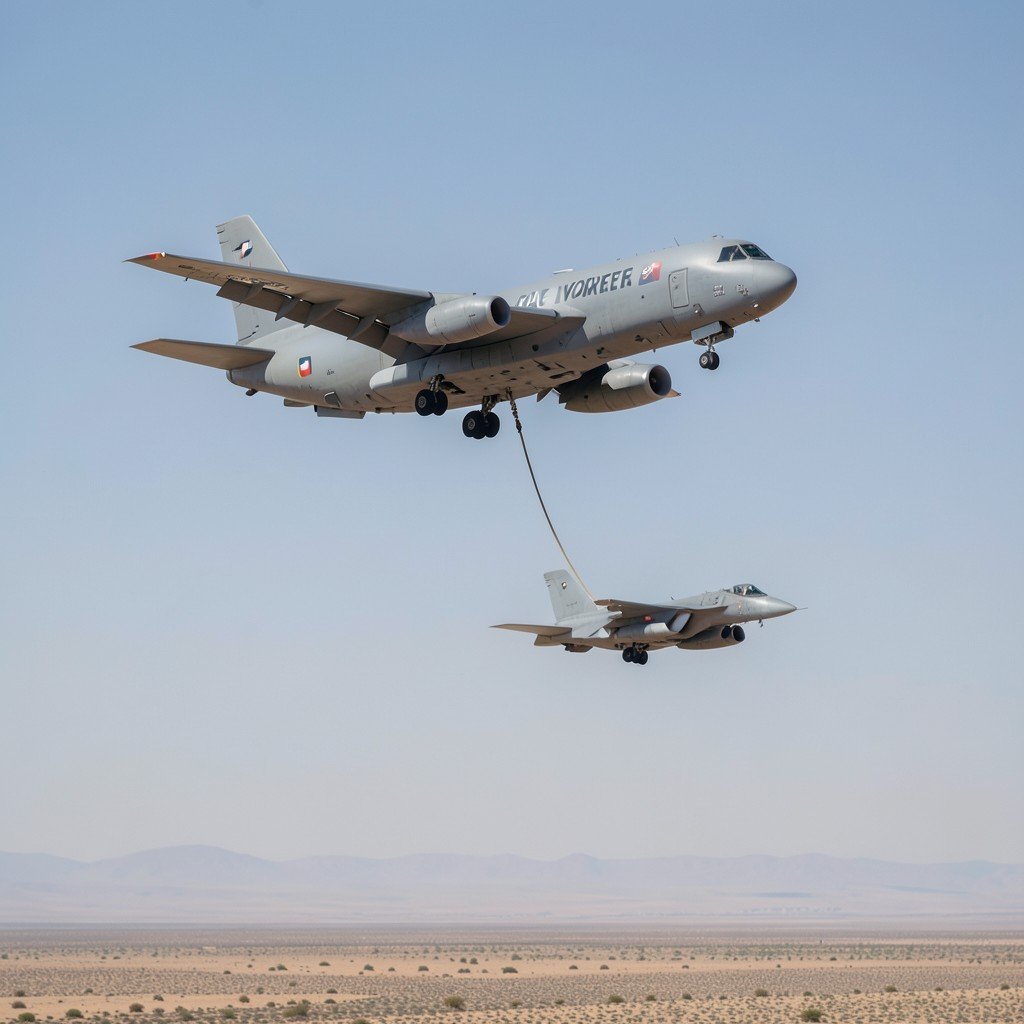
The advance has taken on added urgency after The New York Times reported that US President Donald Trump came close to ordering air attacks against the Houthis on Sunday, only to call them off at the last minute. Britain has said it will support Saudi Arabia with defensive refuelling. Further developments on the mountain fronts remain to be confirmed.

MORE LIKE THIS

Comments (0)

Leave a comment

A verified Gmail account is required to post comments.

No comments yet. Be the first to share your thoughts!