
Iraq Oil Export Routes Beyond Hormuz: PM Visits Lebanon
business

Iraq Oil Export Routes Beyond Hormuz: PM Visits Lebanon

By Editorial Team•Nov 18, 2026 · 11:04 AM•3 min read
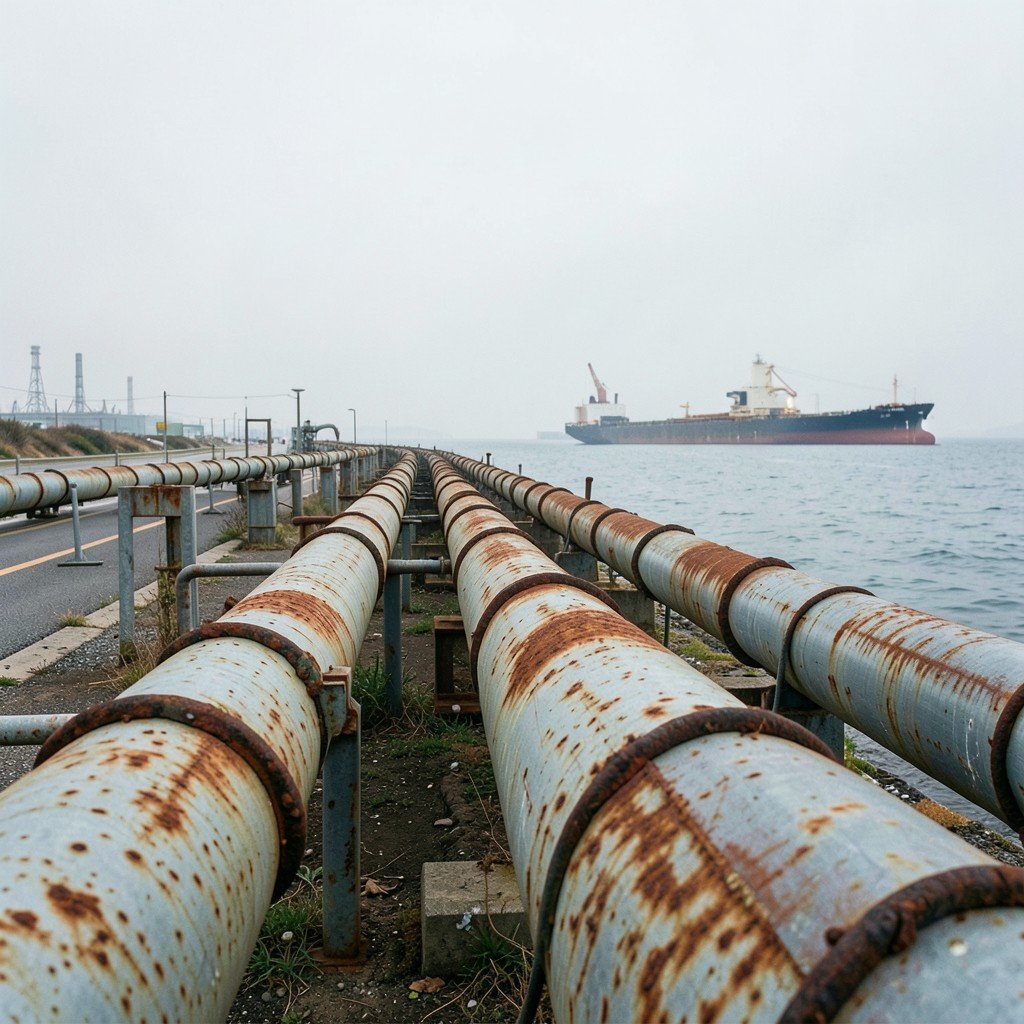
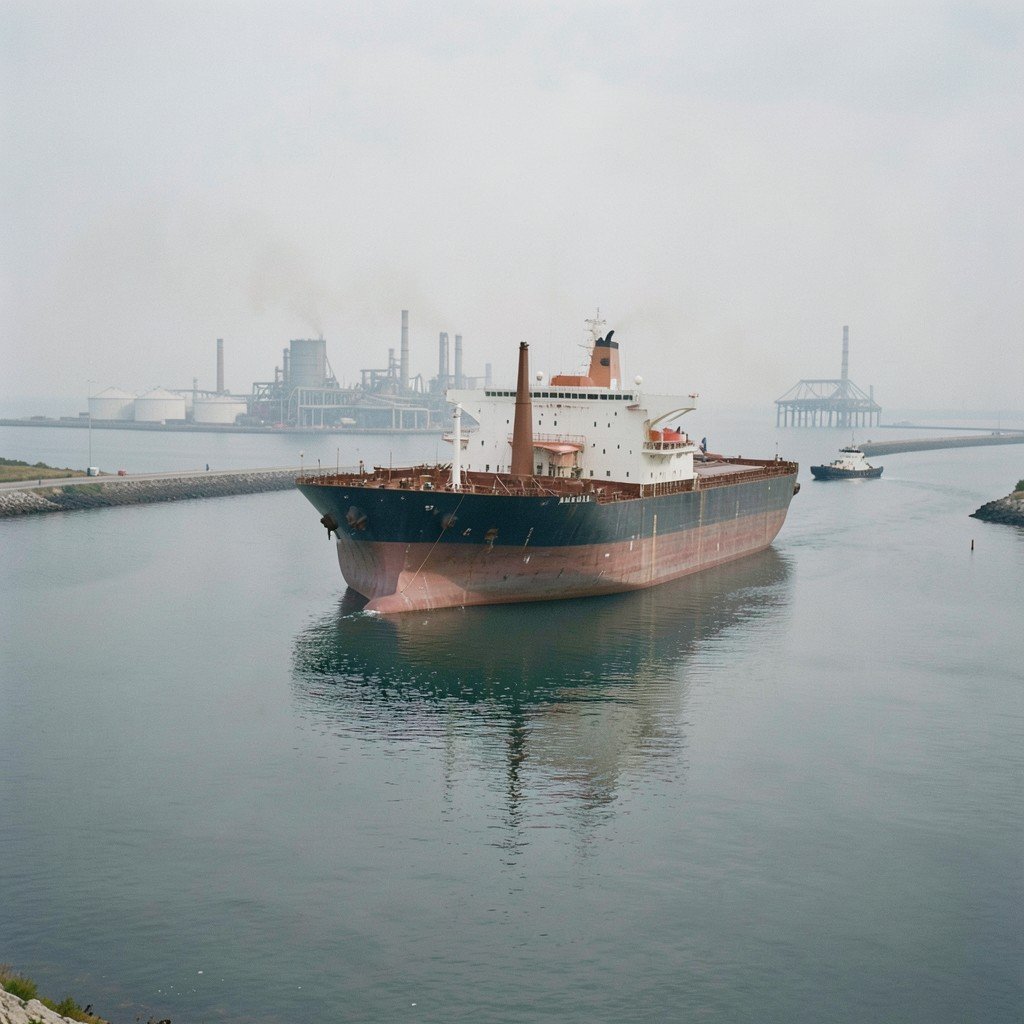
AI-generated representative image: Aging oil pipeline and storage infrastructure at a Mediterranean port, reflecting regional plans to revive legacy Kirkuk-to-T
Editorial Team
Editorial Team
Beirut talks center on a revived Kirkuk to Tripoli pipeline as Baghdad seeks energy export alternatives.

Iraq's Prime Minister Ali al-Zaidi is visiting Beirut on Wednesday for high-level talks aimed at strengthening economic cooperation and advancing plans to diversify Iraq's oil export routes beyond the disrupted Strait of Hormuz. He is scheduled to meet Lebanese President Joseph Aoun, Prime Minister Nawaf Salam and Parliament Speaker Nabih Berri.

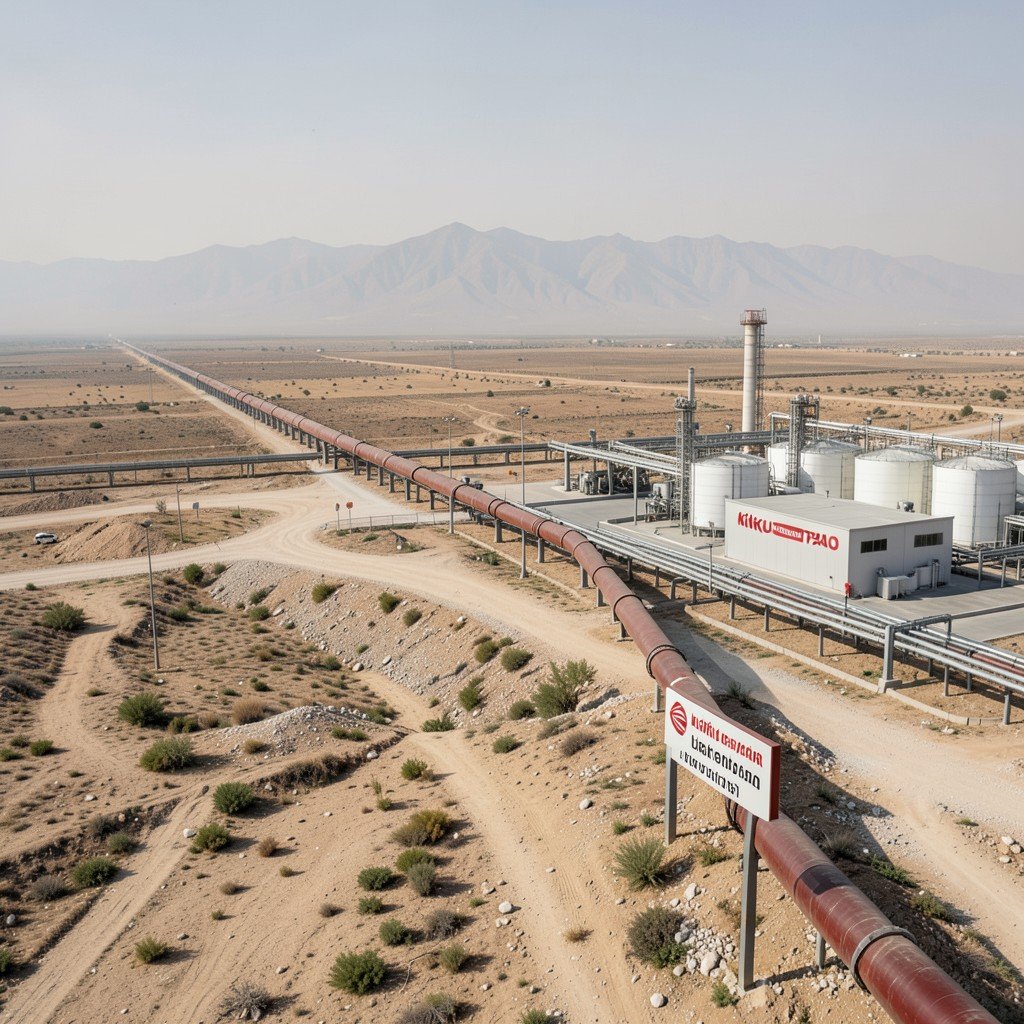
The agenda includes bilateral trade, customs exemptions, security coordination, countering drug trafficking and a proposed pipeline linking Kirkuk in Iraq to Tripoli in northern Lebanon via Syria's Mediterranean port of Baniyas.

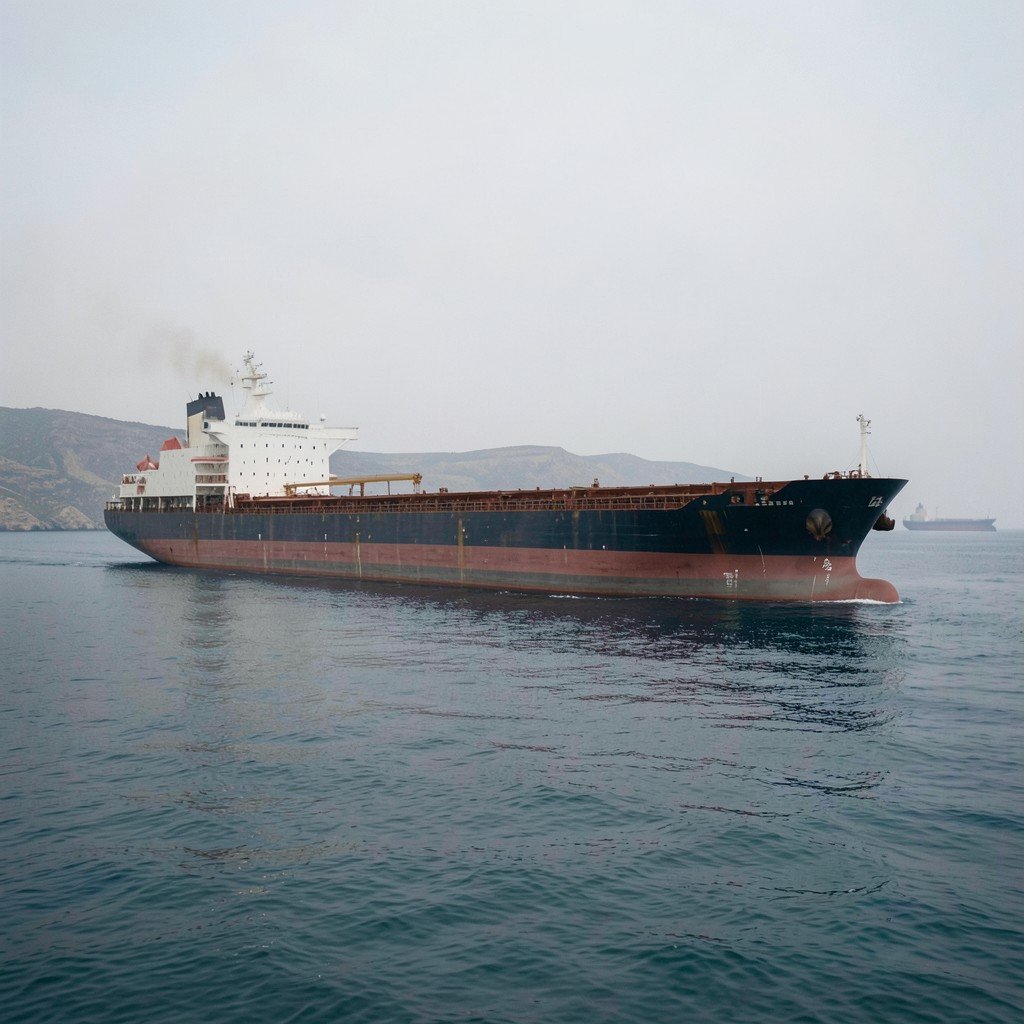
The visit follows months of disruption to Iraq's crude exports after the US-Israel war on Iran effectively closed the Strait of Hormuz, a waterway that carries about one-fifth of the world's energy in peacetime. Baghdad is now seeking permanent alternative corridors through Turkiye, Saudi Arabia, Syria and Lebanon.

For Lebanon, the talks represent a chance to secure a role in a prospective regional oil export network and generate much-needed revenue amid a prolonged economic crisis.

Export Recovery and Pipeline Plans

Iraq's Ministry of Oil reported crude exports reached about 2.7 million barrels per day (bpd) last month, up from roughly 200,000 bpd in May but still below the pre-war level of about 3.5 million bpd. The recovery was partly driven by the resumption of pumping this week through the Iraqi-Turkish pipeline at an initial capacity of 120,000 bpd.

Al-Zaidi's Beirut trip comes weeks after he met Syrian President Ahmed al-Sharaa in Damascus, where the two countries signed a cooperation agreement to rehabilitate the Kirkuk to Baniyas pipeline, a project to be carried out by US energy giant Chevron.
Background and Regional Context

Iraq has sought alternatives for exporting crude primarily through Syria, a route that was previously difficult because of international sanctions under longtime ruler Bashar al-Assad, who was toppled in late 2024. The Strait of Hormuz closure following the Iran war, which began in late February, intensified the urgency of finding new corridors.

Tripoli has emerged as an option because of its long-defunct Kirkuk pipeline and a local refinery that filtered 21,000 bpd of Iraqi crude in 1940, according to the Lebanese Directorate General of Oil. The refinery closed in 1992, shortly after Lebanon's 15-year civil war ended in 1990. Industry insiders say Tripoli's oil infrastructure includes three legacy lines with a historical peak capacity of 900,000 bpd.

Economic Projections and Expert Analysis

A report this year by the Basil Fuleihan Institute of Finance (BFIF), an autonomous agency under Lebanon's Finance Ministry, described Tripoli's terminal infrastructure as "a goldmine of latent capacity." Under a moderate flow scenario of 300,000 to 500,000 bpd, Lebanon could earn annual revenues of $80 million to $275 million, a significant boost for an economy whose currency has lost more than 90 percent of its value since a 2019 banking crisis.

Walid Marrouch, professor of economics at the Lebanese American University, said Iraq is "looking for alternative routes to diversify their export routes" after the Hormuz disruption. Tamer Badawi, an associate fellow with the Royal United Services Institute, linked the visit to US envoy Tom Barrack's efforts to diversify Iraq's export routes and said the broader ambition is to develop alternative corridors connecting Iraq's oil infrastructure to regional networks.

What Lies Ahead

Reaching Tripoli would require Iraqi crude to pass through about 250km (155 miles) of Syrian territory, and the pipeline infrastructure would need repair and renovation. Experts say Lebanon risks being left out unless officials secure a seat in a prospective tripartite agreement with Syria and Iraq, since Iraq can already reach the sea through Syrian ports.

No final agreement has been confirmed, and further details on the outcome of Wednesday's meetings are awaited.

MORE LIKE THIS

Comments (0)

Leave a comment

A verified Gmail account is required to post comments.

No comments yet. Be the first to share your thoughts!