

Yemen Healthcare Collapse Fuels Unregulated Herbal Medicine Crisis
features

Yemen Healthcare Collapse Fuels Unregulated Herbal Medicine Crisis

By Editorial TeamAug 8, 2026 · 1:58 PM4 min read
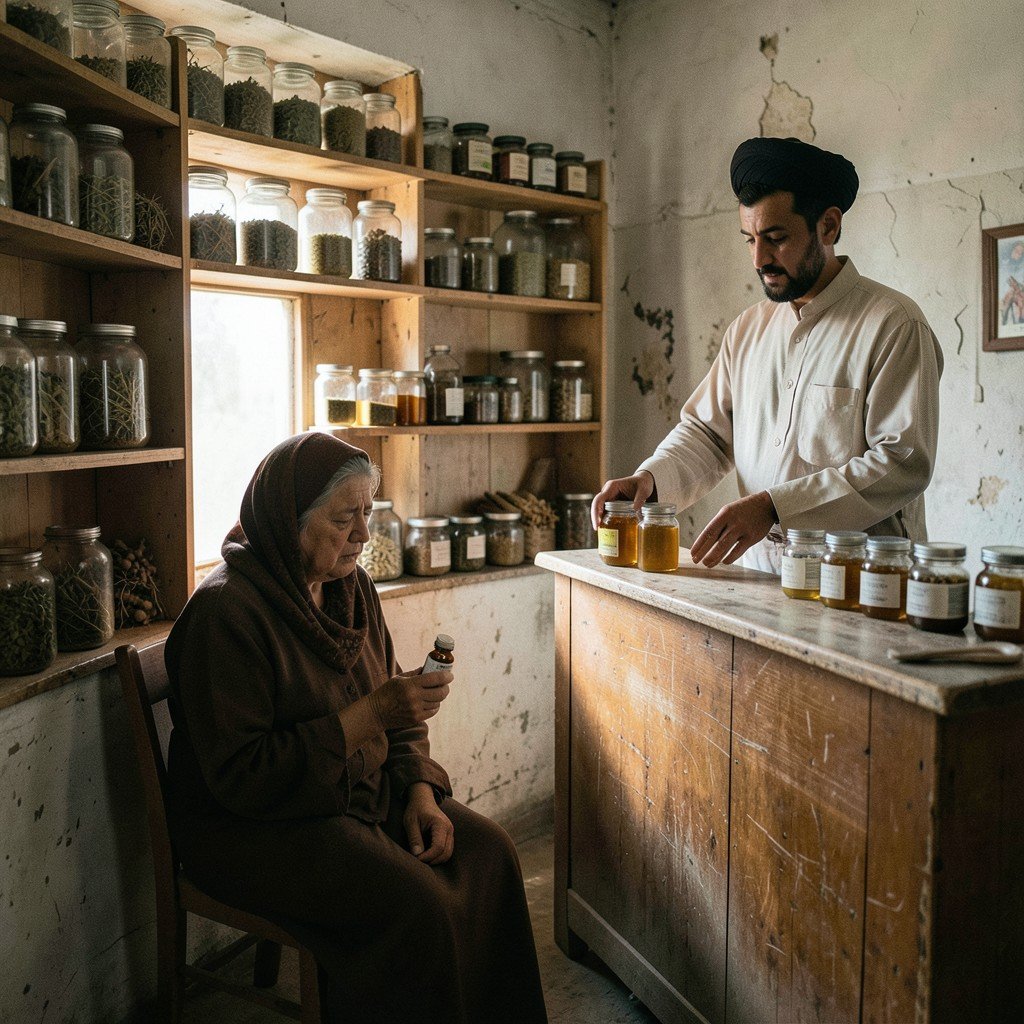
AI-generated representative image: A patient receives unregulated herbal medicine at a traditional shop in Taiz, Yemen, where collapsed healthcare drives many t
Editorial Team
Editorial Team
As conflict shuts down half of health facilities, millions of Yemenis turn to unlicensed herbal remedies with dangerous outcomes

More than 20 million Yemenis are without access to basic medical care as the country's healthcare system collapses under years of conflict and severe funding shortages, forcing many to turn to unregulated herbal remedies that medical experts warn are causing patients to deteriorate further.

According to the World Health Organization (WHO), at least 50 percent of health facilities in Yemen are entirely non-functional, leaving citizens unable to afford treatment abroad with few options beyond traditional medicine sold through honey shops and herbal centres operating without official permits or regulatory oversight.

The growing reliance on herbal practitioners represents a deepening public health crisis in Yemen, where patients are increasingly abandoning prescribed medications and chemotherapy in favour of unproven plant-based mixtures. Medical professionals warn that delays in proper treatment are causing preventable deterioration, while herbal practitioners face no government supervision despite directly handling patients' health.

Patients Caught Between Collapsed Care and Unregulated Alternatives

Jaleelah Abdul Hameed, a woman in her 50s from a village near Taiz, was initially misdiagnosed with a colon ailment before being correctly identified with liver cancer a year ago. Unable to afford treatment abroad and encouraged by local health stores, she abandoned prescribed medications and chemotherapy for six months in favour of herbal remedies. Her condition deteriorated severely, and she was hospitalised two months ago in much worse shape.

Raqeeb Sultan, 48, experienced a different outcome. After eight months of prescribed medication failed to resolve his Helicobacter pylori infection, he turned to a honey shop specialist who provided plant leaves mixed with honey. Within two months, his symptoms disappeared and a subsequent test showed no sign of the infection. However, Dr Adel, an internal medicine specialist in Taiz, cautioned that H. pylori symptoms often fluctuate and test results can be misleading, noting that only qualified doctors can prescribe treatment to fully eradicate the infection.

Years of Conflict and a Healthcare System in Ruins

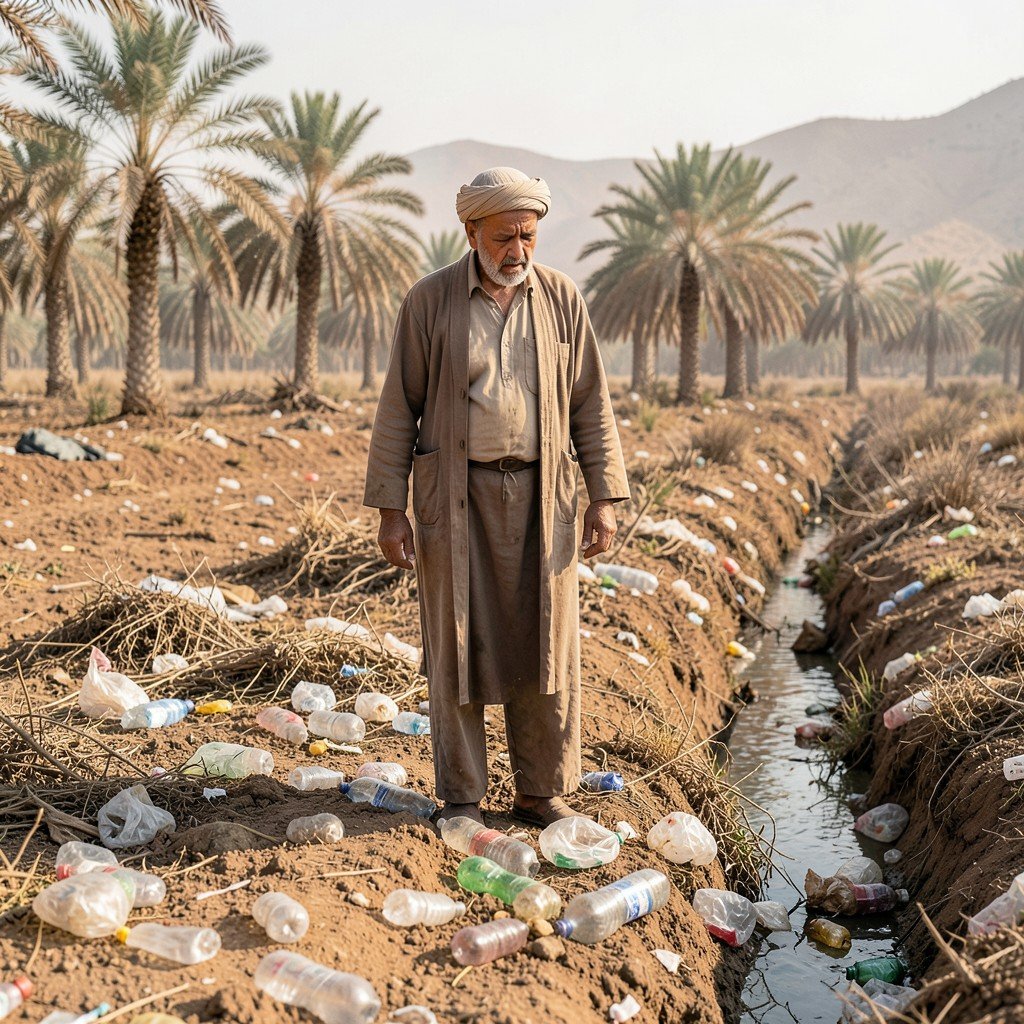
Yemen's healthcare infrastructure has been devastated by years of armed conflict. The WHO reports that half of all health facilities are completely non-functional, critically undermining the country's ability to respond to recurring outbreaks of diseases including cholera and diphtheria. For patients with complex conditions such as cancer, treatment options within Yemen are extremely limited, and international travel remains financially out of reach for most citizens.

Herbal medicine has deep cultural roots in Yemen. Many practitioners ground their work in Islamic tradition, citing references to honey in the Holy Quran as a cure and drawing on Hadiths that mention specific plants. Herbal medicine stores are now ubiquitous across the country, and for many honey shops, herbal remedies have become a lucrative secondary business. Some practitioners promote their products on social media using well-known influencers.

Practitioners Defend Their Trade as Doctors Sound Alarms

Ali, a herbal medicine practitioner in Taiz who studied under experienced practitioners in Hodeidah governorate before establishing his practice seven years ago, defended the field. "Herbal medicine is a science. We don't just inherit it; we learn it from veteran practitioners who have deep experience in the field," he said. He claimed he waits for hospital diagnoses before prescribing remedies and believes doctors and herbal practitioners should collaborate.

Ali admitted he operates without an official permit and faces no regulatory oversight, arguing that licences are unnecessary since he only sells natural herbs. Dr Adel countered that herbal practitioners lack formal medical training and rely on hearsay and unproven methods. "We are in the 21st century, and it is tragic to see people bypassing hospitals for herbal practitioners," he said. "Standard medical care remains far safer and more effective than turning to herbal remedies."

Calls for Regulation Amid Regulatory Gaps

A source at the Taiz governorate health office confirmed that complaints against herbal medicine stores fall outside the department's jurisdiction because these shops do not provide formal healthcare. Cases are instead referred to public prosecutors. The official noted that some herbal shops have been shut down for offering services including Quranic recitations and sorcery.

Jaleelah, now back on chemotherapy but in significantly worse condition, has called for urgent government supervision. "The health office should supervise these herbal centres and honey shops because they are treating sick people. If they are deceiving patients, authorities must shut them down," she said, adding that Yemenis should not be "victimised twice: first by being unable to access proper healthcare, and again by being duped by herbal medicine centres."

MORE LIKE THIS

Comments (0)

Leave a comment

A verified Gmail account is required to post comments.

No comments yet. Be the first to share your thoughts!