
Europe Needs African Gas to Avert Looming Energy Crisis
features

Europe Needs African Gas to Avert Looming Energy Crisis

By Editorial TeamJul 26, 2026 · 1:45 PM4 min read
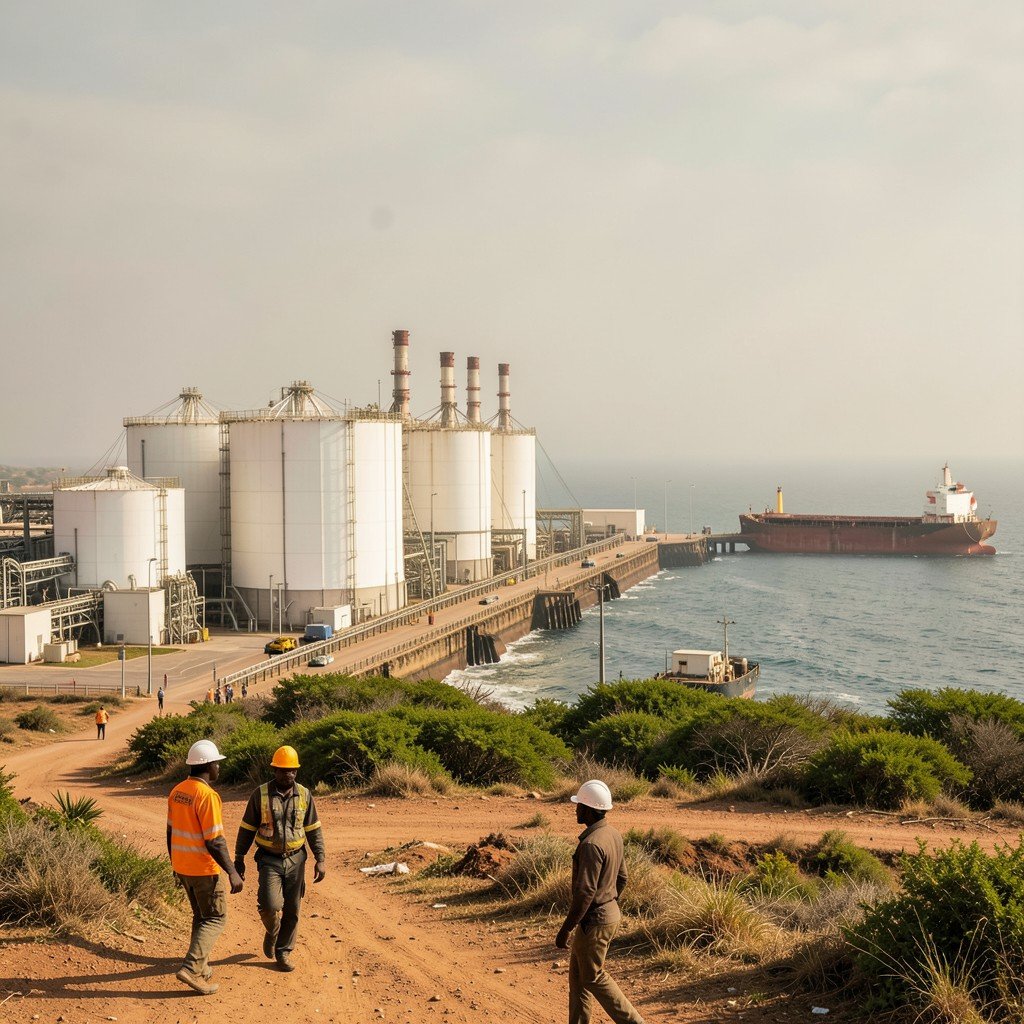
AI-generated representative image: A liquefied natural gas export terminal on the African coast, reflecting Europe's growing reliance on African gas supplies.
Editorial Team
Editorial Team
EU faces urgent need for African natural gas and LNG as Russian energy imports dwindle

European nations are increasingly looking to Africa to fill the energy gap left by reduced Russian gas imports, with experts warning that the continent's energy security now depends on swift investment in African natural gas production. The shift comes as the European Union accelerates its decoupling from Russian energy following the Ukraine conflict, leaving policymakers scrambling for reliable alternatives.

Africa holds more than 40 percent of the world's proven natural gas reserves that remain undeveloped, according to industry data. For Europe, which faces both an immediate supply crisis and a long-term transition away from fossil fuels, African gas offers a geographically closer and potentially more stable alternative to suppliers in the Middle East, Asia or the Americas. The stakes are high: without new supply agreements, European industries and households could face sustained high energy costs and periodic shortages.

Growing Dependence on African Energy

European energy analysts and industry officials have increasingly called for stronger energy partnerships with African producers, particularly Nigeria, Algeria, Angola, Mozambique and Senegal. These countries hold significant untapped gas reserves that could be brought online within the next five to ten years with sufficient foreign investment.

Key developments driving the shift include:

  • The European Union's decision to phase out most Russian gas imports by 2027, creating a supply gap of roughly 150 billion cubic meters annually.
  • Several major liquefied natural gas (LNG) projects under development in Mozambique and Senegal, which could collectively add tens of millions of tonnes of LNG capacity to global markets.
  • Expansion of existing pipeline infrastructure linking North Africa to southern Europe, including Algeria's Trans-Mediterranean pipeline and new connector projects.
Historical Context of Europe-Africa Energy Ties

Europe has historically relied on a mix of domestic production, Russian pipeline gas, and LNG from Qatar and the United States. Russia supplied approximately 40 percent of the EU's natural gas before the Ukraine conflict, with much of that flowing through pipelines crossing Ukraine and Belarus.

African gas has played a smaller but steady role. Algeria has supplied natural gas to Spain and Italy via submarine pipelines for decades, while Nigeria has exported LNG to European buyers since the 1990s. However, underinvestment, political instability and regulatory hurdles have prevented many African nations from fully developing their gas reserves.

The current energy crisis has renewed European interest in African gas projects that were previously considered too costly or politically complex. Several European governments have signed new memoranda of understanding with African producers since 2022, signaling a strategic pivot.

Industry and Official Assessments

The International Energy Agency (IEA) has projected that global natural gas demand will remain robust through at least 2030, even under accelerated renewable energy adoption scenarios. African producers are well positioned to meet a significant share of this demand, according to the African Energy Chamber.

Speaking at a recent energy summit, European Commission officials acknowledged that "African gas will be an unavoidable part of Europe's energy mix for the foreseeable future," while emphasizing that investments must align with long-term climate goals. Energy executives have warned that without clear regulatory frameworks and financing guarantees, many African gas projects risk delays or cancellation.

Environmental groups have raised concerns about locking in new fossil fuel infrastructure, but proponents argue that African gas produces significantly lower emissions than coal, which several European countries have been forced to restart as an emergency measure.

What Lies Ahead

European and African officials are expected to hold further discussions on energy cooperation ahead of the next EU-Africa summit, with several bilateral agreements under negotiation. The completion of major LNG terminals in Mozambique and Senegal over the next three to five years will be a critical test of whether the promised supply can materialize.

For now, Europe's energy security remains in a precarious balance, with African gas seen as both a strategic necessity and a complex diplomatic and financial undertaking. Additional investment commitments and regulatory clarity from both sides will determine whether the continent can deliver on its potential.

MORE LIKE THIS

Comments (0)

Leave a comment

A verified Gmail account is required to post comments.

No comments yet. Be the first to share your thoughts!