
US Deploys Third Aircraft Carrier Strike Group Near Iran
features

US Deploys Third Aircraft Carrier Strike Group Near Iran

By Editorial Team•Oct 3, 2026 · 6:14 AM•4 min read
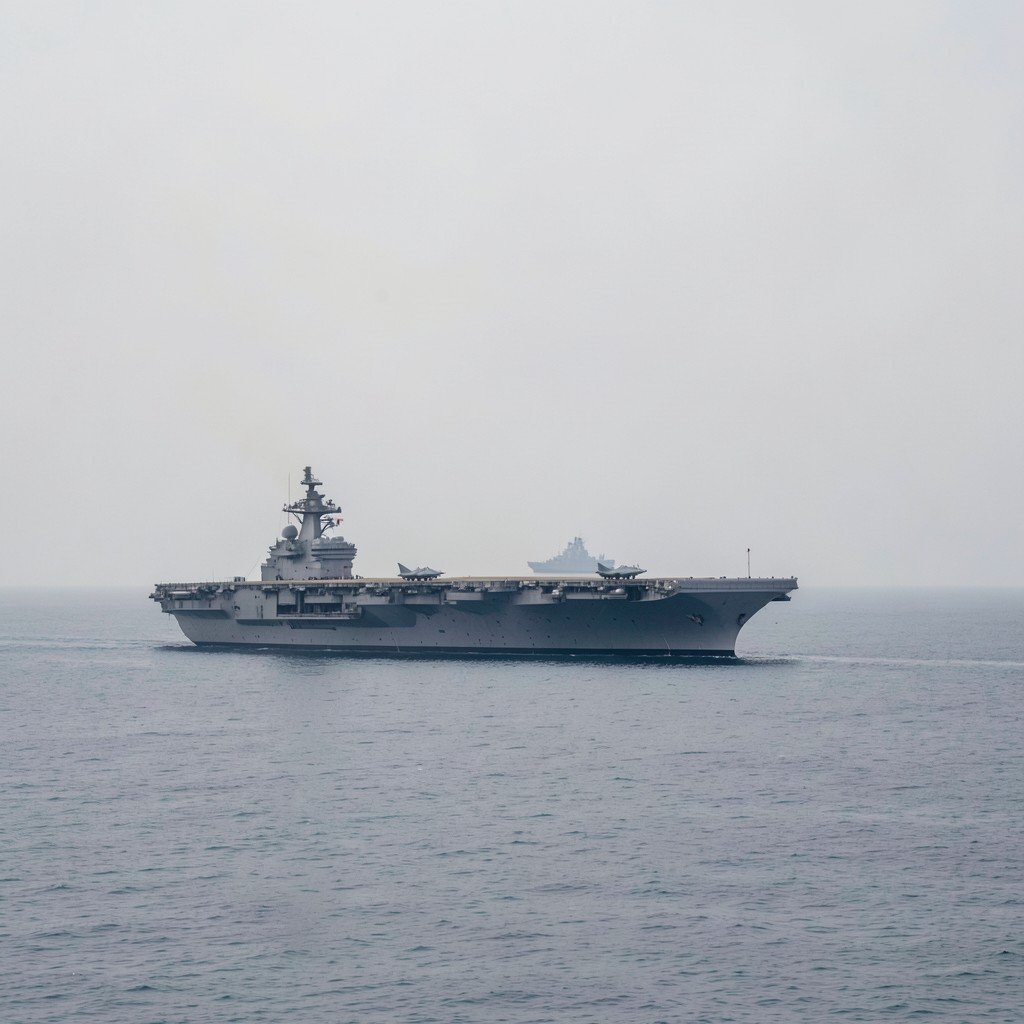
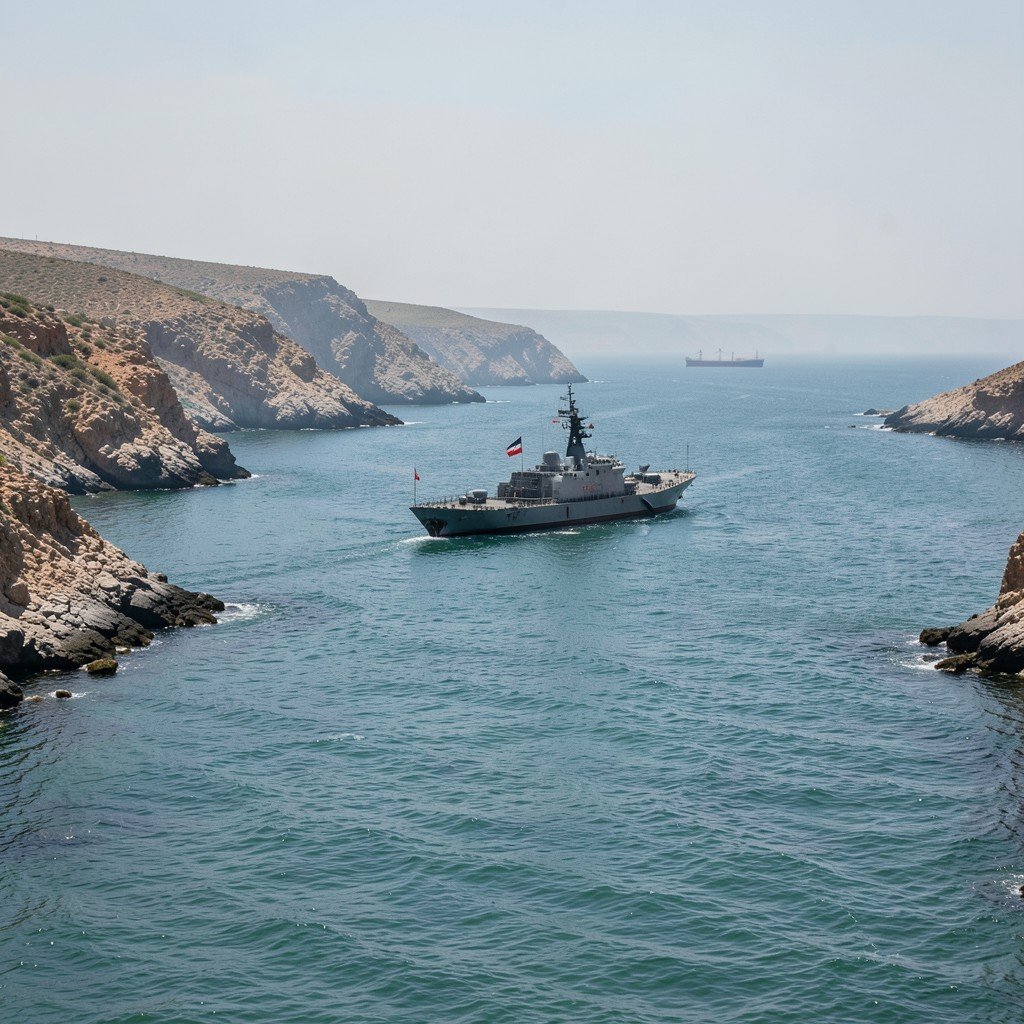
AI-generated representative image. A US Navy aircraft carrier at sea, illustrating the reported deployment of a third carrier strike group near Iran.
Editorial Team
Editorial Team
Roosevelt carrier group and Makin Island Marines head to the Middle East as Washington weighs military action and diplomacy

The United States is deploying a third aircraft carrier strike group to waters near Iran, a US official has confirmed, as the eight-month-old war enters a critical phase with both Washington and Tehran weighing escalation against diplomatic engagement. The USS Theodore Roosevelt carrier strike group departed its San Diego base on Sunday, followed a day later by the Makin Island Marine Expeditionary Unit carrying more than 2,000 Marines.

The combined naval deployment could involve an additional 9,000 to 10,000 US troops, including sailors and Marines, according to The Wall Street Journal. By the end of November, three aircraft carriers and two amphibious landing groups are expected to be positioned near Iran.

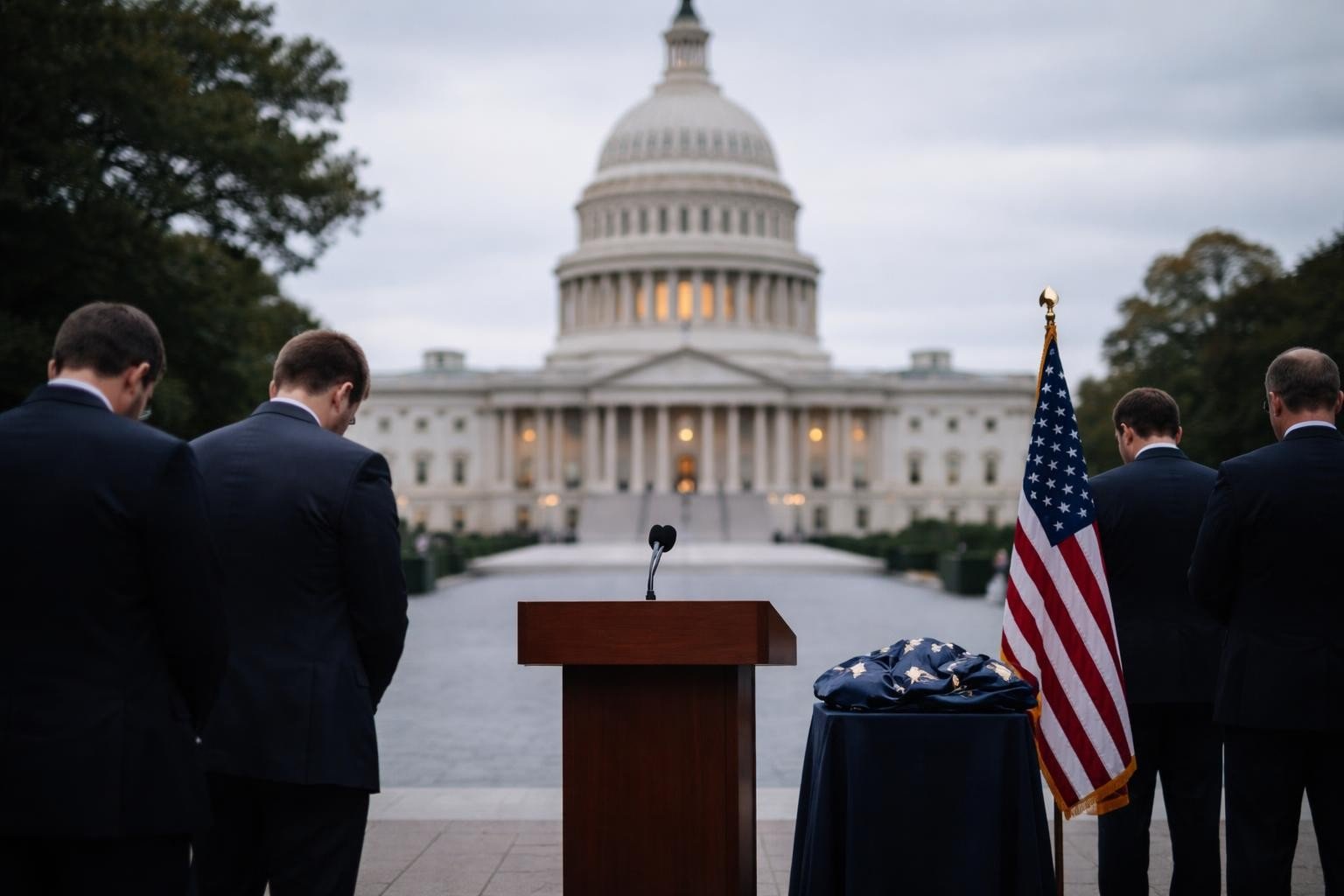
The buildup comes roughly a month before US midterm elections, where President Donald Trump's Republican Party could face political consequences over a war that remains deeply unpopular domestically. The expanded military presence gives the White House a wider set of options while indirect peace talks continue without a breakthrough, keeping the future of the conflict uncertain.

Deployment Details and Command Intentions

The new deployment includes F-35 fighter jets and will supplement the roughly 50,000 US service members already stationed across the Middle East. According to Pentagon and White House sources, the objective is to keep military options available to Trump regardless of how diplomacy unfolds, with no current plans to withdraw assets even if an agreement with Iran is reached.

Defense Secretary Pete Hegseth has stated that forces are ready to act should Trump order new attacks. The concentration of naval power is intended to give the president a broader menu of choices rather than committing the US to a predetermined course.
Existing US Presence and Earlier Reinforcements

The United States has maintained troops and military assets at bases across the Middle East for decades. According to the Council on Foreign Relations, Washington operates from at least 19 military sites in the region, eight of which are permanent bases located in Bahrain, Egypt, Iraq, Jordan, Kuwait, Qatar, Saudi Arabia and the United Arab Emirates. As of mid-2025, between 40,000 and 50,000 US soldiers were stationed across large permanent bases and smaller forward sites.

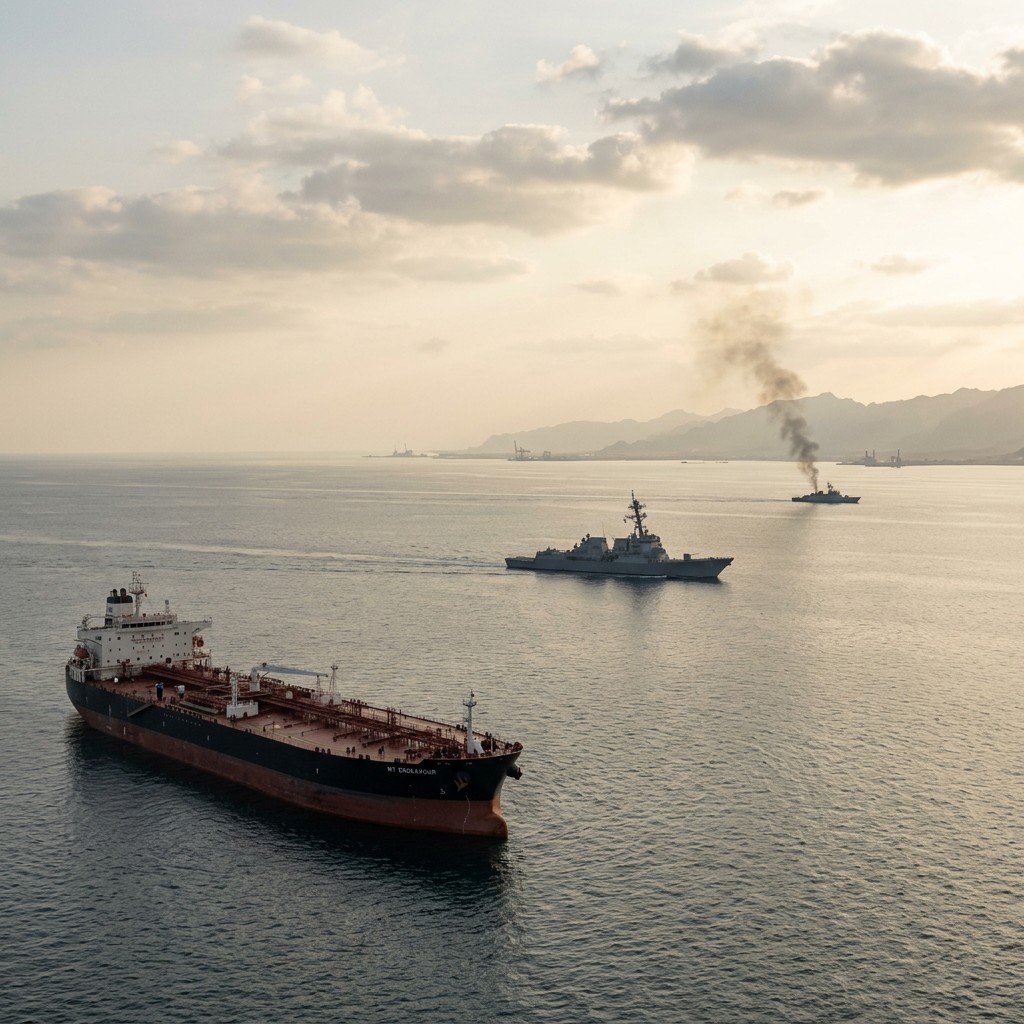
Trump has been reinforcing the US military presence since the start of this year, initially sending warships including the USS Abraham Lincoln aircraft carrier to the Arabian Sea. Since early February, more than 120 aircraft have been deployed to the region, marking the largest surge in US airpower in the Middle East since the 2003 Iraq War.

In March, the Pentagon ordered additional forces to the Gulf in three formations: the Tripoli Amphibious Ready Group built around the USS Tripoli, the Boxer Amphibious Ready Group centred on the USS Boxer, and approximately 2,000 soldiers from the 82nd Airborne Division's Immediate Response Force based at Fort Bragg, North Carolina. Together, these reinforcements added nearly 7,000 troops to the region since the war began.

Diplomatic Proposals and Official Statements

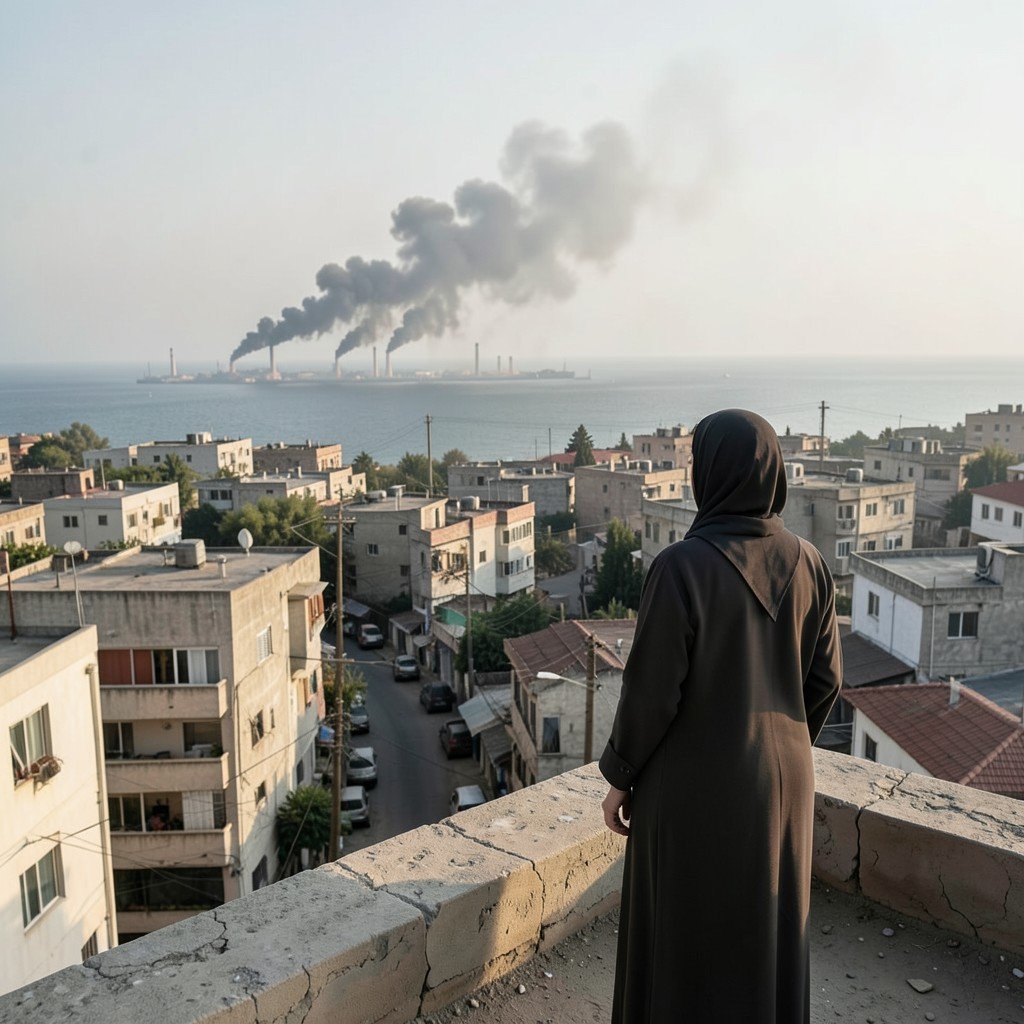
Indirect peace talks between the US and Iran, mediated by Qatar on the sidelines of the United Nations General Assembly in New York last month, have continued without breakthroughs. Iran proposed a seven-day roadmap to reopen the Strait of Hormuz and resume nuclear talks in exchange for an end to the US naval blockade, sanctions relief and a regional ceasefire covering Lebanon and Yemen. Trump rejected the plan, saying it included terms he would not have approved a year ago or today.

US ambassador to the UN Mike Waltz described Iran's demand for frozen funds and sanctions relief as non-negotiable, citing seven UN Security Council resolutions against an Iranian nuclear weapons programme. In response, Iran's Foreign Minister Abbas Araghchi said Tehran was fully prepared to resume the war while insisting Iran came to forge peace, not sell a war.

What Comes Next

The Trump administration has paired its military buildup with economic pressure, sanctioning Iran's rail and automotive conglomerates this week in what the Treasury Department described as an effort to drain remaining revenue, following sweeping sanctions imposed last month.

In an interview with Time magazine, Trump suggested it was possible he could ramp up bombing Iran after the midterm elections, while late Thursday warning that the confrontation will end very soon, with severe consequences if Tehran fails to reach a deal. Whether the latest deployment signals escalation or serves as negotiating leverage remains officially unconfirmed.

MORE LIKE THIS

Comments (0)

Leave a comment

A verified Gmail account is required to post comments.

No comments yet. Be the first to share your thoughts!