Saudi Arabia and US Launch Joint Airstrikes on Iran-Backed Groups in Iraq
news

Saudi Arabia and US Launch Joint Airstrikes on Iran-Backed Groups in Iraq

By Editorial TeamJul 29, 2026 · 5:38 AM4 min read
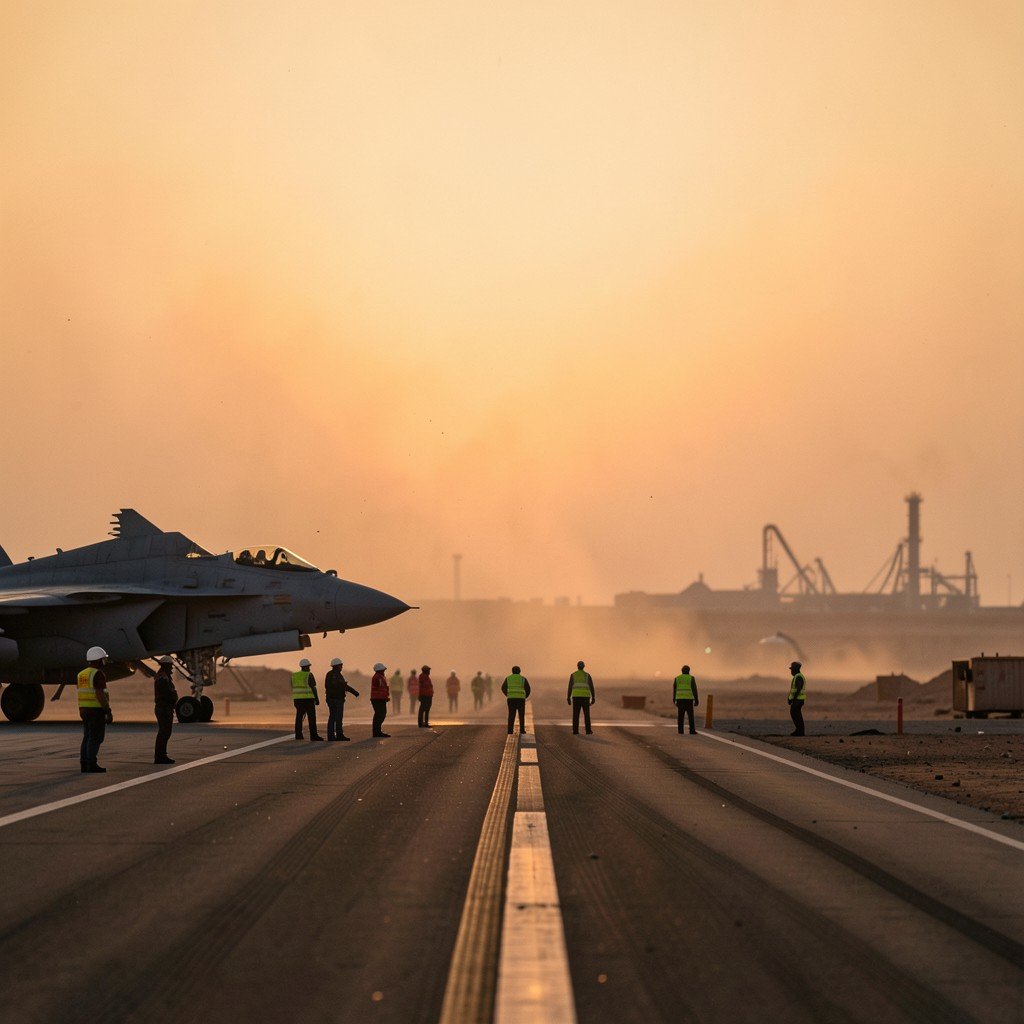
AI-generated representative image. A military airbase at dawn in the Gulf region, reflecting heightened regional tensions following joint airstrikes in Iraq.
Editorial Team
Editorial Team
Eight PMF members killed as Riyadh and CENTCOM retaliate for drone attacks on Saudi petroleum facilities, prompting Baghdad to condemn the strikes and pursue diplomatic talks.

Saudi Arabia and the United States carried out joint airstrikes early Wednesday against Iran-backed armed groups in Iraq, killing eight members of the Popular Mobilisation Forces (PMF) and wounding four others, according to statements from both the Saudi Ministry of Defence and the PMF.

The strikes targeted PMF headquarters across Iraq and were conducted in coordination with US Central Command (CENTCOM), the Saudi defence ministry confirmed, describing the operation as a response to recent drone attacks launched from Iraqi territory against Saudi petroleum infrastructure.

The operation marks a significant escalation in regional tensions involving Iran-aligned militias, Iraq's sovereignty, and the security of critical energy infrastructure in the Gulf. It places Iraq at the center of a growing confrontation between Saudi Arabia and Iran-backed armed factions operating within Iraqi borders, testing Baghdad's ability to control its territory and manage relations with both Riyadh and Tehran.

What Happened

  • Saudi air defences intercepted and destroyed several drones that attempted to target petroleum facilities in the Eastern Province and Riyadh regions prior to the retaliatory strikes.
  • The Saudi Ministry of Defence stated the drones were launched from Iraqi territory and attributed them to Iran-aligned militias.
  • The PMF confirmed eight fatalities and four wounded, calling the strikes a "highly dangerous escalation" and a violation of Iraq's sovereignty.
  • Iraqi Prime Minister Ali al-Zaidi is scheduled to travel to Saudi Arabia on Thursday for discussions, following his earlier order for Iraqi security agencies to investigate the drone attacks.
  • The Islamic Resistance in Iraq, an umbrella group of Iran-backed armed factions, denied involvement and warned that "any foolish Saudi action will be met with a harsh response."

Background of Regional Tensions

The Popular Mobilisation Forces are a state-sanctioned umbrella of predominantly Shia militias formed in 2014 to combat the Islamic State group. Many of its constituent factions maintain close ties to Iran and have been accused of operating beyond the control of the Iraqi government. The PMF was formally integrated into Iraq's official security apparatus, but its Iran-linked brigades have repeatedly been implicated in attacks targeting US and allied interests in the region.

Saudi Arabia has faced periodic drone and missile attacks on its oil infrastructure in recent years, most notably the 2019 strikes on Abqaiq and Khurais facilities that temporarily halved the kingdom's crude output. Those attacks were claimed by Yemen's Houthi movement, though Riyadh and Washington blamed Iran. The latest drone interceptions over the Eastern Province and Riyadh represent a renewed threat to Saudi energy security, this time originating from Iraqi territory rather than Yemen.

Official Statements and Denials

The Saudi Ministry of Defence emphasized restraint in its statement, saying: "The Kingdom emphasizes that it does not seek escalation but will respond to any aggression it faces." The language signaled that while Riyadh views the strikes as proportionate and defensive, it remains open to diplomatic channels.

On Monday, prior to the strikes, the Iraqi military had issued a statement affirming that "Iraq is committed to preventing Iraqi territory from being used as a route or launching point for any attack targeting brotherly or friendly countries." That pledge came after Prime Minister al-Zaidi ordered an investigation into the drone attacks. The PMF's condemnation of the joint strikes as a breach of Iraq's sovereignty highlights the complex position of a force that is both officially part of the state and linked to external actors.

The Islamic Resistance in Iraq dismissed the Saudi justification as "fabrications," rejecting any responsibility for the drone launches that triggered the operation.


What Comes Next

Prime Minister al-Zaidi's scheduled visit to Saudi Arabia on Thursday is now the focal point of diplomatic efforts to contain the fallout. The talks are expected to address both the investigation into the drone attacks and the ramifications of the joint military operation on Iraqi soil. Meanwhile, the threat of further retaliation from Iran-backed groups remains, with the Islamic Resistance in Iraq having explicitly warned of a harsh response to any perceived Saudi aggression.

MORE LIKE THIS

Comments (0)

Leave a comment

A verified Gmail account is required to post comments.

No comments yet. Be the first to share your thoughts!