

Key Developments in the Disaster
Basanta Raj Adhikari, director of the Centre for Disaster Studies at Tribhuvan University in Kathmandu, described the event as unprecedented in size, affected area and mechanism. He estimated that the energy involved was greater than that released by the Hiroshima atomic bomb, a comparison intended to illustrate the physical forces at play rather than suggest a nuclear equivalence.
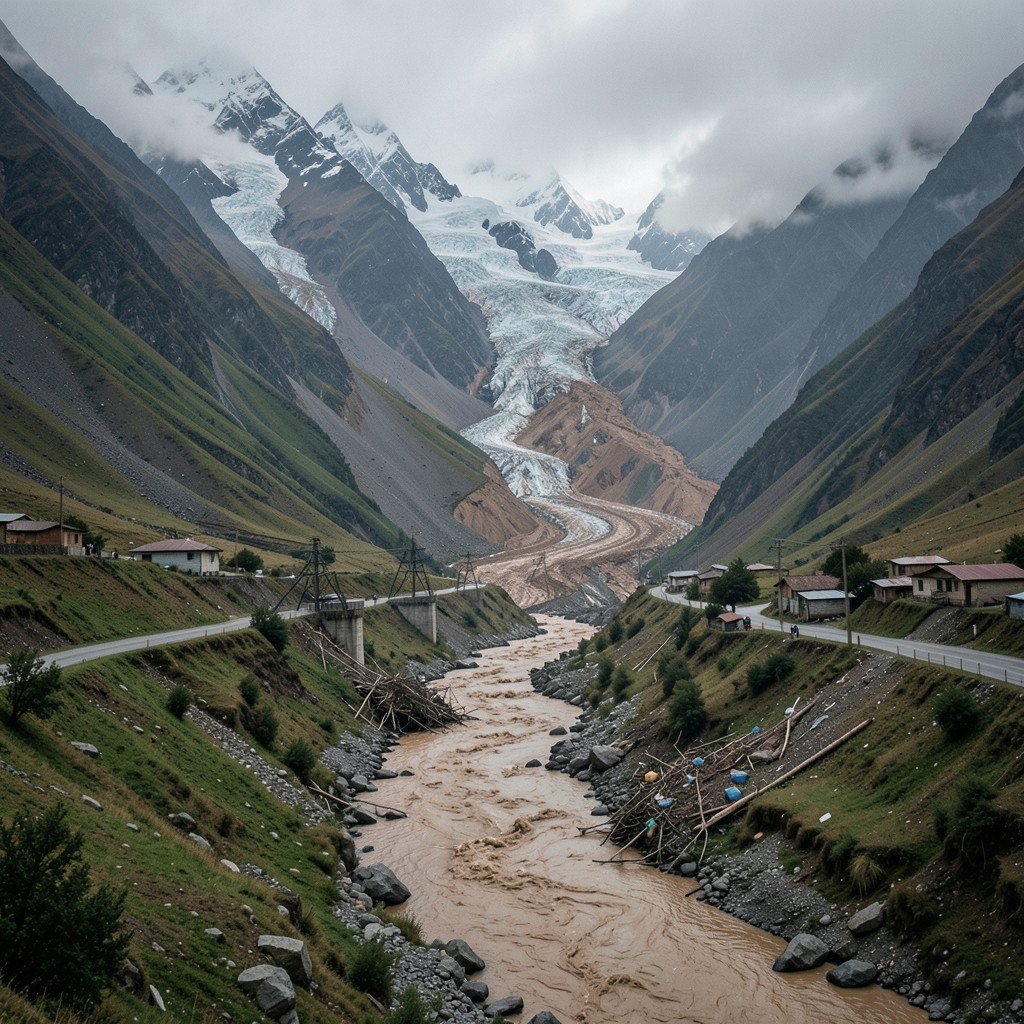
Scientists are examining an ice-rock avalanche and other possible processes that temporarily obstructed the river system before releasing a destructive surge. The International Centre for Integrated Mountain Development (ICIMOD) has described the event as an ice avalanche rather than a conventional glacial lake outburst flood, while other researchers have examined the role of local seismic activity.
At least 900 workers were believed to have been inside hydropower tunnels and other facilities in the aftermath. Two workers were eventually pulled alive from a hydropower tunnel nine days after the disaster.