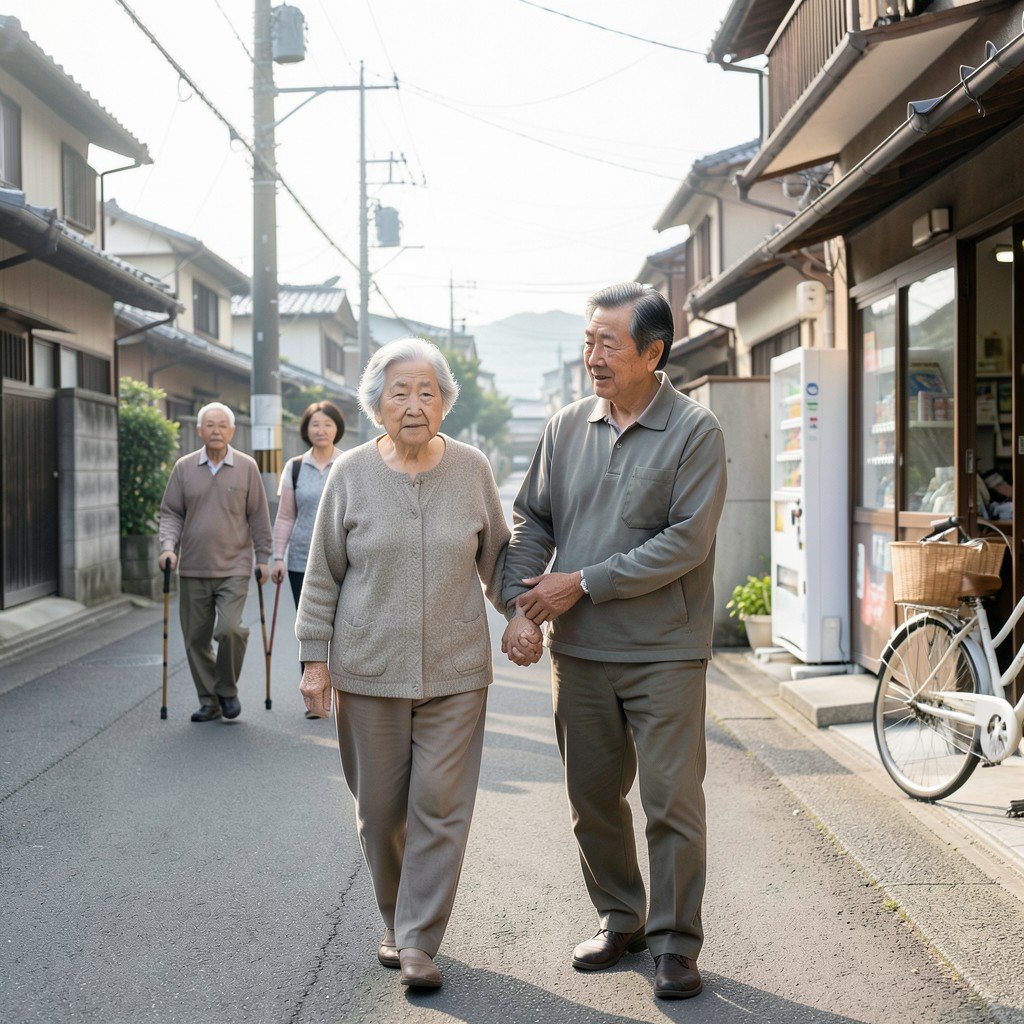
Economic Pressures and Global Comparison
A shrinking working-age population means fewer people paying income taxes and social-security contributions while spending on pensions, healthcare and elderly care rises. Labour shortages are affecting industries from construction and agriculture to transport, healthcare and social care, with rural areas hit hardest as younger residents move to cities.
Japan has introduced child allowances, subsidised childcare, parental leave programmes and other incentives to encourage larger families, but none has reversed the long-term decline. Social scientists note that fewer people are marrying or are marrying later, while many younger adults face insecure employment, stagnant wages and demanding working hours. Women's increased workforce participation has also not been matched by an equal sharing of childcare and household duties.
Immigration could help offset shortages, and Japan's foreign population has risen in recent years, but foreign nationals still account for only about 3 percent of the population and proposals to accept substantially more migrants remain politically contentious. Globally, life expectancy reached 73.3 years in 2024, up 8.4 years since 1995, according to the World Health Organization, with the number of people aged 60 or older projected to rise from 1.1 billion in 2023 to 1.4 billion by 2030. Japan's median age of 49 in 2023 led the world, followed by Italy at 47.5, Portugal at 46.2, Greece at 45.7 and Germany at 45.1.