
IAEA Refers Iran to UN Security Council Over Nuclear Noncompliance
news

IAEA Refers Iran to UN Security Council Over Nuclear Noncompliance

By Editorial TeamSep 10, 2026 · 2:21 PM4 min read
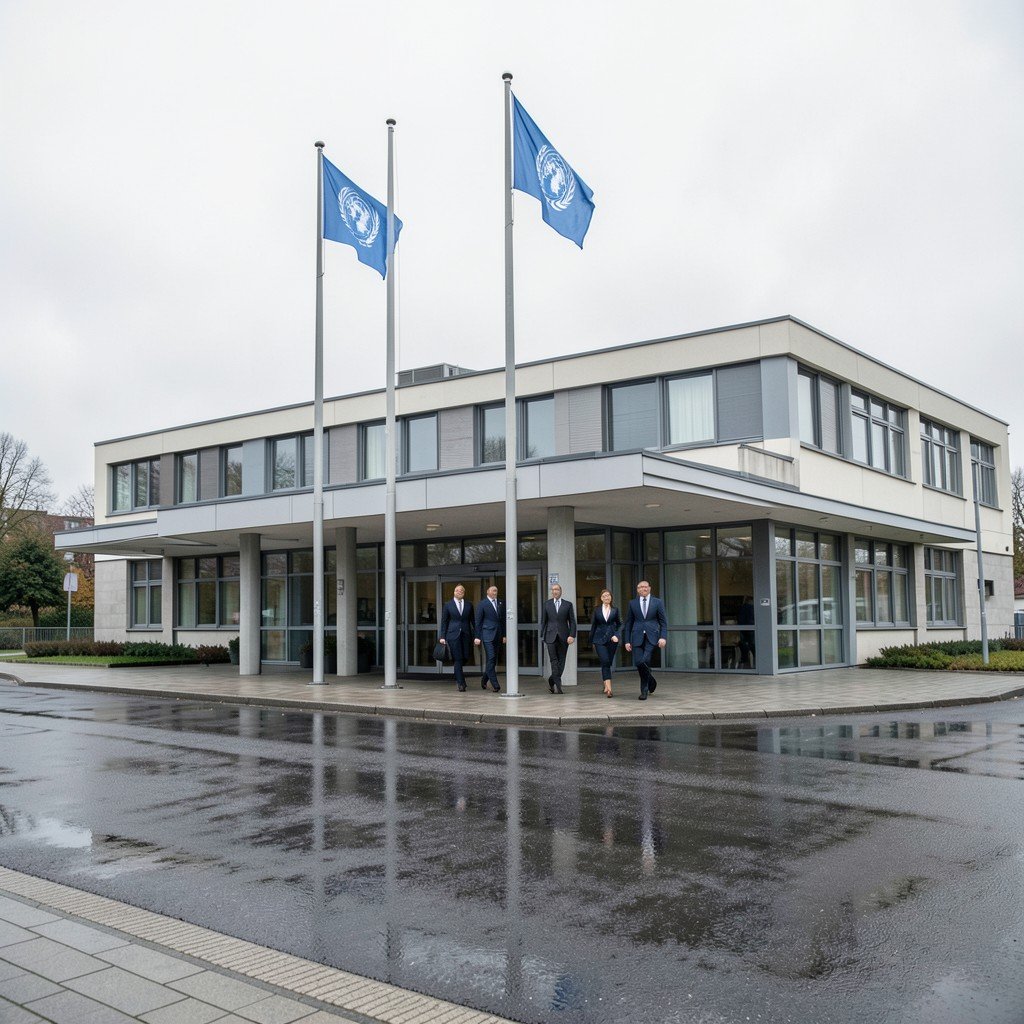
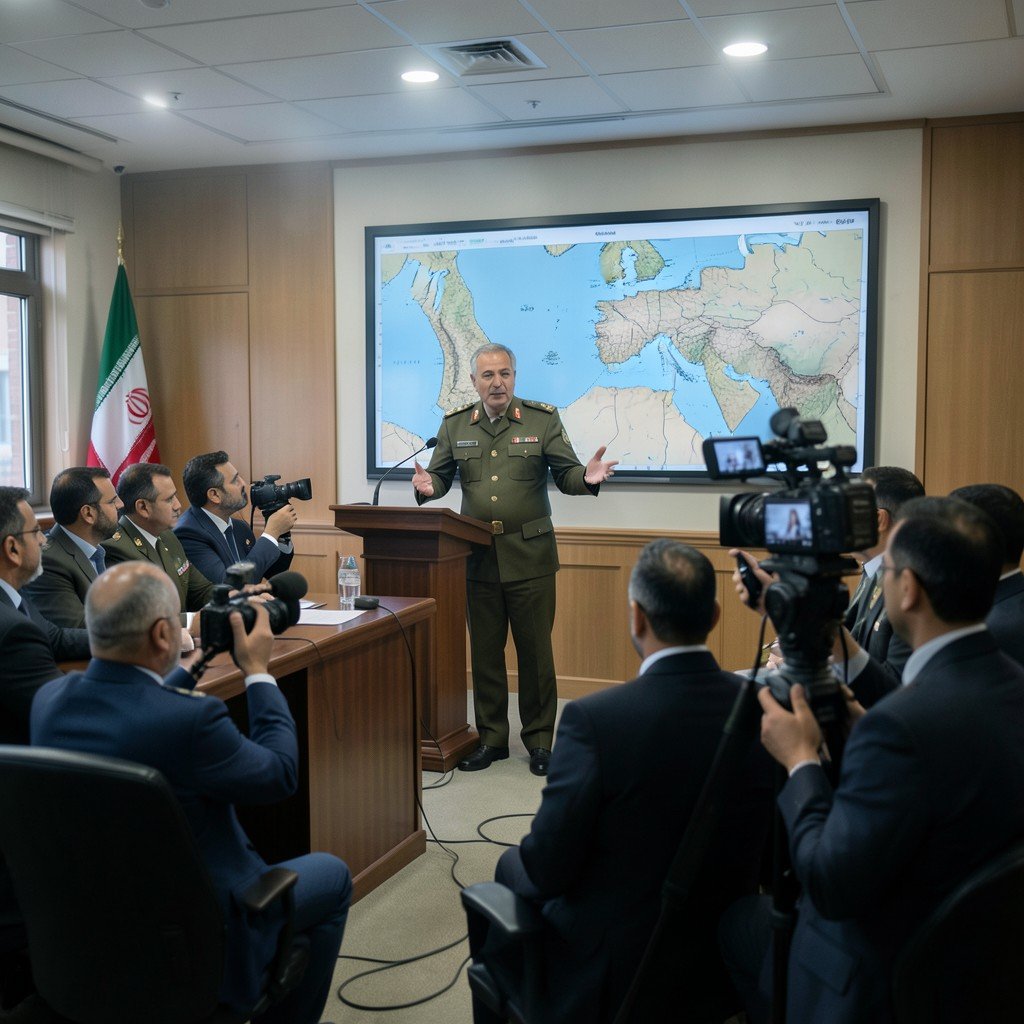
AI-generated representative image: The IAEA headquarters in Vienna, where the nuclear watchdog's board referred Iran to the UN Security Council over noncomplian
Editorial Team
Editorial Team
First IAEA referral in 20 years escalates the Iran nuclear standoff as US-Israeli strikes and Hormuz tensions intensify.

The Board of Governors of the United Nations nuclear watchdog has passed a resolution accusing Iran of failing to comply with its nuclear nonproliferation commitments and referring the matter to the UN Security Council (UNSC).

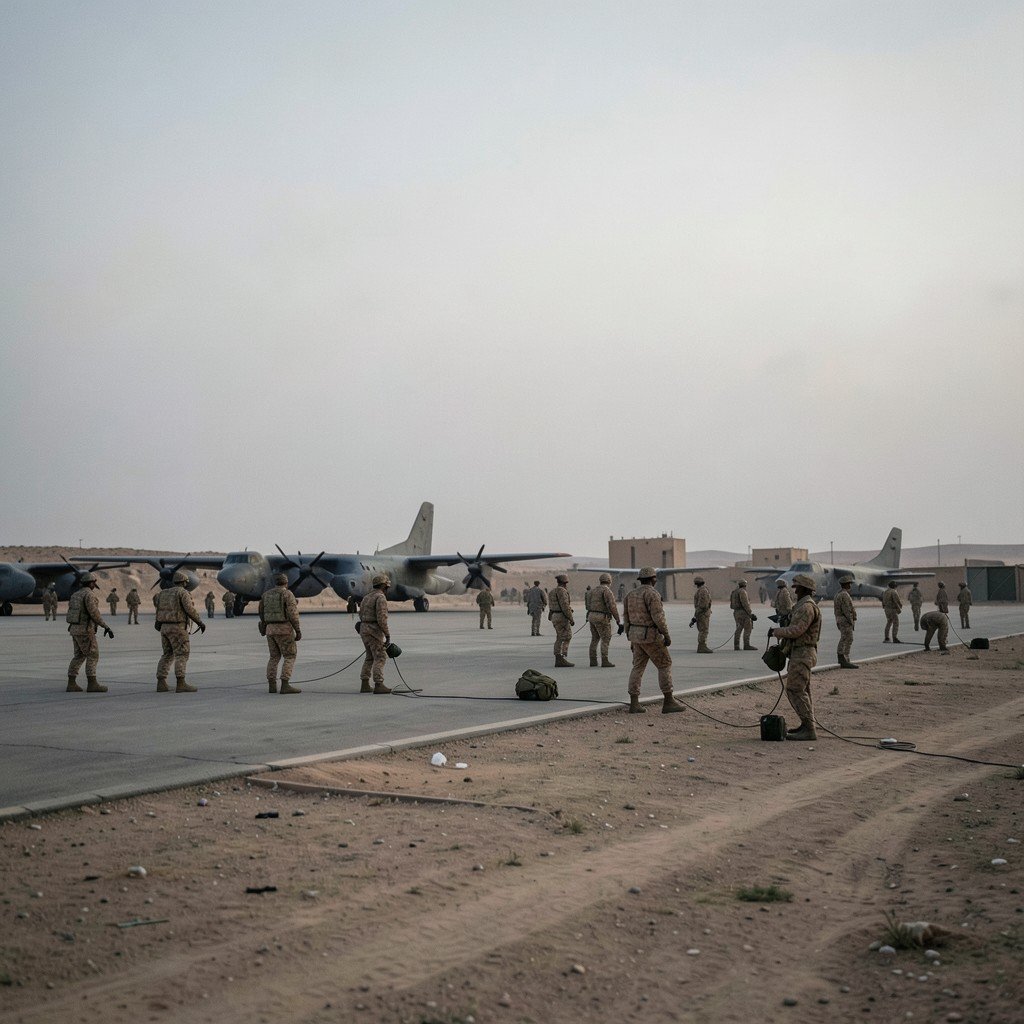
The move, backed by the United States, the United Kingdom, France and Germany, comes more than six months into the US-Israeli war against Iran and as tensions flare in the Strait of Hormuz, where the US and Iran have traded attacks on vessels in recent days.

The resolution is significant because it marks the first time in 20 years that the International Atomic Energy Agency (IAEA) board has taken such a step, escalating diplomatic pressure on Tehran at a moment when its nuclear facilities remain inaccessible to international inspectors.

However, analysts caution that the referral is unlikely to produce Security Council action, given that Iran's allies Russia and China hold veto power.

Key Developments

The IAEA resolution expressed grave concern over Iran's continued noncompliance with its obligations under the Nuclear Non-Proliferation Treaty (NPT), to which it is a signatory. The board said its lack of information about previously declared nuclear material and access to facilities to verify it constitutes a proliferation concern that needs to be urgently addressed.

The IAEA has not had access to key nuclear facilities in Iran since the US and Israel launched a 12-day war against Iran in June 2025, which included attacks on the Fordow, Natanz and Isfahan sites. The board called on Tehran to engage seriously and without preconditions in talks aimed at building international confidence in the exclusively peaceful nature of its nuclear programme.

Iran has condemned the resolution as baseless and politically motivated. Its representative to the UN in Vienna, Reza Najafi, said Iran has neither stopped nor suspended its safeguards obligations but that performance is currently impossible under continuing military operations and persistent threats.
Historical Context

The IAEA was highly critical of Iran in the early 2000s, accusing it of failing to declare nuclear material and activities. In 2006, the UNSC imposed sanctions on Iran after it failed to comply with a resolution demanding an end to its uranium enrichment programme.

After Iran agreed to the 2015 Joint Comprehensive Plan of Action (JCPOA) with six major global powers, including the US, it moved to curtail its nuclear programme and open nuclear sites to extensive and unprecedented IAEA inspection. Iran remained in compliance for years, but the agreement unraveled after then-President Donald Trump withdrew the US from the deal in 2018 and reimposed sanctions, prompting Tehran to intensify its nuclear programme and abandon the restrictions imposed by the deal.

In June 2025, the IAEA board declared Iran was not complying with its commitment to international nuclear safeguards. Tehran rejected that report and accused the IAEA of providing a pretext for US and Israeli attacks that followed days later.

Official Statements and Analysis

Iran's Deputy Foreign Minister Kazem Gharibabadi accused the US and its allies of political posturing, saying they attacked Iran's safeguarded nuclear facilities, disrupted the normal verification process, and then used that disruption as a pretext to pass a resolution.

Ali Vaez of the International Crisis Group described the resolution as an exercise in futility, saying Russia and China are likely to ensure Western pressure hits a wall at the Security Council. Darya Dolzikova, a senior research fellow at the Royal United Service Institute, said she does not expect the UNSC to adopt a resolution condemning Iran, but that the referral is intended to send a strong message that the US and its European partners are unwilling to accept the status quo.

IAEA Director General Rafael Grossi has previously stated the agency did not have proof of a systematic effort to move into a nuclear weapon. The IAEA suspects Iran has about 400kg (882lbs) of highly enriched uranium, with which 10 nuclear weapons could potentially be manufactured if enriched further.

What Lies Ahead

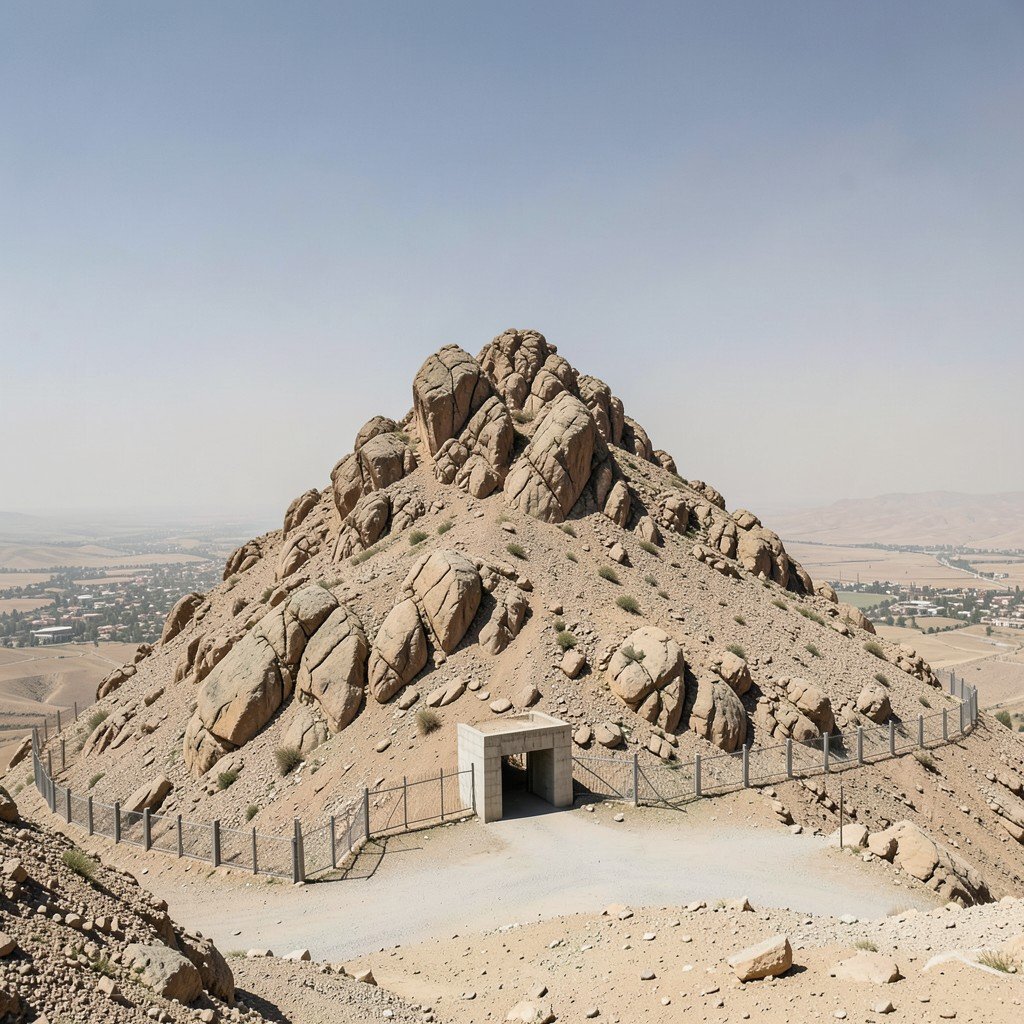
On the same day as the IAEA report, President Trump renewed threats to target Iran's Pickaxe Mountain, which has two underground complexes near the damaged Natanz uranium enrichment facility, saying the US had observed a little activity there.

Analysts suggest the referral could give Washington an opportunity to delay major military action until the US mid-term elections in November, after which a far less diplomatic approach may be adopted. Further action at the UN Security Council remains uncertain, with confirmation of any next steps still awaited.

MORE LIKE THIS

Comments (0)

Leave a comment

A verified Gmail account is required to post comments.

No comments yet. Be the first to share your thoughts!