

Sun contains 55 percent more silver than previously estimated
science and technology

Sun contains 55 percent more silver than previously estimated

By Editorial TeamJul 26, 2026 · 6:12 PM3 min read
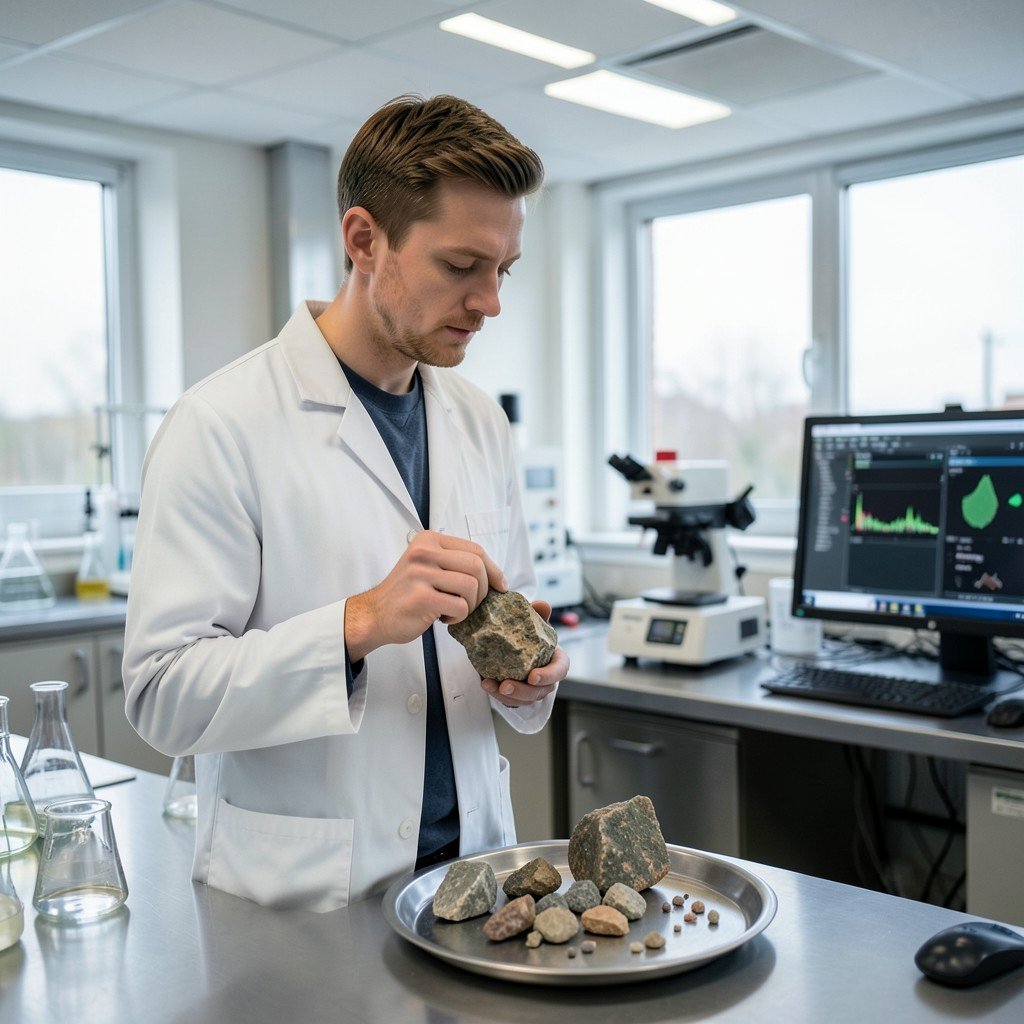
AI-generated representative image. An astronomer analyzes solar spectral data using advanced spectroscopy methods at a research facility.
Editorial Team
Editorial Team
Uppsala University spectroscopy study resolves solar-meteorite silver abundance mismatch

The Sun contains approximately 55 percent more silver than earlier estimates suggested, according to new research conducted by scientists at Uppsala University in Sweden. The revised measurement, based on an advanced spectroscopic analysis of sunlight, brings the Sun's silver abundance into closer alignment with levels found in primitive meteorites that formed from the same cosmic cloud 4.6 billion years ago.

Although heavy elements like silver make up only 1.5 percent of the Sun's mass, their precise measurement is critical for astronomy. The Sun serves as a key reference point for understanding the chemical composition of other stars, planets, and cosmic material. The new finding helps resolve a discrepancy that had puzzled scientists for years and offers fresh insight into how heavy elements are formed and distributed across the Milky Way.

Key Scientific Findings

The research was conducted by Sema Caliskan as part of her doctoral studies at the Department of Physics and Astronomy at Uppsala University. The team developed a more sophisticated method for measuring silver in the Sun by combining a dynamic model of the Sun's outer layers with improved atomic physics calculations.

  • The new approach accounts for non-equilibrium effects, where light itself interacts with the same silver atoms responsible for producing dark absorption lines in the solar spectrum.
  • Earlier estimates relied on simplified atmospheric models that did not capture these interactions as accurately.
  • The revised silver abundance is now 55 percent higher than previous measurements.
Background and the Missing Silver Problem

Stars like the Sun are composed almost entirely of hydrogen and helium. Heavier elements, including carbon, iron, and silver, are created inside stars and during stellar explosions before being incorporated into new stars, planets, and other cosmic material. Measuring the abundance of each element helps scientists trace the chemical evolution of the galaxy.

Previous measurements had indicated that the Sun contained significantly less silver than chemically primitive meteorites. This was difficult to explain because both the Sun and those meteorites formed from the same cloud of gas and dust approximately 4.6 billion years ago. The new calculation resolves this inconsistency by showing that the Sun's silver content is much more consistent with meteorite measurements.

Methodology and Technical Approach

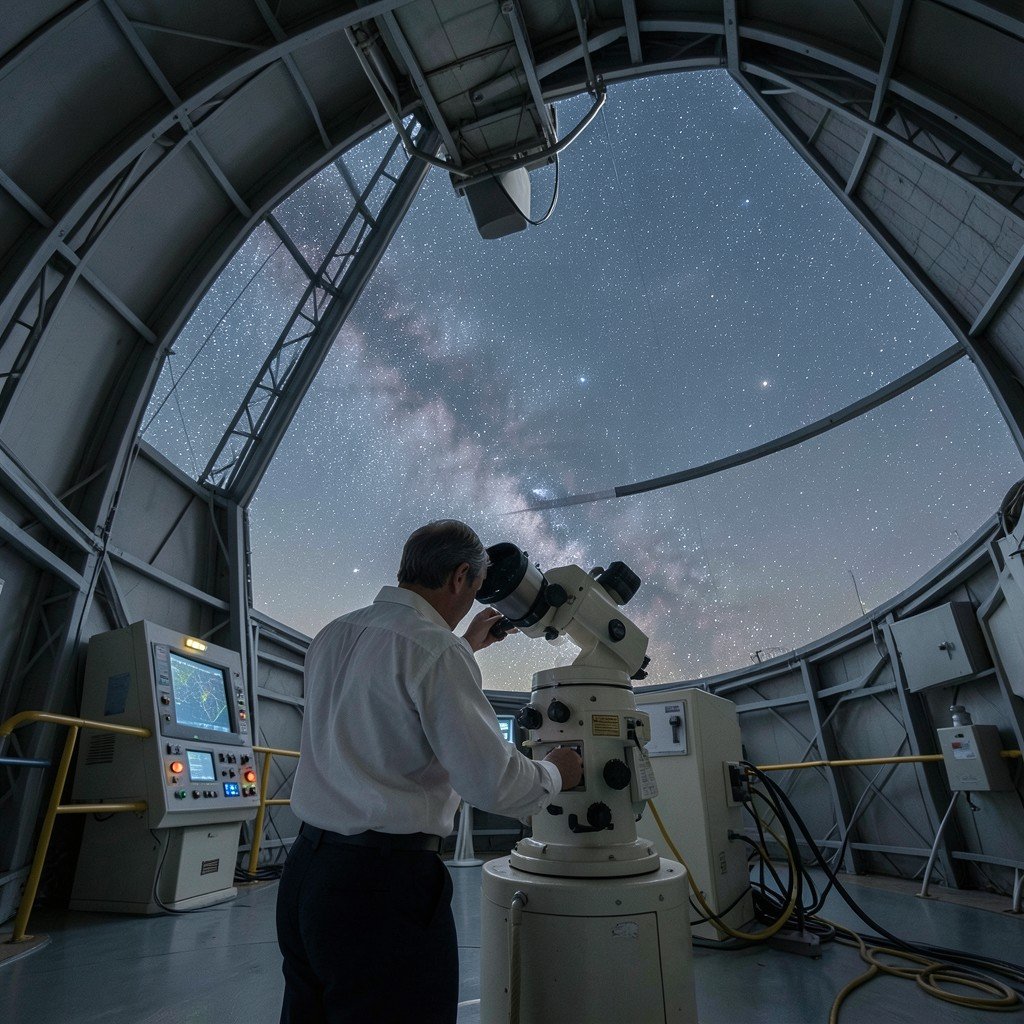
To measure the Sun's silver content, the researchers used spectroscopy to study sunlight. Atoms in the solar atmosphere absorb light at specific wavelengths, leaving dark features in the spectrum known as spectral lines. Each element produces a distinctive set of lines, similar to a fingerprint.

"With our new model, we were able to interpret the spectral lines used to determine the solar silver abundance more accurately," said Caliskan, who began her PhD research studying atomic structure before applying that expertise to stellar astrophysics.

The calculations were performed using Tetralith, a Swedish supercomputer at the National Supercomputer Center at Linköping University. Comparable methods have previously been applied to other elements, but this marks the first time the approach has been used to study silver in the Sun.

Next Steps in Research

The researchers plan to apply the same advanced method to study other stars. "By studying the light of stars of different types and ages, we hope to understand where silver is formed in the universe, and how it has been distributed throughout the Milky Way over time," Caliskan said. The findings may also improve scientific understanding of how silver and other heavy elements are produced in stars and stellar explosions before becoming part of later generations of stars and planets.

MORE LIKE THIS

Comments (0)

Leave a comment

A verified Gmail account is required to post comments.

No comments yet. Be the first to share your thoughts!