
Saudi Arabia Launches Red Sea Maritime Defence Coalition
news

Saudi Arabia Launches Red Sea Maritime Defence Coalition

By Editorial TeamAug 14, 2026 · 8:06 PM4 min read
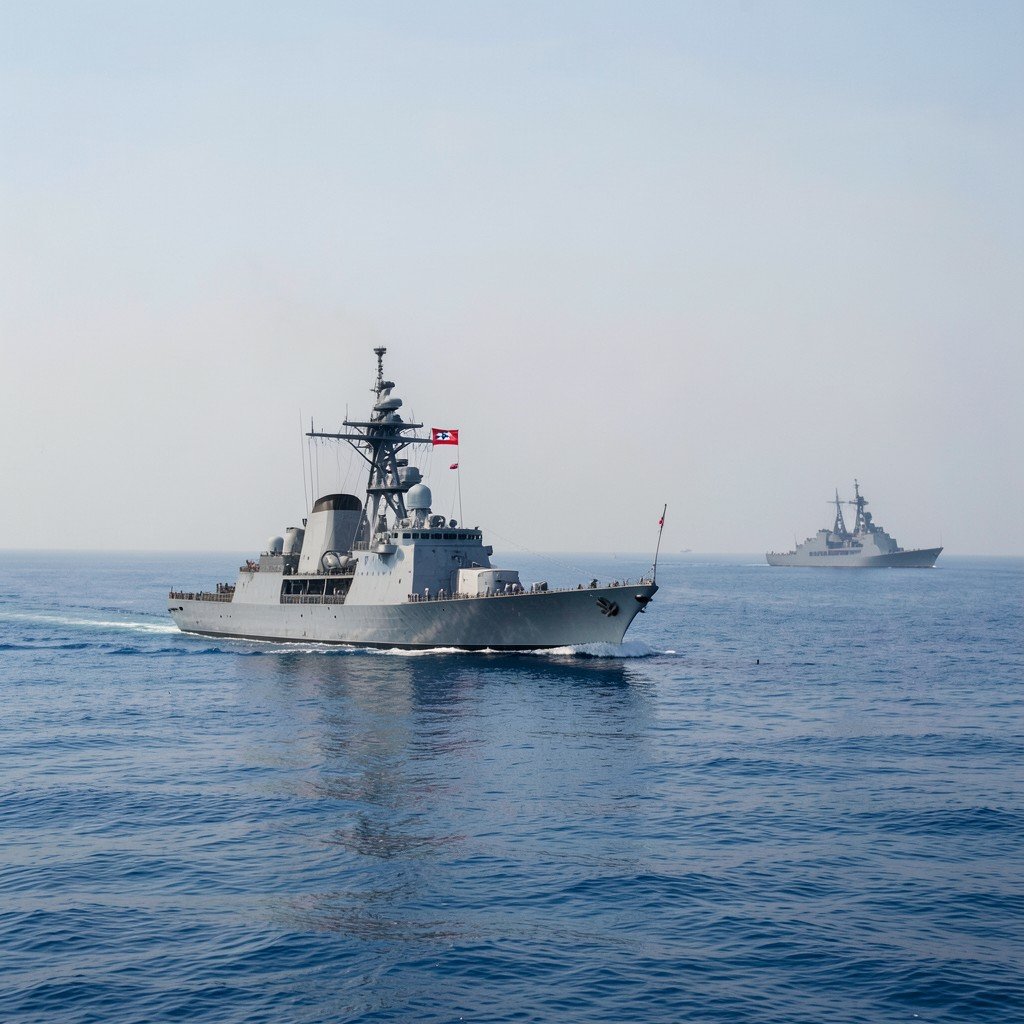
AI-generated representative image: A naval ship patrols the Red Sea, illustrating a multinational maritime coalition formed to safeguard freedom of navigation.
Editorial Team
Editorial Team
Thirteen nations join the multinational alliance to protect shipping through the Bab al-Mandeb Strait and Gulf of Aden

Saudi Arabia and 13 other countries have confirmed the creation of a maritime military coalition to safeguard freedom of navigation through the Bab al-Mandeb Strait, the Red Sea and the Gulf of Aden, with more nations expected to join.

The Saudi Ministry of Defence announced the development on Thursday, following the alliance's third meeting held on August 13 in Jeddah. Fifteen countries have signed a joint declaration, of which 13 have completed national procedures, signed the coalition charter and officially announced their accession.

The alliance takes shape as the United States-Israel war on Iran continues to disrupt the Gulf region's energy and civil infrastructure, and as Iran-backed Houthi fighters escalate attacks on Saudi-flagged vessels in the Red Sea. The coalition represents Riyadh's effort to frame maritime security threats as a global concern rather than a challenge Saudi Arabia must face alone.

The virtual closure of the Strait of Hormuz, which formerly carried about 20 percent of global oil and natural gas exports, is already weighing heavily on the global economy, raising the stakes for safeguarding alternative shipping routes.

Coalition Membership and Command

The first countries to sign up are Bahrain, Bangladesh, the Comoros, Djibouti, Egypt, Jordan, Kuwait, Pakistan, Qatar, Saudi Arabia, Somalia, Sudan, Turkiye and Yemen. The Saudi Ministry of Defence described the coalition as "an open international coalition that welcomes the accession of all countries that align with its goals and principles", adding that it continues to receive new membership applications.

The ministry has appointed Rear Admiral Abdullah bin Salem Al-Shehri as commander of the coalition. He will oversee joint naval defence, coordinate with member states and other maritime coalitions, and carry out missions under the coalition's charter.

  • Member states will exchange information and intelligence.
  • They will develop operational planning and conduct joint naval exercises and drills.
  • The alliance will build military capabilities and carry out joint naval operations.
Regional Tensions and Houthi Escalation

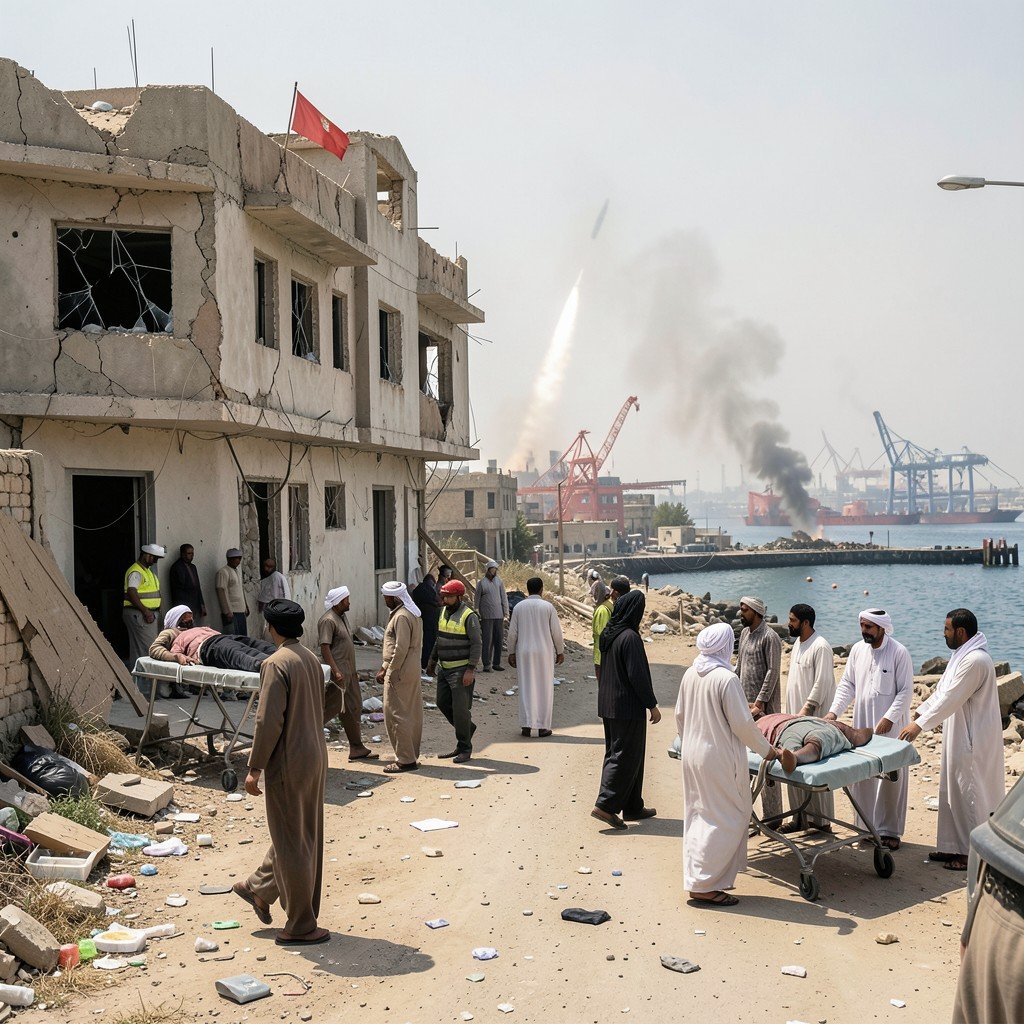
The Iran-backed Houthis took control of Yemen's capital Sanaa in 2014 and have since been fighting the Saudi-backed, internationally recognised government based in the port city of Aden. Tensions have worsened since the US-Israel war on Iran began with strikes on Tehran on February 28, with the Houthis launching strikes against Saudi-flagged vessels and oil facilities in the Red Sea.

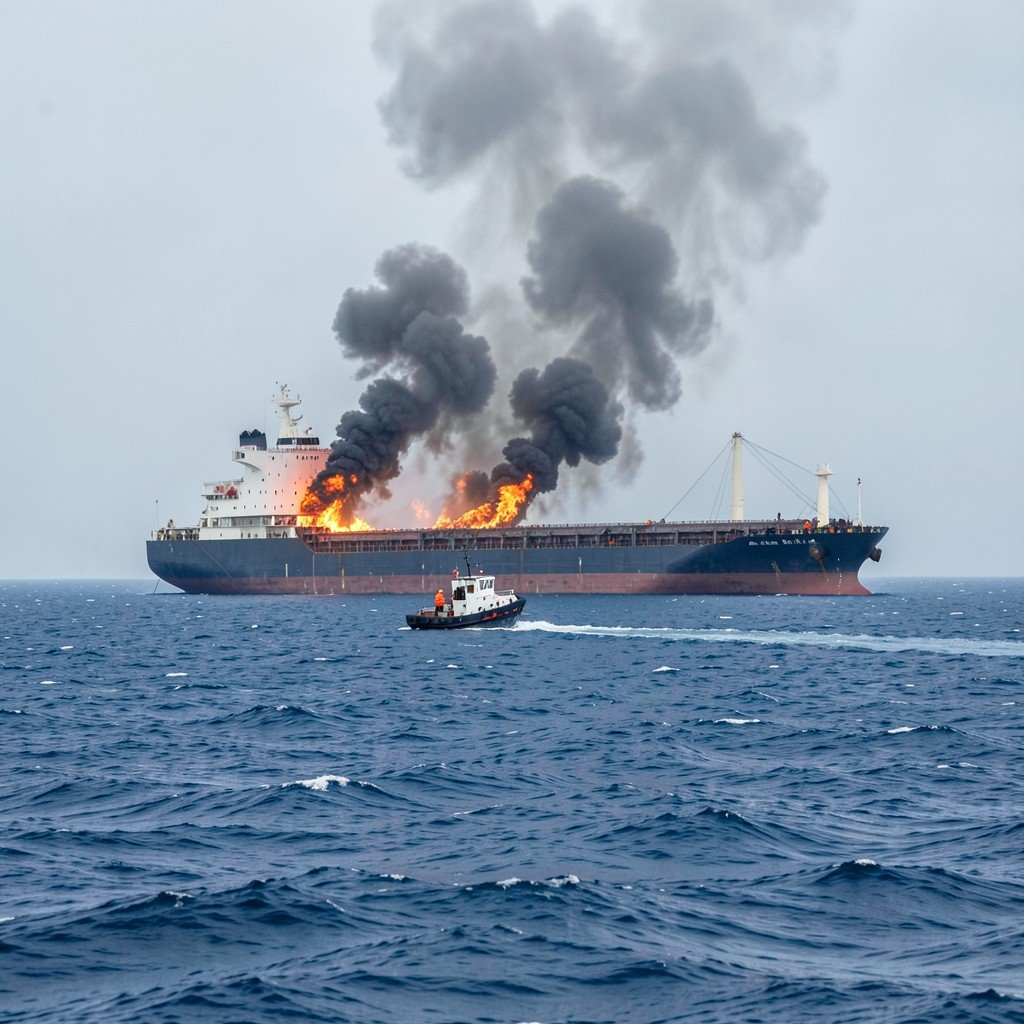
The escalating conflict has raised fears that the Houthis could fully block the Bab al-Mandeb Strait, a vital waterway connecting the Red Sea to the Gulf of Aden and a major global supply route. Recent attacks on Saudi-flagged ships along this route have underscored the urgency of a coordinated maritime response.

Analyst Assessment of the Alliance

Ahmed Nagi, International Crisis Group's senior analyst for Yemen, said the new maritime alliance could be significant, but its importance will depend on how effective it proves in practice. He noted that previous maritime security initiatives, including those established during the piracy crisis in the Gulf of Aden, often struggled to translate political commitments into tangible results.

Nagi described the alliance as "a largely defensive alliance", saying there has been no indication it is intended to launch offensive operations against the Houthis. He added that Riyadh may nonetheless decide to respond more directly if attacks continue, and that the coalition could provide a framework for Saudi Arabia to act with broader international backing.

"Ultimately, the goal is to raise the cost of Houthi attacks and create a stronger deterrent," Nagi said.

What Lies Ahead

The Saudi Ministry of Defence stated that the August 13 meeting "represents the actual launch of the coalition towards the stage of institutional and operational activation, while the rest of the countries continue to complete the necessary national procedures to join the coalition." Details of how the alliance will operate are still being formulated, and additional membership applications remain under review.

MORE LIKE THIS

Comments (0)

Leave a comment

A verified Gmail account is required to post comments.

No comments yet. Be the first to share your thoughts!