
Nepal Gen Z Protests One Year On: Reform Demands Partially Met
news

Nepal Gen Z Protests One Year On: Reform Demands Partially Met

By Editorial TeamSep 8, 2026 · 5:21 PM4 min read
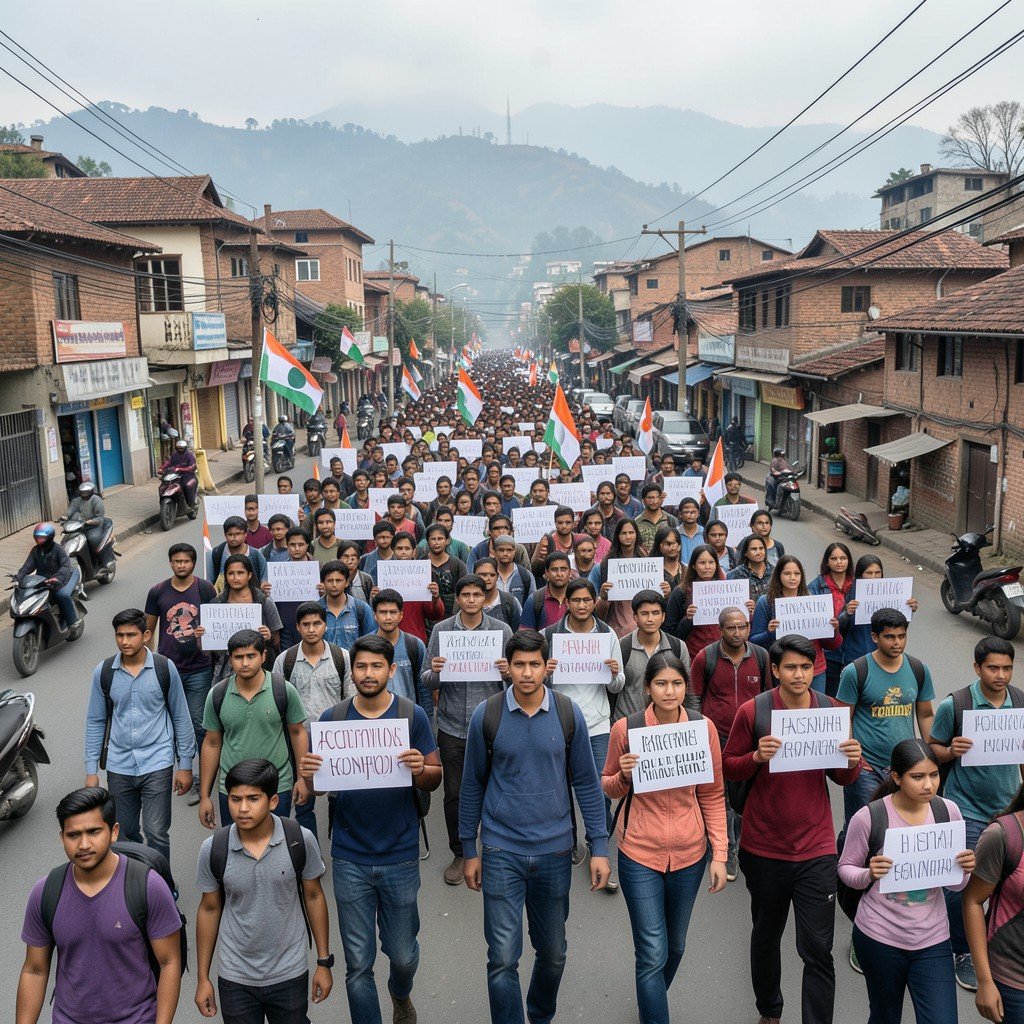
AI-generated representative image: Young Nepali demonstrators gather in Kathmandu a year after the Gen Z anti-corruption protests that reshaped the country's po
Editorial Team
Editorial Team
Balendra Shah's RSP-led government takes office amid unfinished anti-corruption and accountability reforms

One year after thousands of young Nepalis took to the streets against corruption, the Gen Z-led movement has reshaped the country's political landscape but left many of its core demands only partially fulfilled. The September 2025 protests forced Prime Minister KP Sharma Oli to resign, led to the formation of an interim government, and ultimately delivered a landslide victory in March 2026 for the anti-establishment Rastriya Swatantra Party (RSP), headed by 35-year-old Balendra Shah.

Yet as Nepal marks the anniversary while mourning catastrophic floods along its border with Tibet, analysts and activists say deep structural reforms, meaningful anti-corruption measures, and justice for detained protesters remain unresolved.

The anniversary is a pivotal test for a government that rode to power on the energy of a youth uprising. The movement's success in toppling the old political establishment raised expectations for sweeping change, but observers warn that failure to deliver could trigger a second wave of public disenchantment.

The story matters because it reveals how a popular uprising translates, or fails to translate, into lasting institutional reform, with implications for governance, accountability, and the treatment of protesters who made the movement possible.

Major Political Changes

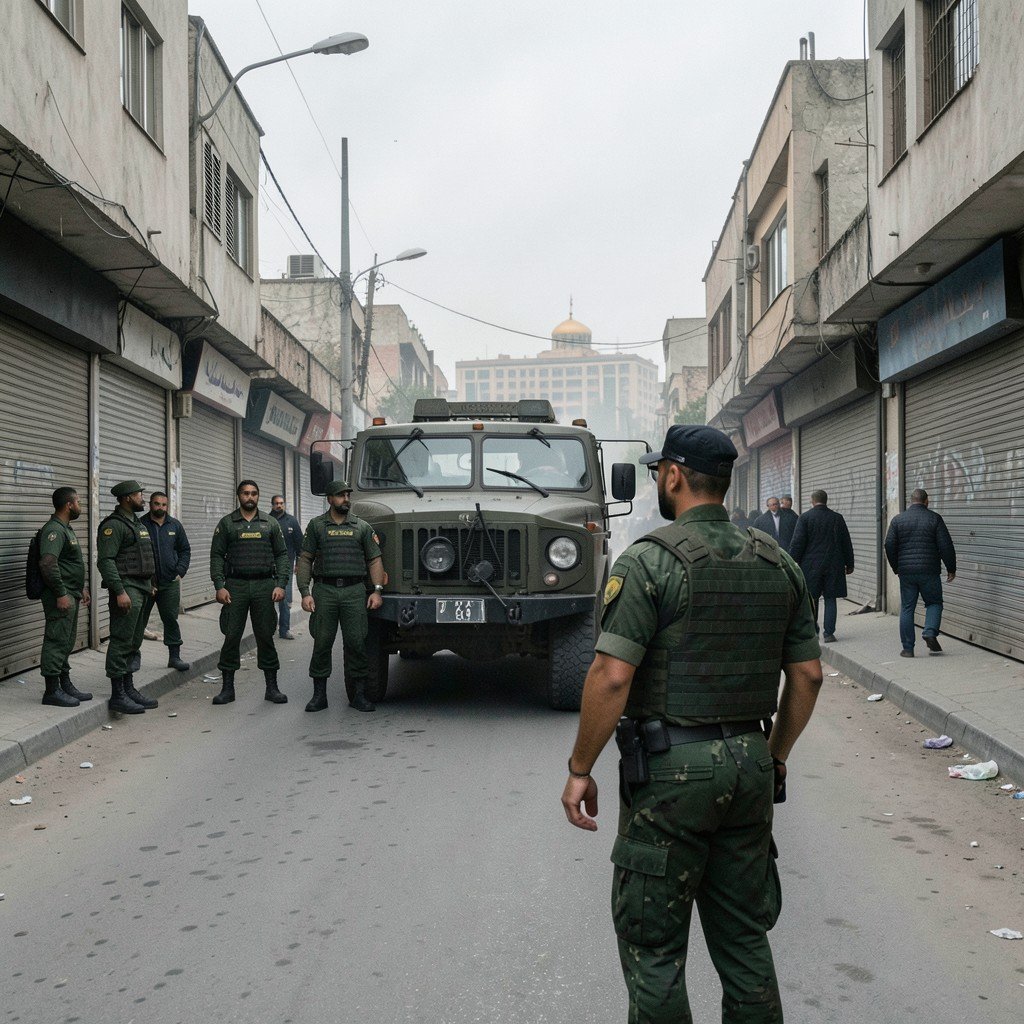
The protests, which began on September 8, 2025, in Kathmandu and other cities, were driven by anger over corruption scandals and the online displays of wealth by the children of government officials, dubbed "Nepo kids." Demonstrators defied curfews, and police fired live rounds, killing about 76 people, while hundreds more were injured or arrested. Protesters also set fire to several government buildings, including parliament.

Prime Minister Oli resigned on September 9, 2025, and former Chief Justice Sushila Karki was appointed interim prime minister within a week. In March 2026, Balendra Shah was sworn in as the country's youngest-ever prime minister after the RSP won more than two-thirds of the 165 directly elected parliamentary seats.

In March 2026, police arrested Oli and former Home Affairs Minister Ramesh Lekhak over the deadly crackdown, but both were released in April following a Supreme Court order. They remain under investigation but have not been formally charged.
Background of the Movement

The demonstrations erupted just days after Nepal blocked 26 social media platforms, including Facebook, Instagram, X, and TikTok, for failing to comply with government rules on "harmful" content. That ban was lifted when the protests began.

The protesters' demands fell into three broad categories. They sought an end to corruption and nepotism, calling for greater transparency and accountability from political elites. They demanded mass resignations, including that of Prime Minister Oli, and the suspension of officials who ordered fire on demonstrators. They also called for the dissolution of parliament, the establishment of an interim government, and fresh general elections.

Although Shah was not a street organiser of the protests, he became one of the movement's most prominent political figures, channelling Gen Z anger into a successful electoral campaign that reduced traditional parties such as the Nepali Congress and the CPN-UML to their smallest ever parliamentary presence.

Expert Assessment and Movement Divisions

Analysts describe a mixed record. Yog Raj Lamichhane, an assistant professor at Pokhara University, said the interim government "successfully conducted peaceful elections, leading to the emergence of a new political force in government." However, Dinesh Paudel, a professor at Appalachian State University, said the fundamental concerns raised by protesters "are still the same, and there are no governance style changes even after the new elected government, other than some populist rhetorics on small and cosmetic topics."

Bishnu Raj Upreti, research director at the Nepal Centre for Contemporary Research, noted that younger MPs remain "inexperienced and are still heavily controlled by party structures." A divide has also opened between activists in government and those outside it. In May 2026, 25 of 29 invited Gen Z activists boycotted a meeting on constitutional amendments, citing ignored systemic problems and earlier agreements.

Activist Aayush Basyal said more than 900 people officially remain jailed on arson charges, with the unofficial figure possibly exceeding 1,600. Many detainees come from poor, minority backgrounds and lack the influence to advocate for themselves.

What Lies Ahead

Analysts say structural reform remains the central unfinished task. Upreti noted the government has not begun changing existing laws, and Lamichhane said promised legal and policy reforms "have not yet been substantially realised." Experts also point to Nepal's highly centralised system and the need to build trust with neighbours India and China as obstacles and priorities.

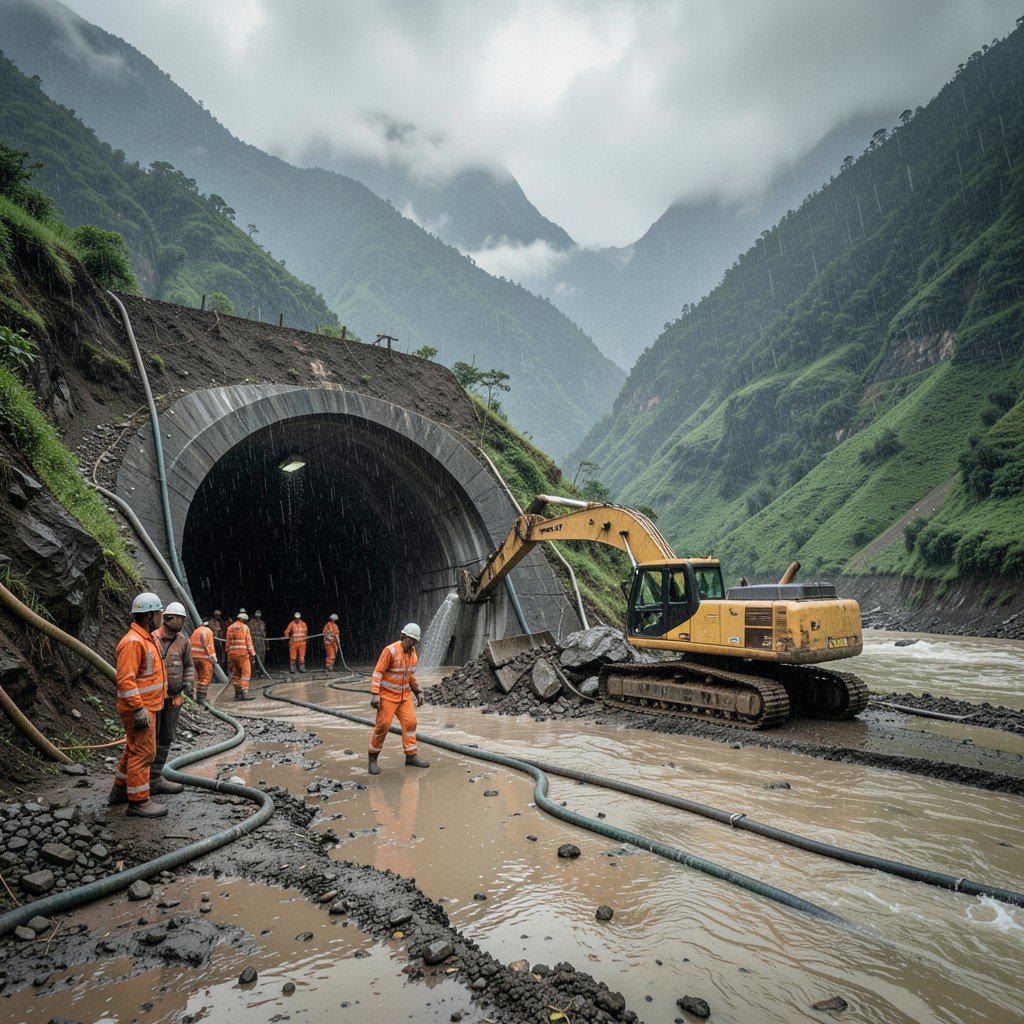
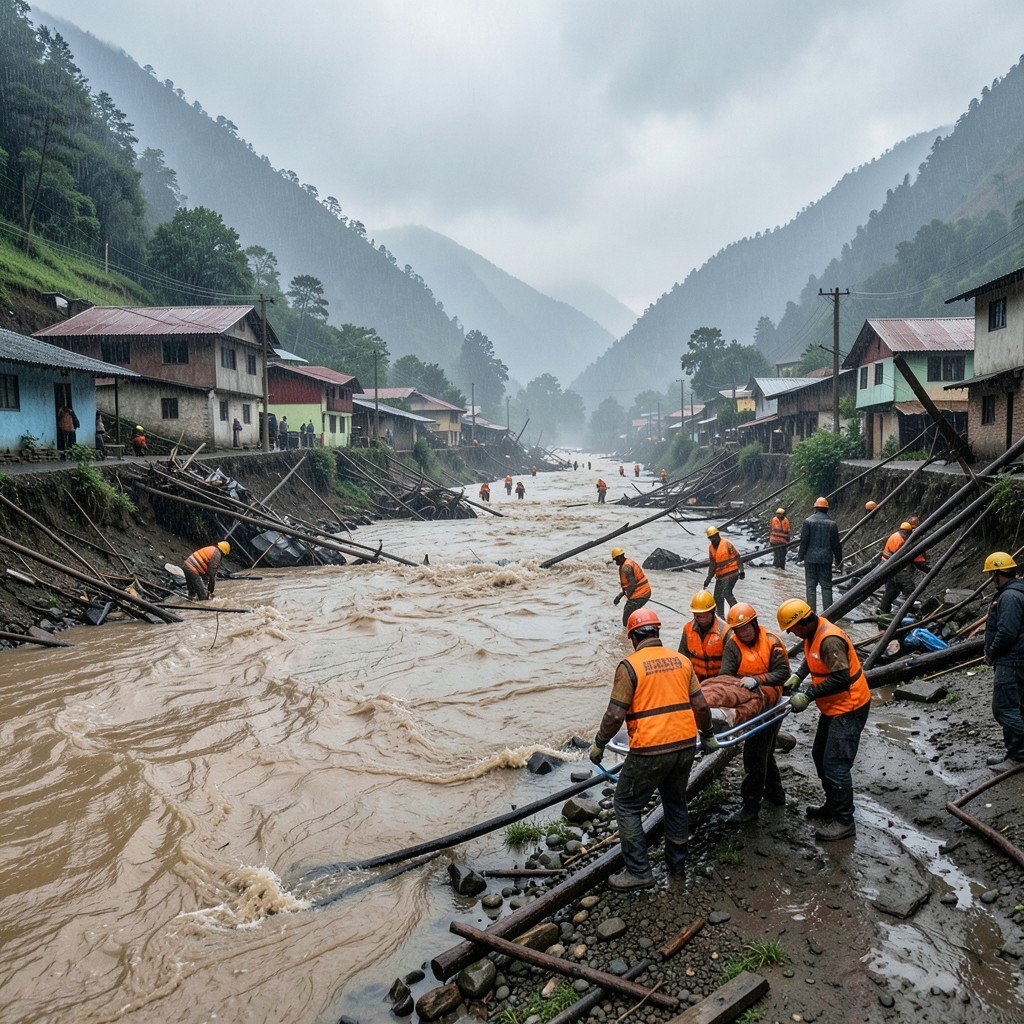
Basyal warned that the government's lack of transparency and an "expectation gap" between public hopes and government delivery could fuel a second wave of frustration. Meanwhile, flags flew at half-mast on Monday as the country mourned more than 1,300 people confirmed dead in floods along the Tibetan border, with thousands still missing. Confirmation of further government action on reform and detainee treatment is still awaited.

MORE LIKE THIS

Comments (0)

Leave a comment

A verified Gmail account is required to post comments.

No comments yet. Be the first to share your thoughts!