
Iran IRGC Ballistic Missile Strike on US Base in Jordan Escalates Tensions
news

Iran IRGC Ballistic Missile Strike on US Base in Jordan Escalates Tensions

By Editorial TeamJul 29, 2026 · 6:07 AM4 min read
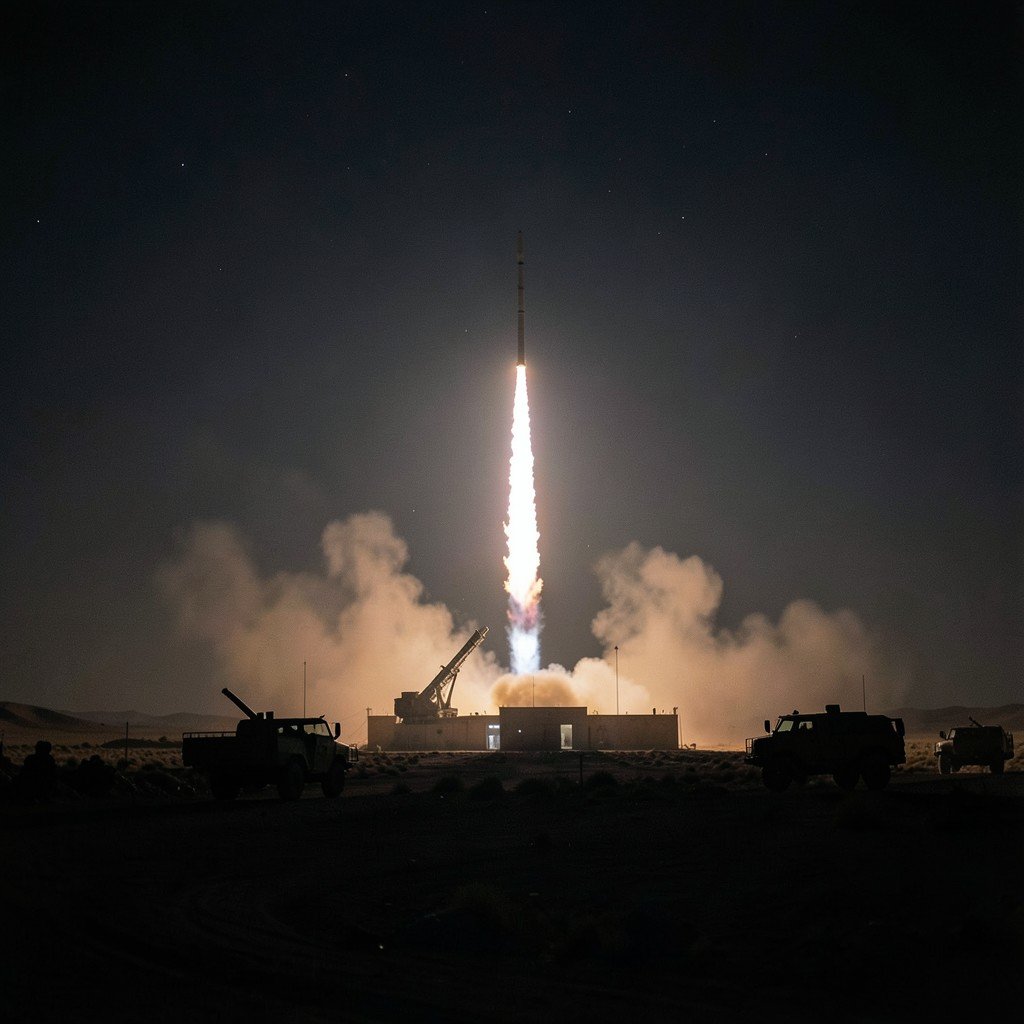
AI-generated representative image: A ballistic missile launch at night, symbolizing the reported IRGC strike on a US military base in Jordan.
Editorial Team
Editorial Team
IRGC Aerospace Force confirms ballistic missile attack on US military command center in Jordan, citing retaliation for American aggression

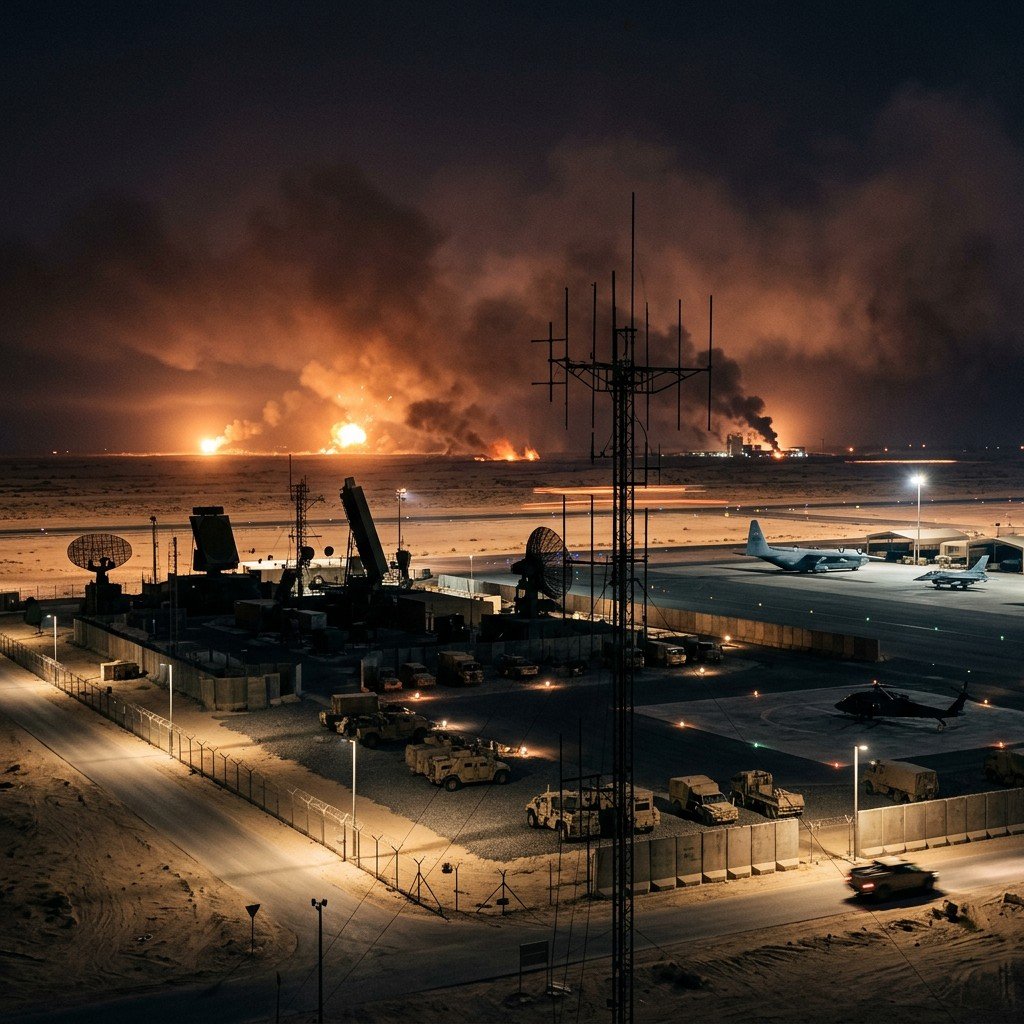
Iran's Islamic Revolution Guard Corps (IRGC) Aerospace Force launched several ballistic missiles at a US Army command center and air base in Jordan on Wednesday morning, the IRGC announced in an official statement. The strike, which the IRGC described as a direct response to what it called "aggressive actions of the child-killing US army," marks a significant escalation in tensions between Washington and Tehran following months of alleged US violations against Iranian territory.

The missile attack represents a dangerous new phase in the ongoing confrontation between Iran and the United States, which has persisted despite diplomatic efforts to de-escalate. The strike underscores the fragility of a Pakistan-mediated ceasefire agreement signed last month and raises urgent questions about the stability of the broader Middle East security landscape, particularly given Jordan's strategic position and the involvement of ballistic missile capabilities.

What the IRGC Statement Said

The IRGC Aerospace Force Command issued its statement on Wednesday morning confirming the missile strike, which it said had occurred approximately one hour before the announcement. According to the statement, the attack targeted a US Army command center and an air base located in Jordan using multiple ballistic missiles.

The IRGC warned that further retaliation would follow if what it termed threats and illegal actions by US forces against Iranian interests continued. "As long as the threats against the Islamic Republic of Iran continue and the illegal and evil actions of the US forces against Iran's interests are ongoing, the resistance will continue," the statement read. It concluded with a direct demand: "The threats of the US authorities and illegal interventions against our interests must stop."

Months of Escalating Tensions

The missile strike is the latest in a series of confrontations dating back to April 7, when US President Donald Trump declared a unilateral ceasefire in what Iranian officials have characterized as a broader campaign of American-Israeli aggression against the Islamic Republic. According to the IRGC, the United States has committed numerous violations against Iranian territory since that date.

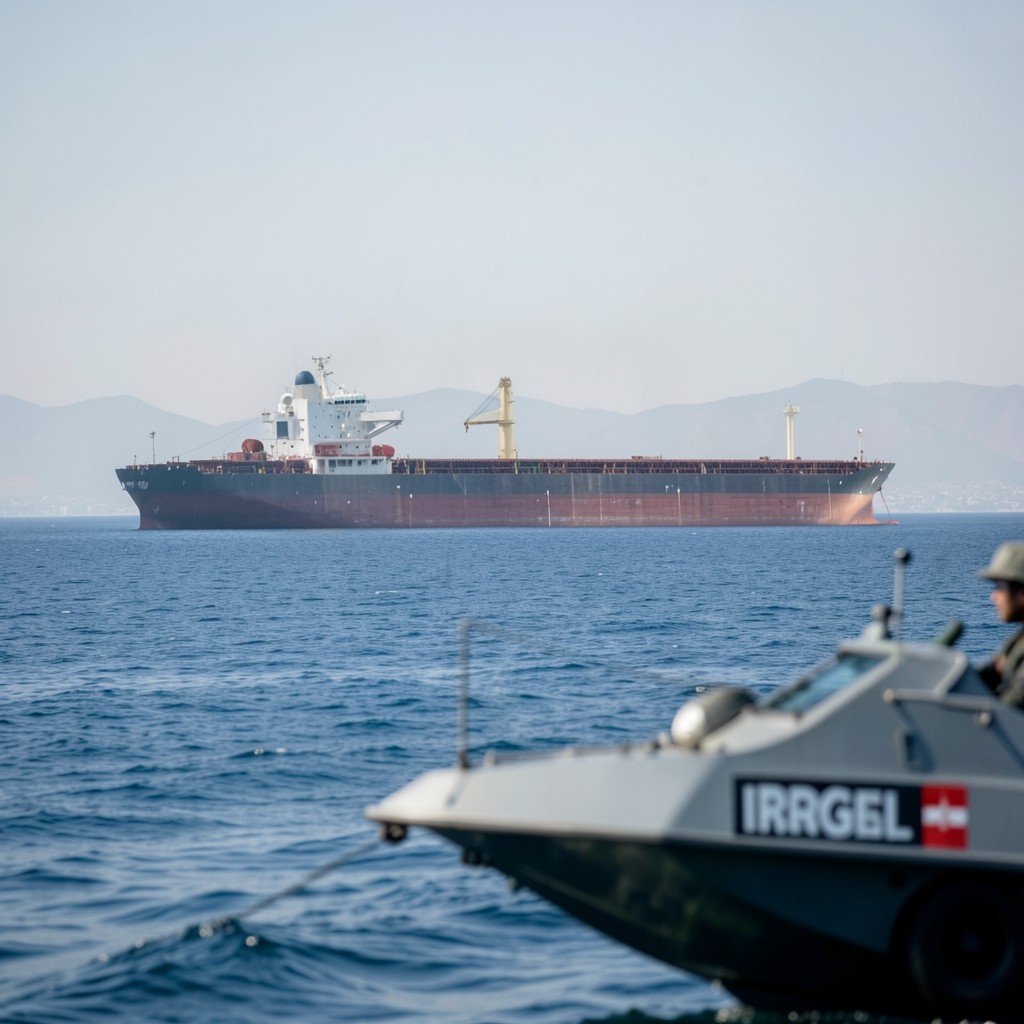
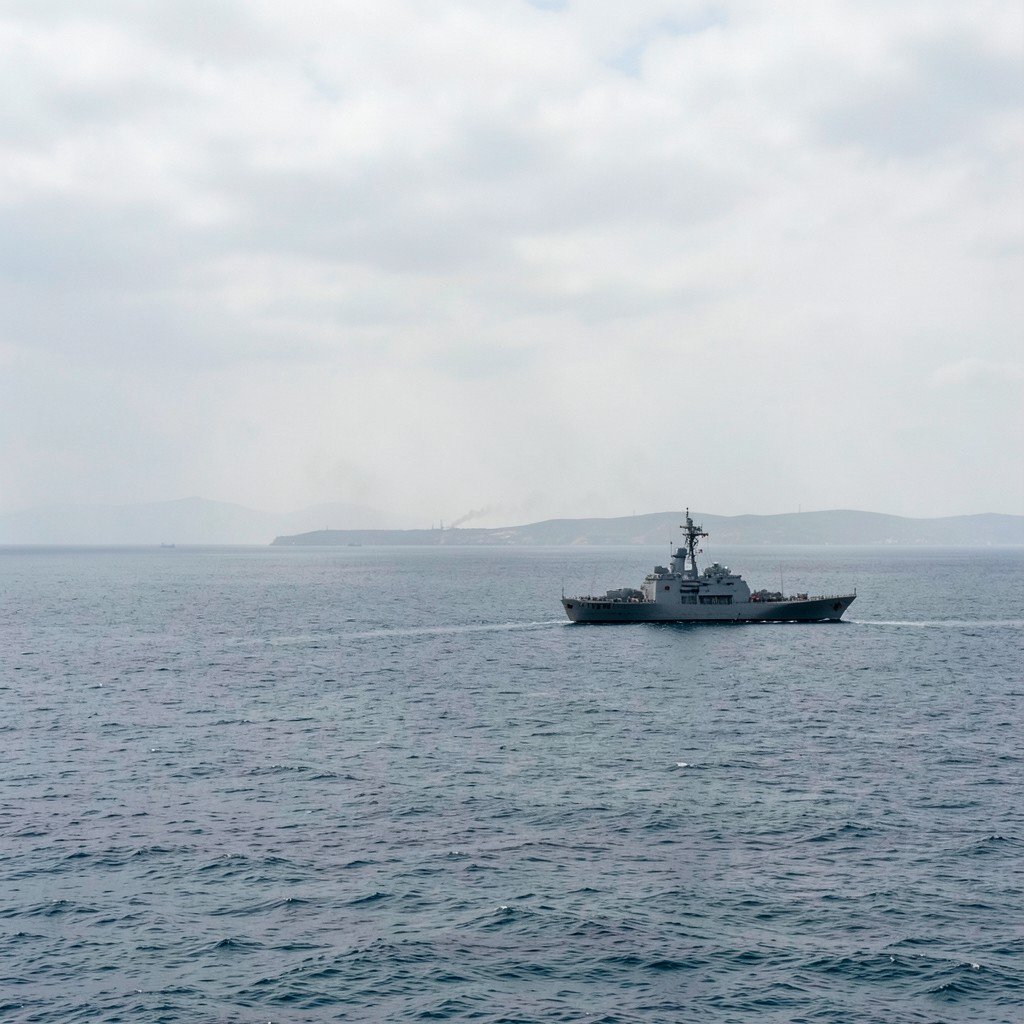
These violations reportedly continued even after Washington and Tehran signed a memorandum of understanding brokered by Pakistan last month. The first clause of that agreement explicitly mandated a cessation of aggression on all fronts. As part of the MoU, Iran designated a specific maritime route for safe and legal passage through the strategically vital Strait of Hormuz. However, Iranian authorities allege that the US has actively worked to help vessels bypass this route by escorting ships through what Tehran describes as an illegal passageway.

Iran's Armed Forces have responded with what they call uncompromising retaliation to each instance of violation, including those related to the disputed vessel movements in the Strait of Hormuz.

Details of the Strike and Official Statements

The IRGC Aerospace Force Command's statement characterized the operation as having been carried out by what it described as "the brave warriors of the IRGC Aerospace Force." The exact number of missiles launched, the specific location of the targeted base in Jordan, and details regarding casualties or damage have not been independently confirmed at this stage.

The IRGC's framing of the attack as retaliation for "child-killing" US military actions reflects the heightened rhetoric that has accompanied the military exchanges between the two nations. The statement also emphasized that the resistance would persist as long as US threats and what it called illegal interventions against Iranian interests remained ongoing.

What Comes Next

As of Wednesday morning, there has been no immediate official response from the United States government or the US military regarding the reported missile strike in Jordan. The situation remains highly volatile, with the IRGC explicitly stating that further military action remains possible if US activities deemed threatening by Tehran continue. Independent verification of the strike's impact, including any casualties or structural damage, is still awaited. The incident is likely to draw urgent diplomatic attention given the involvement of Jordanian territory and the potential for broader regional escalation.

MORE LIKE THIS

Comments (0)

Leave a comment

A verified Gmail account is required to post comments.

No comments yet. Be the first to share your thoughts!