
Iranian Students Return to Classrooms Amid Renewed Attack Fears
news

Iranian Students Return to Classrooms Amid Renewed Attack Fears

By Editorial Team•Sep 28, 2026 · 11:48 AM•4 min read
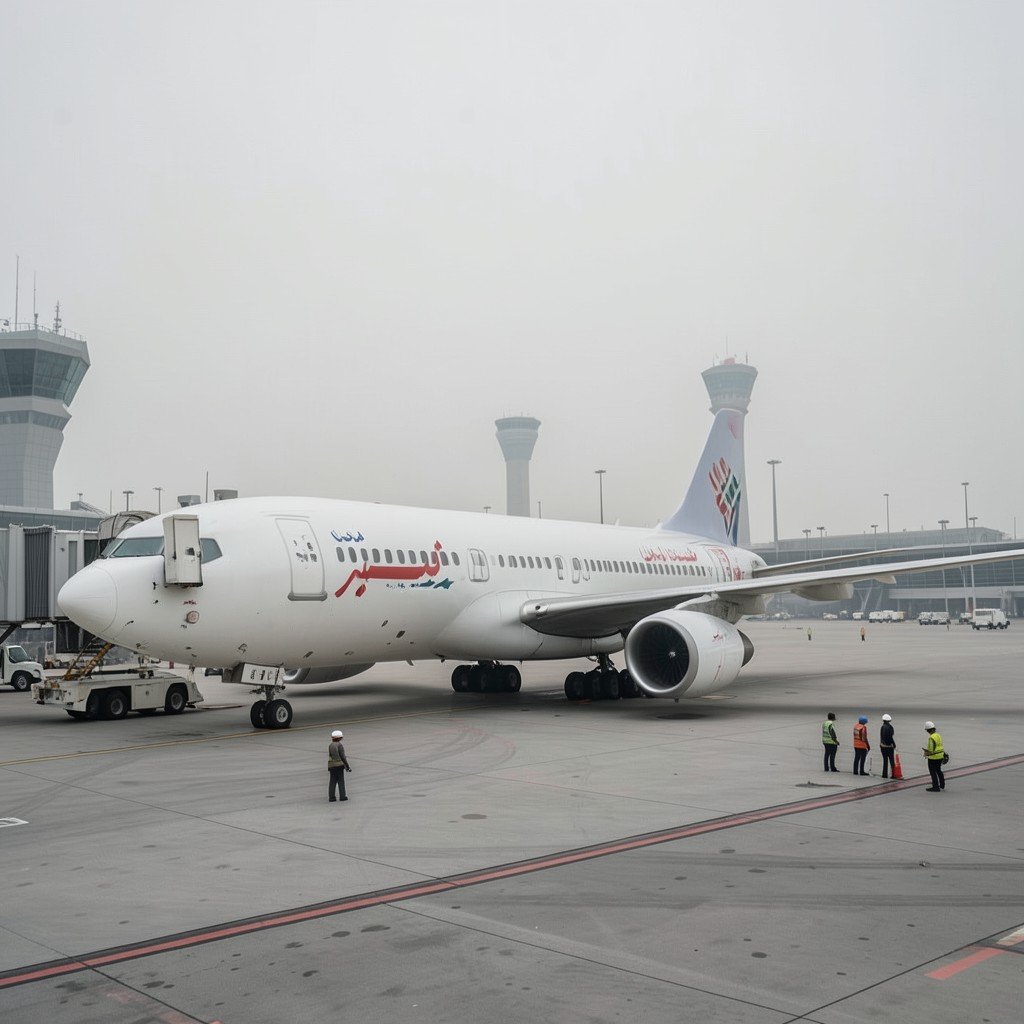
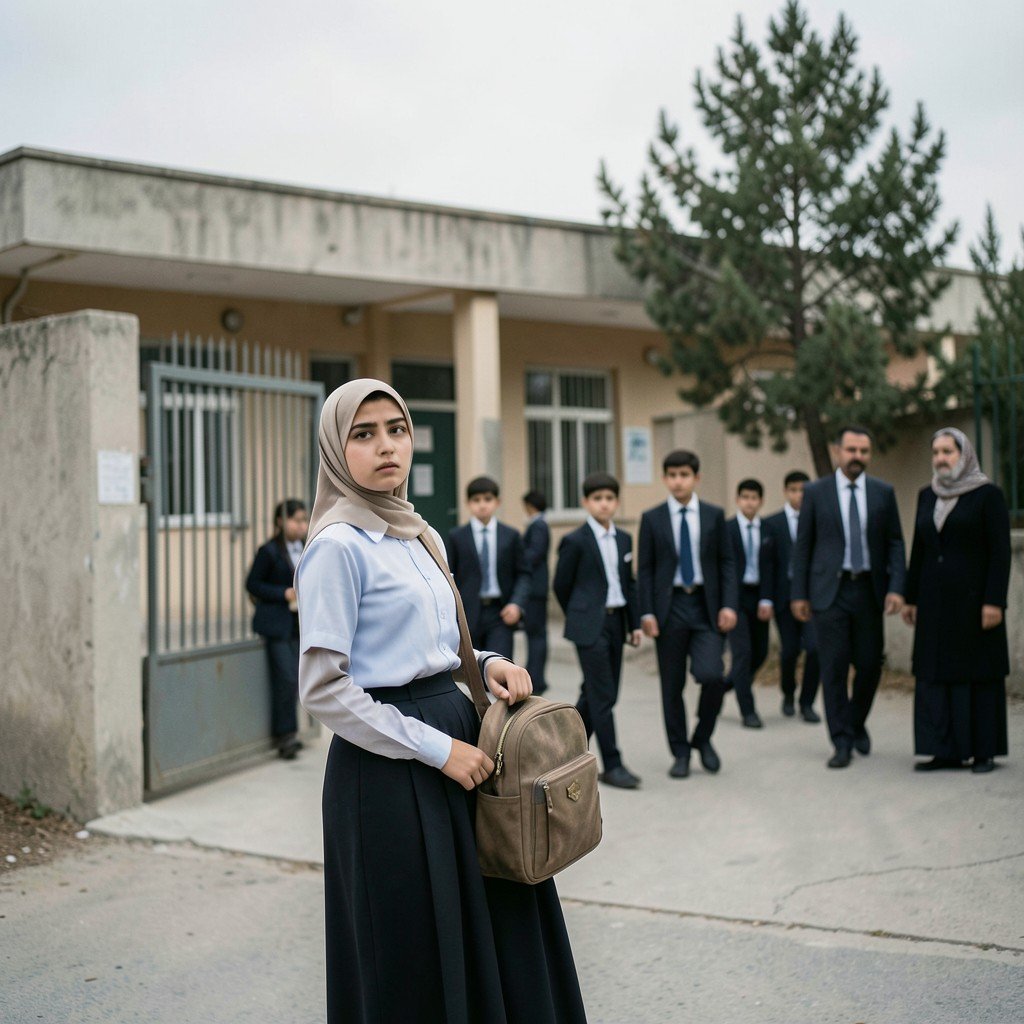
AI-generated representative image: Iranian schoolchildren return to classrooms amid lingering anxiety after recent conflict.
Editorial Team
Editorial Team
Children across Iran resume in-person schooling after months online, while southern provinces like Minab stay virtual over US strike threats.

Iranian children began returning to classrooms last week for the new school year, but the shadow of the US-Israel war that began on February 28 continues to hang over the country. While most students resumed in-person learning, schools and universities in southern provinces, including Minab, will remain online for the first two weeks due to the threat of renewed US bombing.

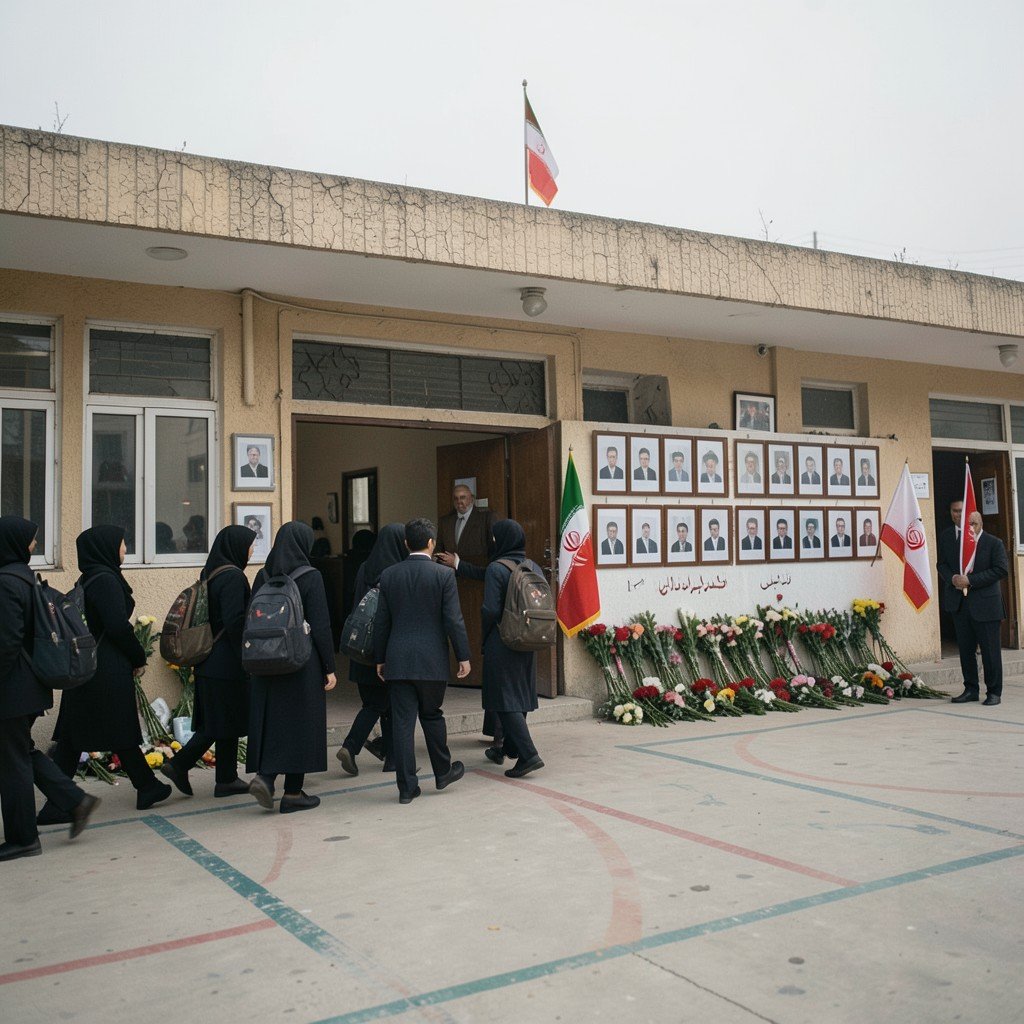
The reopening comes months after a double-tap US strike near the Shajareh-ye Tayyebeh Elementary School in Minab killed at least 120 children and 35 adults on the first day of the conflict, a trauma that parents and teachers say remains deeply felt.

The return to classrooms marks a fragile step toward normalcy in a country where education was severely disrupted by war. For families directly affected by the Minab bombing, and for parents across Iran, the reopening has reignited anxiety about the safety of their children and the stability of schooling.

The situation also highlights broader questions about how Iran's education system can function under the continuing threat of renewed violence.

School Reopening and Regional Restrictions

Children resumed in-person classes last week for the start of the school year. However, in Iran's southern provinces, including Minab, classes at schools and universities will stay online for the first two weeks because of the threat of renewed US bombing.

Online learning had become the medium of schooling since the US and Israel launched their war on February 28. When the conflict began, all schools in Iran were closed as US and Israeli jets carried out surprise air raids across the country.

At Shajareh-ye Tayyebeh Elementary School, a new building has been constructed where the original was destroyed, but the school day was short, with students attending for roughly an hour to hear the bell ring for the start of the new year.

The Minab Bombing and Its Aftermath

The Shajareh-ye Tayyebeh Elementary School was starting the school week on the Saturday the bombing began. Students were being evacuated when a double-tap US strike near the school killed at least 120 children and 35 adults.

Parents across Iran still recall cars crawling through traffic-jammed roads as they tried to reach their children, along with repeated calls to schools for information. Some abandoned their vehicles in the middle of the street and continued on foot.

The Ministry of Education reported that 1,288 schools were directly or indirectly damaged during the war, with many since repaired and new classrooms built. The ministry is also introducing a "Sacrifice and Martyrdom Bell" into the school curriculum to help students learn about the impact of the two recent US-Israel wars on Iran.

Parents and Teachers Describe Persistent Anxiety

Meysam, the father of an 11-year-old in Tehran, described an enduring fear of another emergency. "I can't shake the anxiety that if the war starts again and they call us and tell us to come pick up our children from school, how long it will take me to get myself to the school and bring my child home," he said. Like other parents interviewed, he used only his first name due to security concerns.

Hossein, the father of a first-grade student in Tehran, said the memories lingered as he dropped his child off. "Today, too, when I left my child at school and went back to work, I couldn't shake the thought that the war might start again and a missile could hit the school," he said.

Faramarz, a 39-year-old teacher from Minab, lost his wife and one of his children in the school attack. "We were a family of four whose life was intertwined with the school. Half of this family is gone now. I live with this lump in my throat. I feel like I have nothing left to lose," he said. "In the schoolbag of my seven-year-old daughter, who was killed at school, was nothing but a handful of dreams that no longer exist. Schools are reopening, but I feel that my life will never return to normal."

Preparing for an Uncertain Future

The Education Ministry said online learning infrastructure has been strengthened so schools will face fewer difficulties if forced to return to virtual teaching. Amir, a 37-year-old high school teacher on the outskirts of Tehran, said four of the nine months of the past school year were spent online, which damaged student-teacher relations and made establishing routines almost impossible.

Teachers are being advised to carry out as many group activities as possible during the first months of the year because of concerns the war could resume. Zeinab, an elementary teacher in Tehran, noted that if education moves online again, students without internet access will be left out. A video released on the first day of school showed a student from Shajareh-ye Tayyebeh expressing sorrow that departed friends would not attend classes, saying, "I miss them."

MORE LIKE THIS

Comments (0)

Leave a comment

A verified Gmail account is required to post comments.

No comments yet. Be the first to share your thoughts!