
Drone Strike Hits Saudi Arabia's Abqaiq Oil Processing Hub
news

Drone Strike Hits Saudi Arabia's Abqaiq Oil Processing Hub

By Editorial TeamJul 29, 2026 · 7:37 PM3 min read
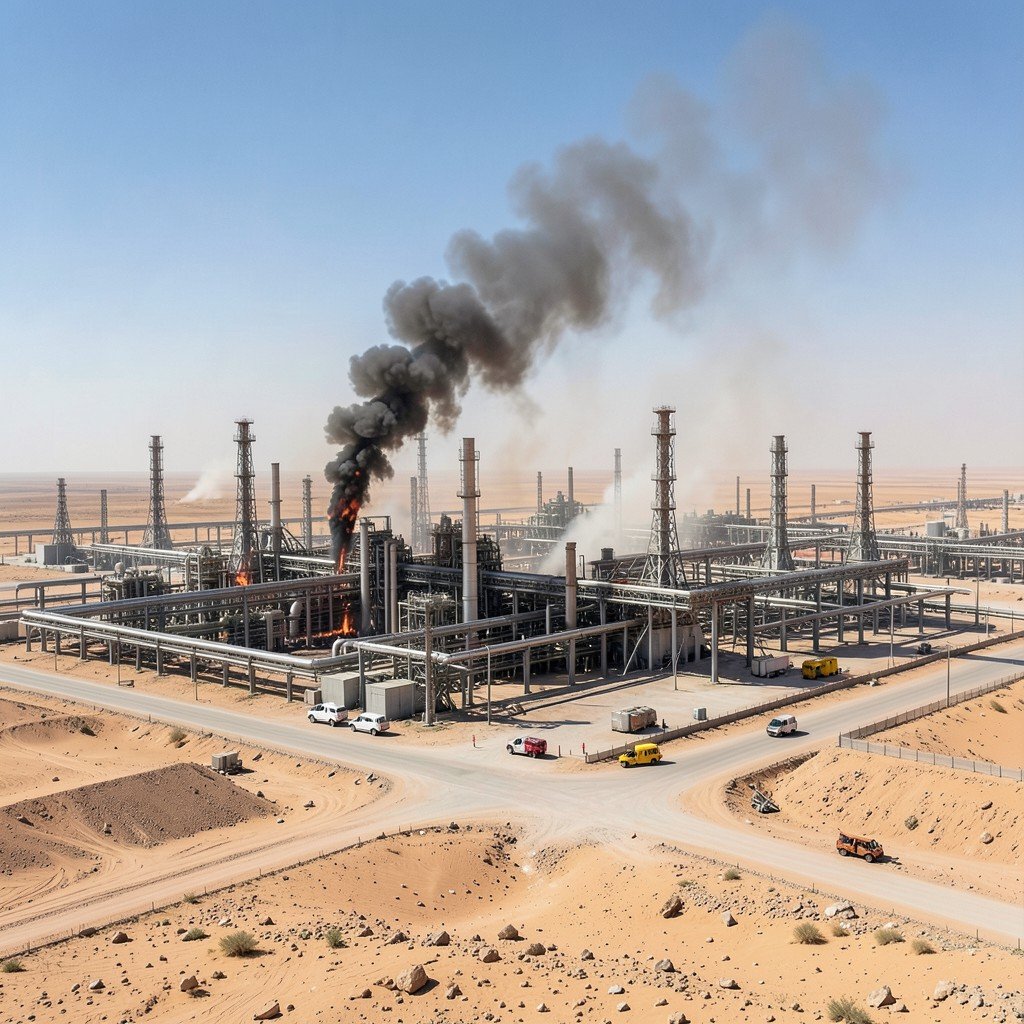
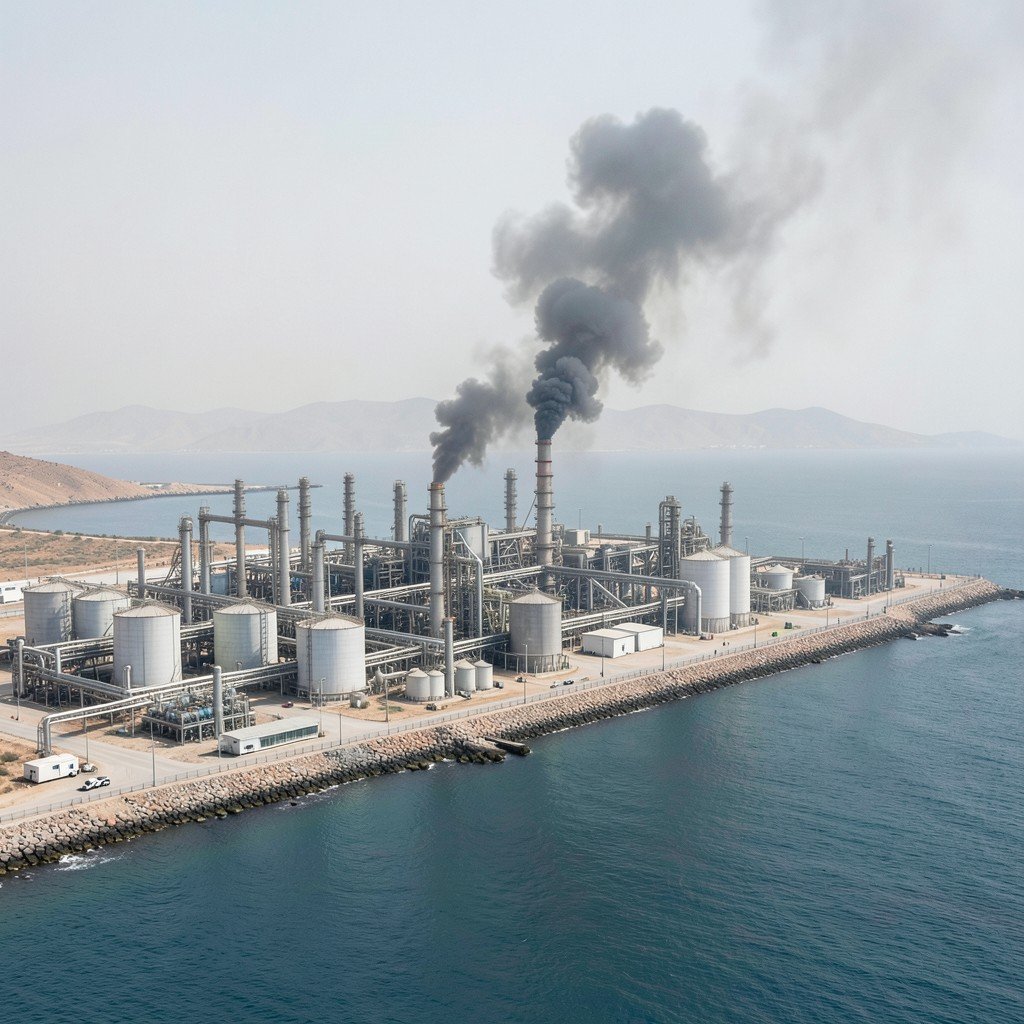
AI-generated representative image: Smoke rises from Saudi Arabia's Abqaiq oil processing facility following a reported drone strike on the critical energy infra
Editorial Team
Editorial Team
Yemen's Houthis claim responsibility as satellite imagery confirms damage at the world's largest crude stabilization facility

Saudi Arabia's Abqaiq crude oil processing complex, the largest such facility in the world, was damaged in a drone strike on Monday, according to satellite imagery reviewed by open-source analysts and a Gulf official cited by the Wall Street Journal.

Yemen's Houthi movement claimed responsibility for the attack, which targeted critical infrastructure linking the Kingdom's eastern oil fields to the Red Sea export terminal at Yanbu. Saudi authorities acknowledged the strike and attributed it to Iran-backed militias operating from Iraq.

The Abqaiq facility processes approximately 5% of global crude oil supplies, making any disruption to its operations a matter of international energy security. The attack signals a significant escalation in the Houthis' campaign against Saudi energy infrastructure and comes amid widening regional tensions involving Iran, Israel, and the United States.

What the Strike Targeted

Online satellite imagery shows a large smoke plume rising from the Abqaiq complex alongside burn marks and visible damage around parts of the facility. Houthi military spokesman Yahya Saree described the strikes as hitting "targets and sensitive points in the supply and transport of crude oil from eastern Saudi Arabia to Yanbu."

The Wall Street Journal, citing a Gulf official, reported that the complex sustained only minor damage. Saudi Arabia confirmed its oil infrastructure in the Eastern Region had been targeted but blamed Iran-backed militias in Iraq rather than the Houthis directly.
Abqaiq's Strategic Importance

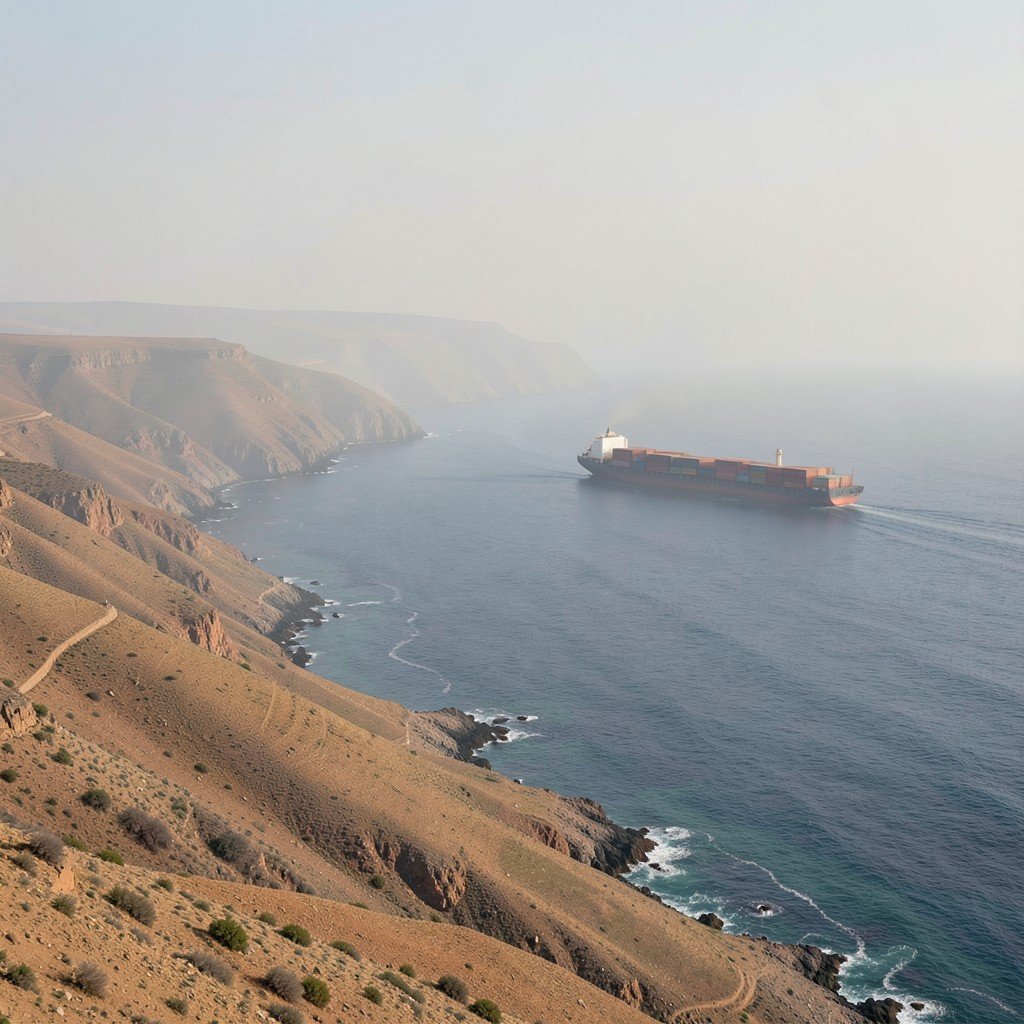
Located in Saudi Arabia's Eastern Province, Abqaiq is the world's largest oil stabilization facility, preparing roughly 5% of global crude supplies for transport. Crude travels from Abqaiq via the East-West pipeline to the Yanbu export terminal on the Red Sea, from where shipments reach Europe through the Suez Canal or Asia via the Bab el-Mandeb strait.

Reuters analysis identifies the East-West pipeline as Riyadh's primary alternative to the Strait of Hormuz. Any sustained disruption to this corridor would constrain the Kingdom's export options and place additional pressure on global oil markets. The Houthis have threatened to impose a blockade on Saudi Arabia after Riyadh resumed military operations against Houthi targets in Yemen, framing their attacks as retaliation for Saudi airstrikes.

Regional Tensions and Gulf Vulnerability

The Associated Press has reported that Gulf officials privately expressed frustration that the Trump administration did not warn them before the US-Israeli military strike on Iran in February. These officials believe American military resources were concentrated on protecting US and Israeli assets, leaving Gulf partners exposed to retaliatory attacks from Iranian-aligned groups.

Iranian-aligned factions have increasingly targeted American allies and energy infrastructure across the Middle East as the broader conflict involving Iran, Israel, and the US continues to widen. The Abqaiq strike represents the latest in a pattern of attacks on critical energy facilities in the region.

Current Situation

The Abqaiq facility has sustained what officials describe as minor damage, and Saudi Arabia has publicly attributed the strike to Iran-backed militias in Iraq. The Houthis, however, have claimed direct responsibility and warned of further operations against Saudi energy infrastructure. No official assessment of operational impact on oil processing or export capacity has been released.

MORE LIKE THIS

Comments (0)

Leave a comment

A verified Gmail account is required to post comments.

No comments yet. Be the first to share your thoughts!