
US LNG Exporters Reap Windfall as Iran Conflict Disrupts Global Gas
news

US LNG Exporters Reap Windfall as Iran Conflict Disrupts Global Gas

By Editorial TeamJul 27, 2026 · 1:27 PM3 min read
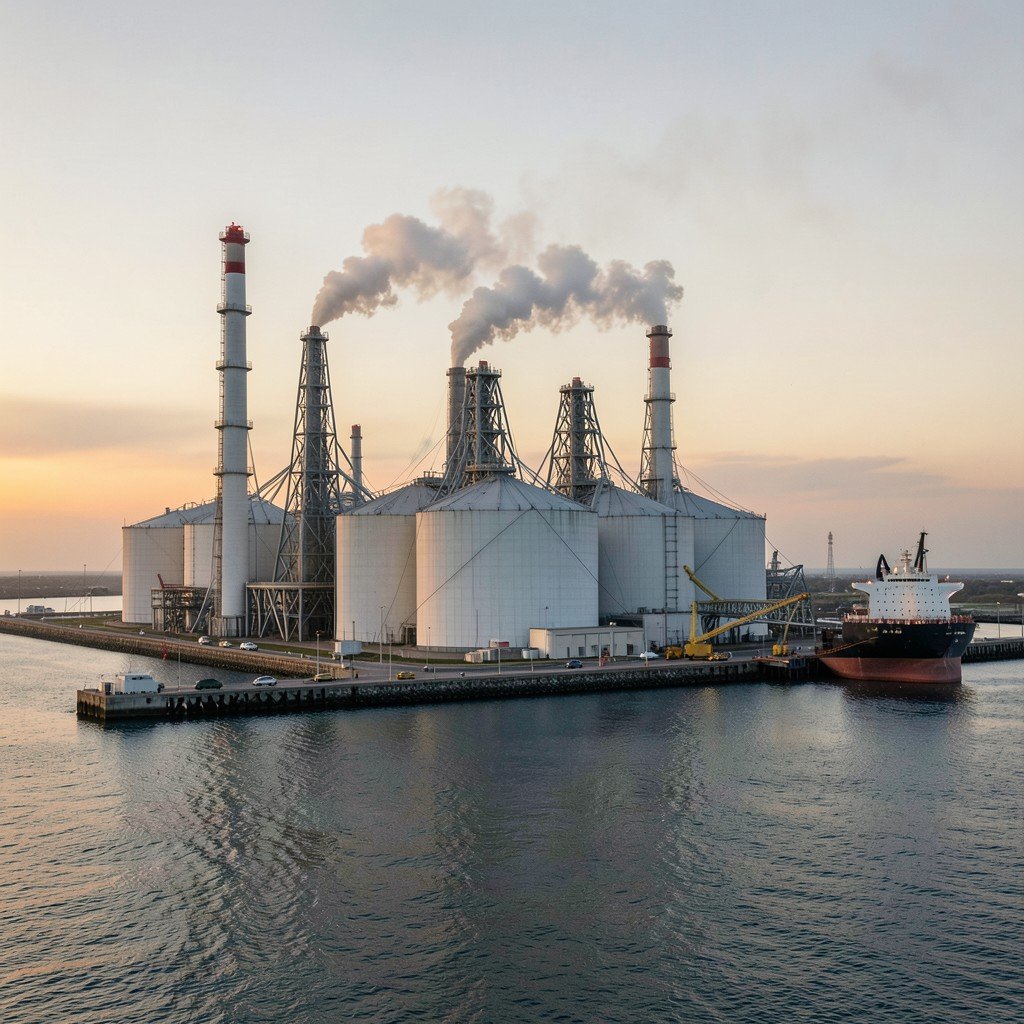
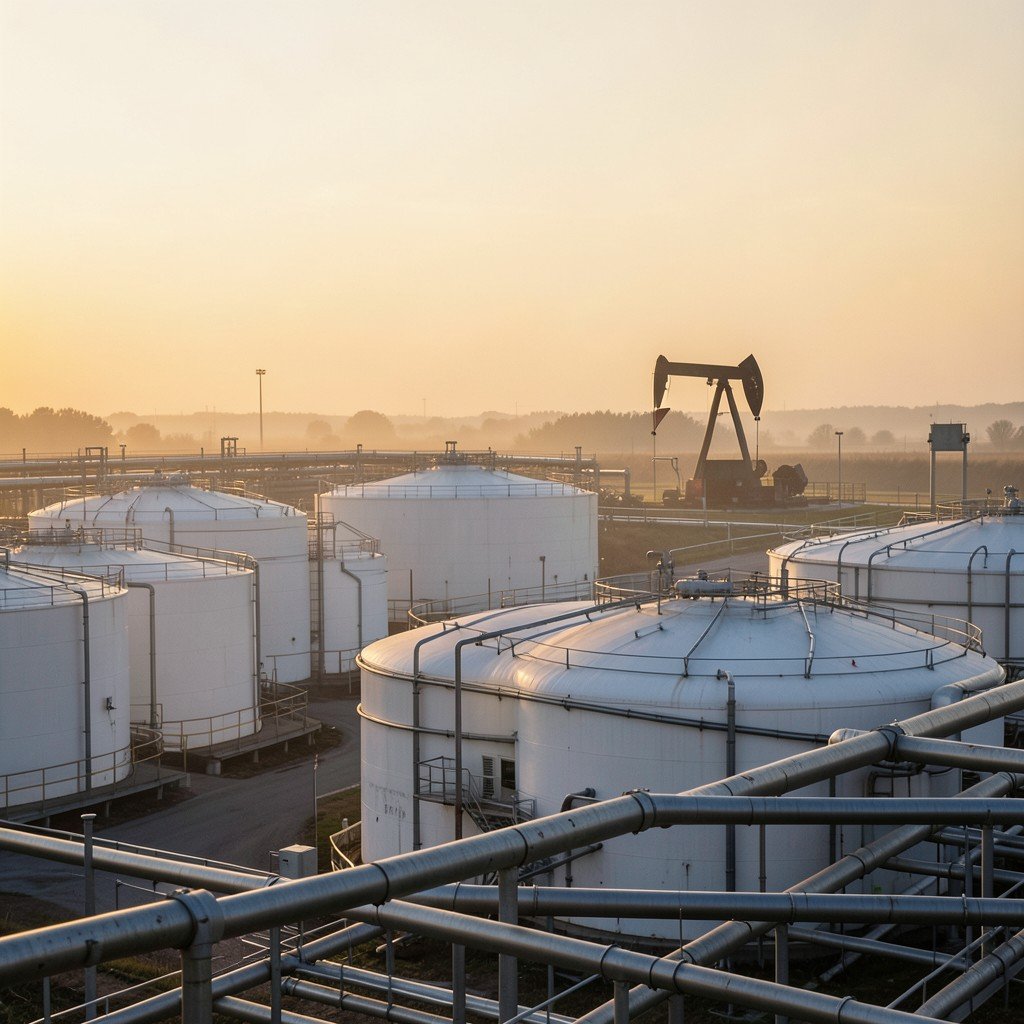
AI-generated representative image: An LNG export terminal along the US Gulf Coast, as American producers benefit from disrupted global gas supplies amid the Ira
Editorial Team
Editorial Team
Venture Global posts 69% surge in liquefaction fees as Qatari exports stall and Asian spot prices double

US liquefied natural gas exporters are recording sharp revenue gains from the Iran conflict, with Venture Global reporting a 69% jump in its average liquefaction fee for the second quarter, according to a regulatory filing released Wednesday.

The disruption of Qatari LNG supplies, which account for roughly one-fifth of global exports, has driven Asian spot prices to more than double and kept European prices nearly 50% above pre-war levels, creating a supply gap that American producers have moved aggressively to fill.

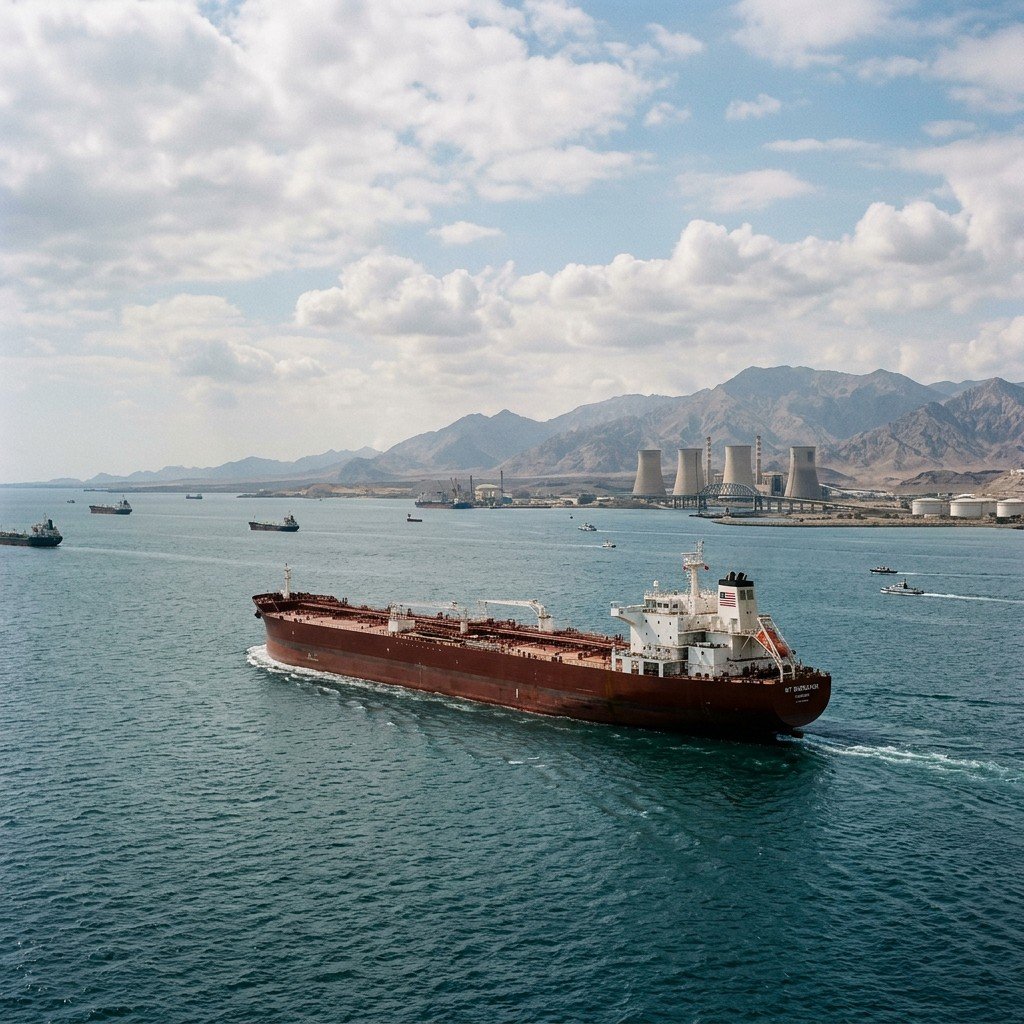
The financial windfall underscores how the Middle East conflict, triggered by the US-Israeli bombing campaign on Iran in late February, has reshaped global energy markets. European nations remain particularly vulnerable after pivoting from Russian pipeline gas to costly US LNG imports, leaving them exposed to price spikes driven by instability in the Strait of Hormuz.

Quarterly Earnings Surge

Venture Global, the second-largest US LNG supplier, reported its implied weighted average fixed liquefaction fee climbed to $6.45 per million British thermal units (TBtu) in the second quarter, up from $3.82 in the first quarter. The company exported 127 LNG cargoes during the period: 37 from its Calcasieu Pass terminal and 90 from its Plaquemines facility, compared to 38 and 92 cargoes respectively in the prior quarter.

The company benefits from greater exposure to the spot market than many US rivals, which primarily sell under long-term contracts. Spot cargoes allow exporters to capitalize more rapidly on global price surges triggered by supply disruptions.

Analysts also identified Cheniere Energy as another likely beneficiary of the conflict, as ongoing uncertainty around the Strait of Hormuz continues pushing global gas prices higher.
Conflict and Supply Chain Collapse

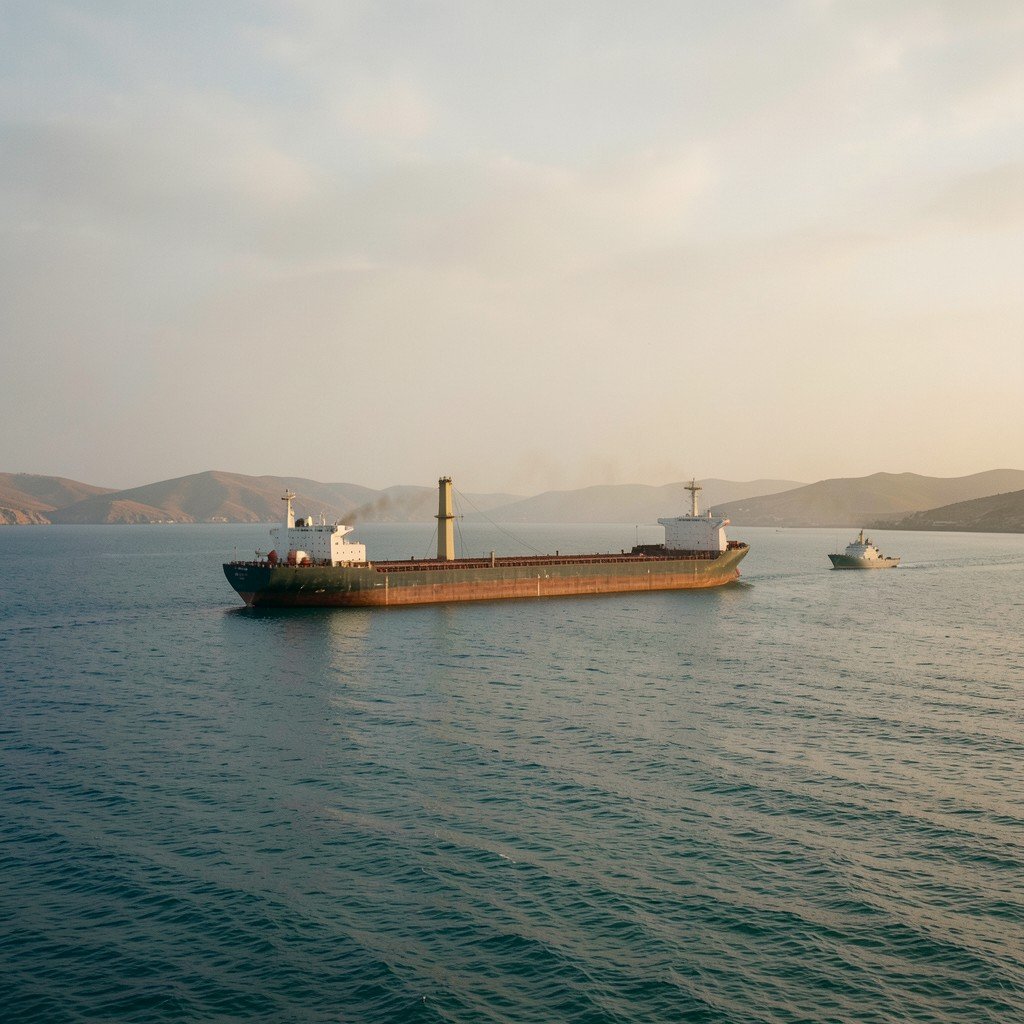
The current market conditions trace back to late February, when the US-Israeli bombing campaign against Iran began. The conflict escalated in March when Iranian strikes crippled Qatar's Ras Laffan hub, a critical facility handling roughly a fifth of global LNG exports. Washington subsequently moved to replace lost Qatari cargoes, helping push US exports to record highs.

Venture Global's Calcasieu Pass terminal entered commercial production in 2022 and established the company as a major US LNG exporter. During the 2022 energy crisis, the company sold spot cargoes while the plant remained officially under construction, as Russian gas supplies to Europe collapsed following Western sanctions over the Ukraine conflict. That strategy drew lawsuits from several energy majors accusing Venture Global of withholding contracted volumes in favor of more profitable spot sales. The company has denied any wrongdoing.

Regulatory Filing Breakdown

The second-quarter regulatory filing, posted Wednesday, detailed the company's sharp fee increase amid war-related LNG flow disruptions. A British thermal unit serves as the standard measure of heat energy contained in fuel, with Venture Global's $6.45 per TBtu rate reflecting the premium spot market conditions.

Asian spot LNG prices more than doubled in the week following the initial attacks on Iran, while European prices remain nearly 50% above pre-war levels. The European Union has been especially exposed after replacing much of its Russian pipeline gas with US-sourced LNG, leaving member states with limited alternatives when global prices spike.

Ongoing Market Uncertainty

The Strait of Hormuz remains a focal point of uncertainty for global energy markets, with no clear timeline for the restoration of Qatari LNG exports through the Ras Laffan hub. US producers continue filling the supply gap, though analysts note that sustained elevated prices depend on the duration of the disruption and the pace at which alternative supply routes can be established.

MORE LIKE THIS

Comments (0)

Leave a comment

A verified Gmail account is required to post comments.

No comments yet. Be the first to share your thoughts!