
Houthis Strike Saudi Aramco Oil Sites in Escalation
news

Houthis Strike Saudi Aramco Oil Sites in Escalation

By Editorial TeamJul 26, 2026 · 10:07 AM4 min read
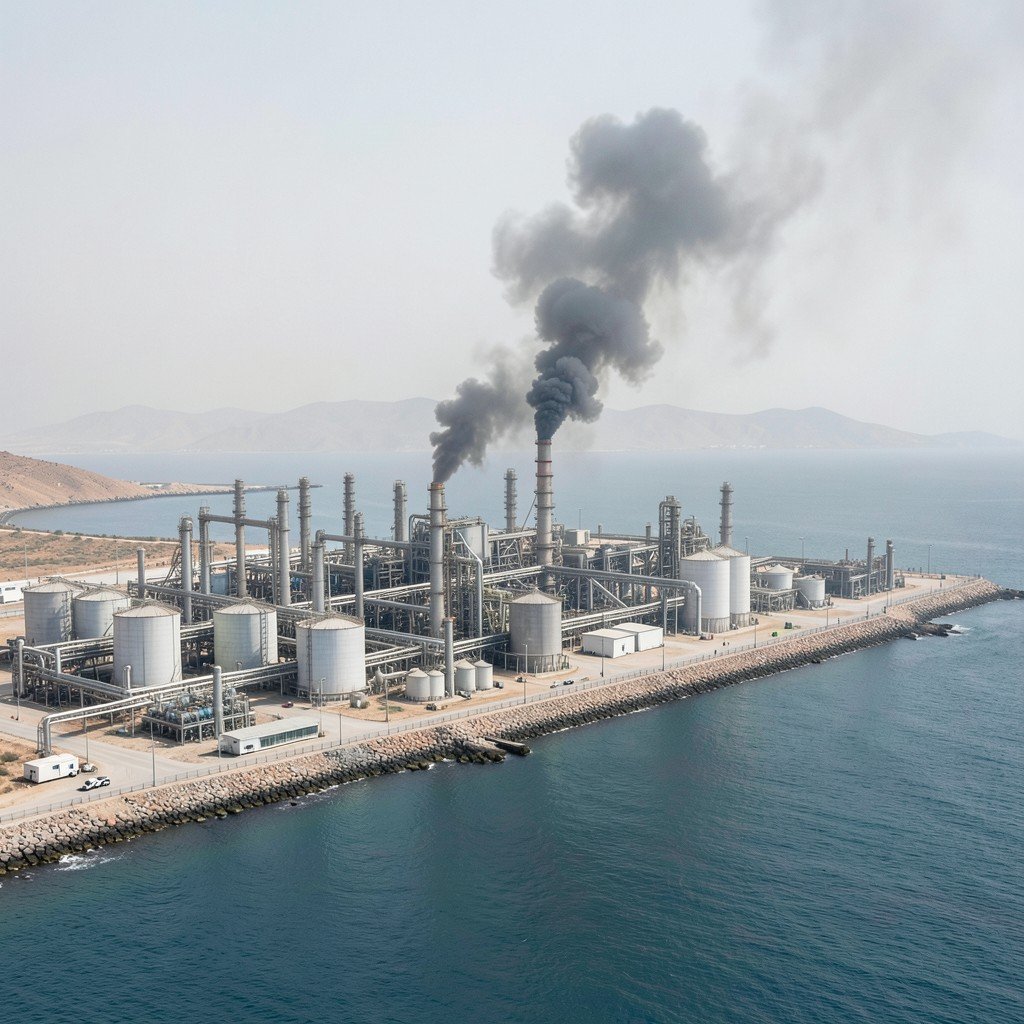
AI-generated representative image of a Saudi Aramco coastal oil facility with rising smoke, illustrating reported Red Sea site attacks.
Editorial Team
Editorial Team
Yemeni forces hit Jizan and Yanbu facilities after Saudi raids as US air strikes on Iran pause

Tehran-backed Houthi forces in Yemen fired missiles and drones at two major Saudi Aramco oil facilities on the Red Sea on Sunday, marking a sharp escalation in a regional conflict reignited by the wider US-Iran war. The attacks hit installations in the coastal cities of Jizan and Yanbu. No new US air strikes on Iran were reported by Sunday morning, leaving skies quiet for a second consecutive night.

The strikes reopen a dormant front between Saudi Arabia and the Houthis, raising risks to global energy supplies through the Red Sea and Bab al-Mandeb Strait. Combined with earlier Iranian pressure on the Strait of Hormuz, the developments threaten oil exports, fertilizer raw materials, food security in vulnerable nations, and broader supply chains if key waterways face disruption.

Key Developments

Houthi military spokesman Yahya Saree confirmed the Sunday assaults on Aramco facilities as retaliation for late Friday Saudi air strikes on the Houthi-held port city of Hodeidah. A large column of smoke rose over the Jizan refinery, though Saudi authorities offered no immediate comment on damage. In Yanbu, Saudi Arabia's main west coast export gateway, two ballistic missiles targeting oil installations were intercepted by a Patriot battery operated by the Greek military under an agreement with Riyadh.

Earlier this month the Houthis declared a naval blockade of Saudi Arabia. Last Monday they fired ballistic missiles at the kingdom after an attack on Sanaa airport blocked an Iranian plane from landing. The Houthis control most of northern and western Yemen, including the capital Sanaa.
Context and Background

The US-Iran confrontation intensified after the Islamic Revolutionary Guard Corps attacked tankers in the Strait of Hormuz. From July 11 the United States conducted 13 consecutive overnight waves of air strikes on Iran. Both sides declared a June interim peace agreement dead, dimming prospects for a comprehensive deal. US strikes then halted after Friday.

Saudi Arabia and regional allies entered Yemen's civil war against the Houthis in 2015. A truce held from 2022 until its collapse this month. Separately, in March the Tehran-backed Hezbollah group in Lebanon resumed missile fire on Israel, prompting an Israeli invasion of southern Lebanon that displaced 1.2 million people. Iranian shipping attacks have already driven up energy prices and heightened food security risks.

Supporting Details and Evidence

A long-range strike on an Iranian vessel in the Caspian Sea on Saturday killed one sailor and wounded another, according to Iran's Ministry of Foreign Affairs. Tehran blamed Ukraine, summoned Kyiv's charge d'affaires, and condemned the act as hostile and criminal. Ukrainian President Volodymyr Zelenskyy stated that forces achieved strong results hitting vessels used in military cargo shipments involving Iran as well as a warship. He further claimed that since early July Ukrainian forces detected active Russian satellite surveillance of Gulf states and US military facilities, with images passed to Tehran to aid IRGC targeting.

US President Donald Trump said Friday that communication with Iran continued. A senior administration official noted his preference for diplomacy while demonstrating consequences for failure to engage seriously. Voice of Urdu reporting from Tehran confirmed Iranian officials are reviewing mediator proposals amid fundamental differences and deep mistrust, with limited progress so far.

Current Status and Next Steps

No fresh US attacks on Iran had occurred by Sunday morning, and both Washington and Tehran continue exchanging messages through mediators. Saudi Arabia has not assessed or publicly detailed any damage at the targeted Aramco sites. Authorities and observers are monitoring whether Houthi actions extend to attempts to restrict the Bab al-Mandeb Strait, which could compound existing Hormuz pressures into a wider supply crisis. Further official updates on talks and damage assessments are awaited.

MORE LIKE THIS

Comments (0)

Leave a comment

A verified Gmail account is required to post comments.

No comments yet. Be the first to share your thoughts!