
Pakistan Donkey Export to China Threatens Rural Livelihoods
news

Pakistan Donkey Export to China Threatens Rural Livelihoods

By Editorial Team•Nov 29, 2026 · 12:58 PM•4 min read
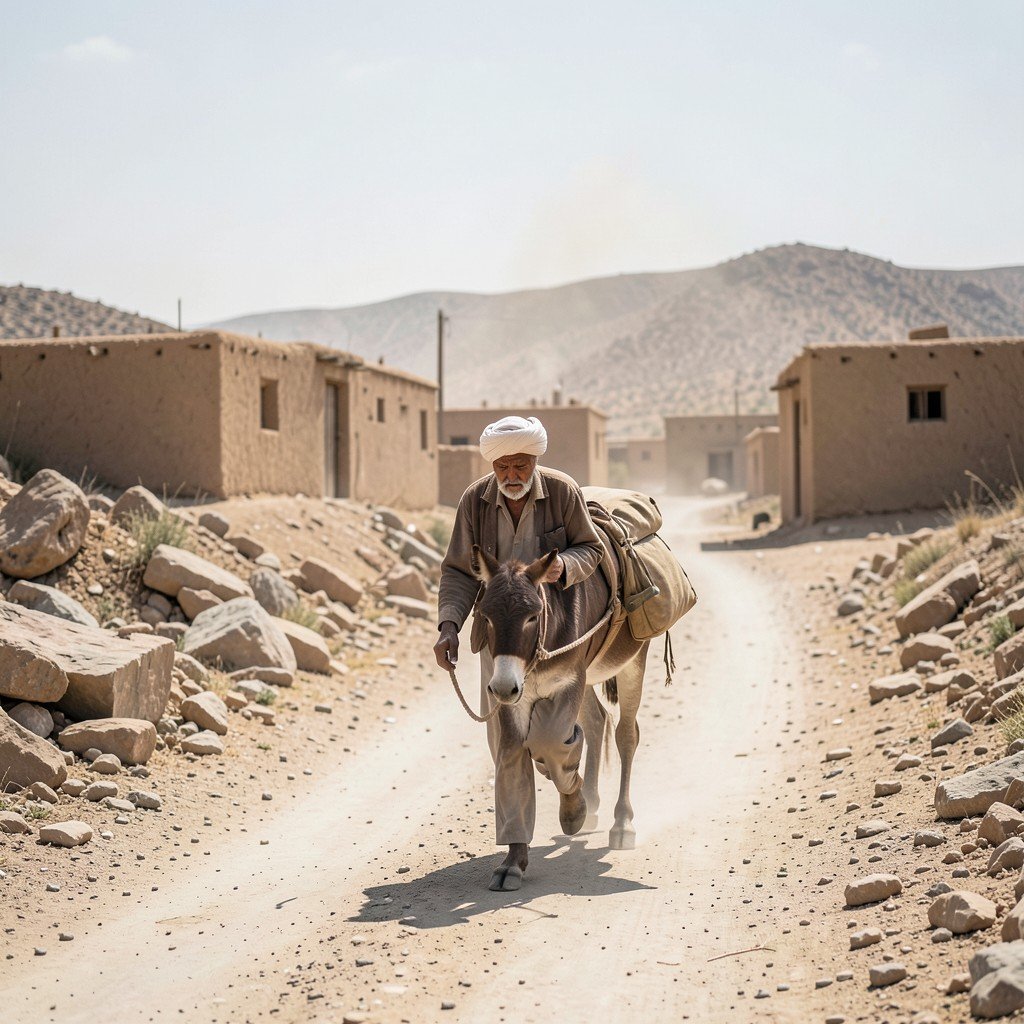
AI-generated representative image: A rural farmer leads a working donkey through a village in Balochistan, where rising prices and theft threaten such livelihoo
Editorial Team
Editorial Team
Rising prices and theft of working animals leave Balochistan families unable to replace donkeys that sustain their incomes

Pakistan's growing donkey export trade to China is driving up prices and fuelling theft of working animals across Balochistan, leaving poor rural families unable to replace the donkeys on which their livelihoods depend. The trade is centred on ejiao, a traditional Chinese medicinal gelatin made from boiled donkey hides, and is now being channelled through slaughterhouses in Gwadar's North Free Zone.

The development matters because donkeys remain essential transport and income for many households in Pakistan's poorest regions. As commercial demand pulls animals into an export supply chain, families that once relied on donkeys for hauling goods and date harvests are being pushed into irregular, lower-paid casual labour.

Export Operations Expand in Gwadar

Chinese company Hangeng Trading Enterprise has begun exporting donkey products from a processing facility in Gwadar's North Free Zone, reportedly built at a cost of $50m. Its first consignments, shipped in July, totalled 94.57 tonnes of donkey meat and hides, followed by 81 tonnes of meat, bones and hides dispatched in October.

A second Pakistan-China venture, Shahzad and Shao (Private) Limited, secured 4 acres (1.6 hectares) in the North Free Zone in August to establish another slaughterhouse and processing facility. The company has reportedly received approval for a quota of up to 150,000 donkeys annually.

In April, the government's Economic Coordination Committee approved the export of donkey meat and hides to China.
Historical Context of the Hide Trade

Pakistan's donkey-hide trade is not new. Between 2011 and 2015, the country exported 141,075 hides to China, Vietnam and Hong Kong, with exports reaching 97,201 in 2014-15. The government banned hide exports in 2015 amid concerns over declining donkey numbers and reports that leftover meat was being sold domestically as beef or mutton.

In October last year, the government amended its export policy to allow hide exports from designated, approved or registered slaughterhouses in the Gwadar Free Zone. Research published in the Journal of Contemporary China in 2024 estimated that the ejiao industry requires between four million and five million donkey hides annually, a demand China's domestic population cannot meet. Pressure on African donkey populations prompted the African Union in February 2024 to adopt a continent-wide moratorium on mass slaughter for hide exports.

Evidence from Affected Households

In Kulahu, near Tump, Muhammad Noor sold his two working donkeys in July to pay for his wife's eye surgery, receiving 75,000 rupees ($270) for the male and 44,000 rupees ($158) for the female. The animals had earned him about 1,000 rupees ($4) a day, but a replacement now costs 100,000 rupees ($360) or more. He now earns 500 rupees ($2) on a good day from casual labour, and his elder daughter has left school.

Across Kech district, animals bought for 4,000-5,000 rupees ($14-18) in villages can fetch 8,000-10,000 rupees ($28-36) in Turbat, and up to 15,000 rupees ($54) after reaching intermediaries in Gwadar. In Chahsar, Jumma Baloch's only working donkey was stolen a month ago, which he says is linked to middlemen supplying the export business. Animal welfare expert Syed Naeem Abbas warned that many animals entering the export chain were previously working donkeys, calling the situation "the quiet collapse of livelihoods."

What Lies Ahead

Pakistan's donkey population is estimated at 6.2 million in the 2025-26 Pakistan Economic Survey, placing it among the world's largest donkey-owning countries. Whether the export industry's potential gains reach rural families will depend on sourcing practices, breeding investment, animal protection and whether working donkeys remain affordable.

Abbas has urged the Balochistan government to introduce animal-welfare legislation, following Khyber Pakhtunkhwa, which in 2024 became the first Pakistani province to enact such a law, and advocates exploring plant-based and artificial alternatives to animal-derived ejiao.

MORE LIKE THIS

Comments (0)

Leave a comment

A verified Gmail account is required to post comments.

No comments yet. Be the first to share your thoughts!