Iran Denies Kuwait Drone Strike That Killed Two Italian Contractors
news

Iran Denies Kuwait Drone Strike That Killed Two Italian Contractors

By Editorial Team•Nov 28, 2026 · 7:37 PM•4 min read
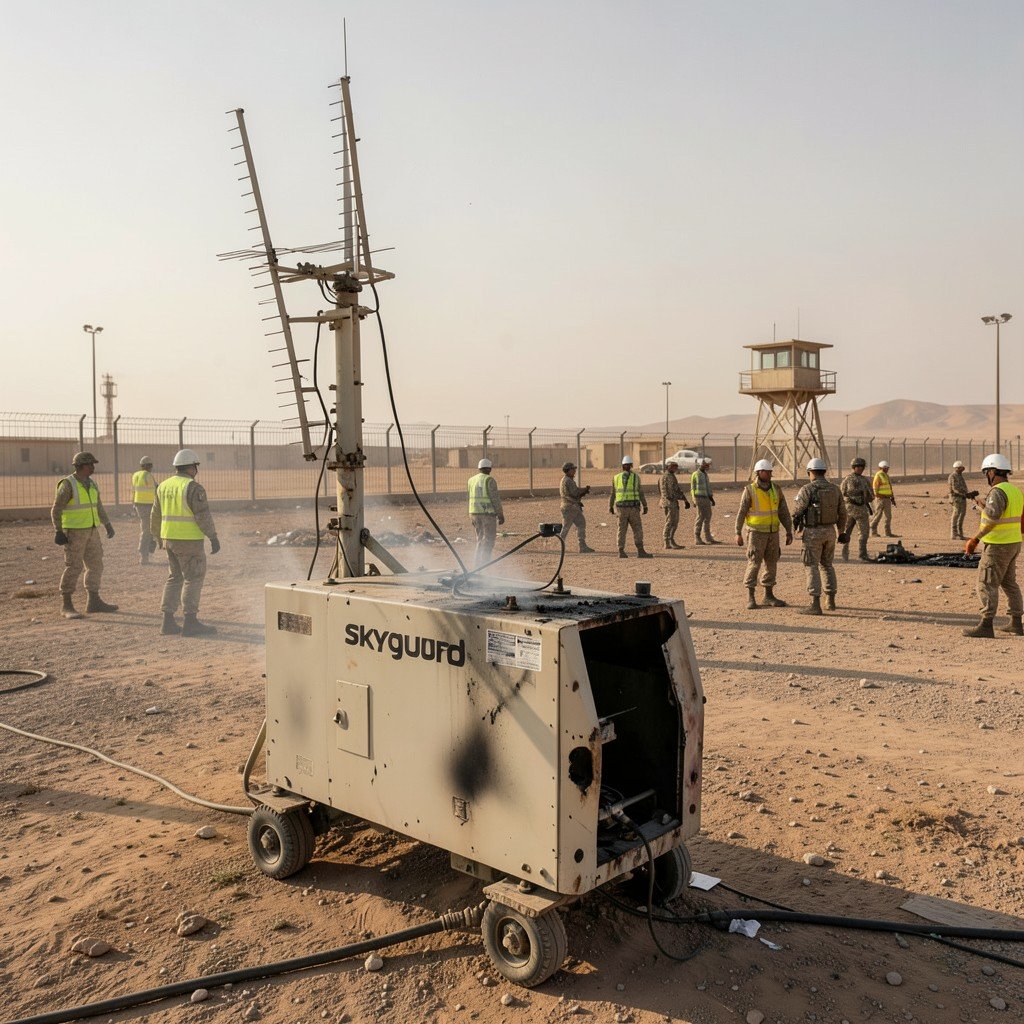
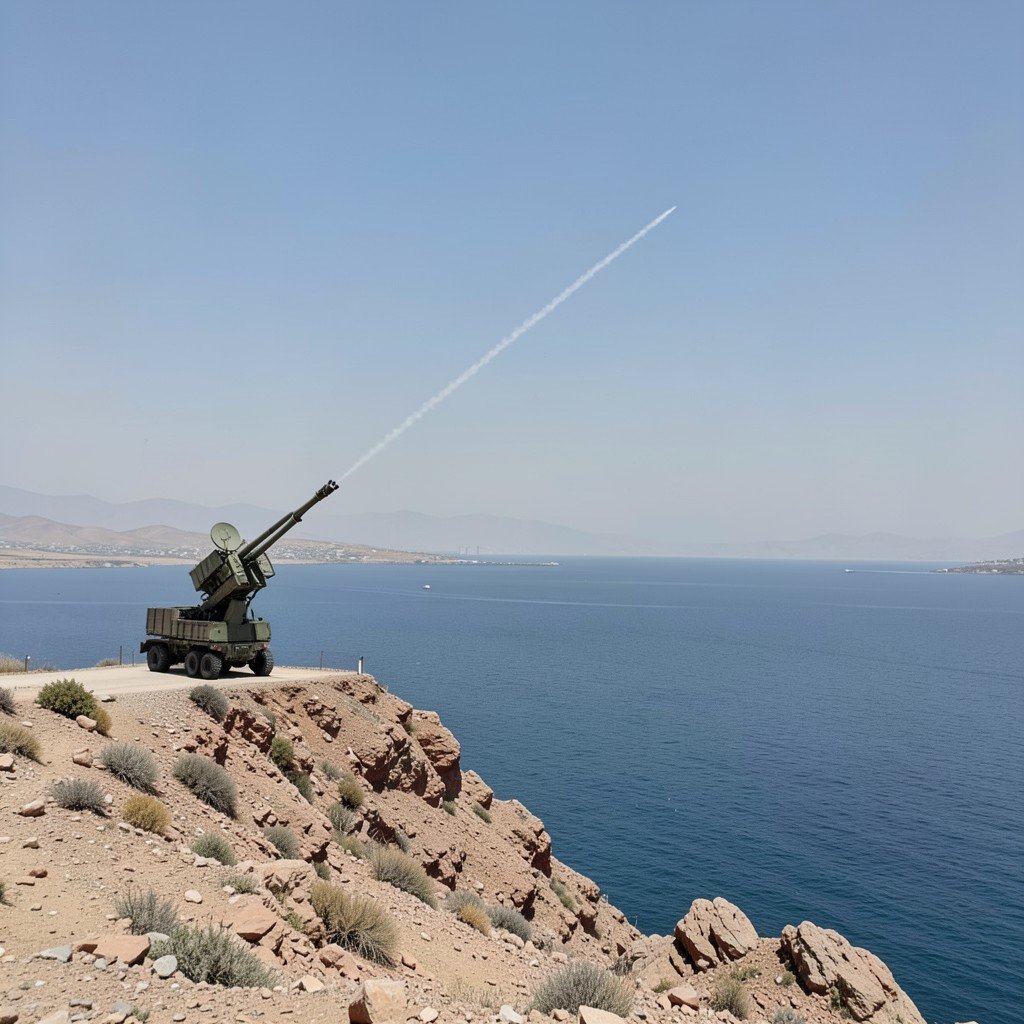
AI-generated representative image: A damaged air defence system at a military site in Kuwait following a reported drone attack that killed two Italian contracto
Editorial Team
Editorial Team
Tehran calls the deadly attack a false flag operation as Rome weighs sanctions amid rising EU tensions.

Two Italian defence contractors were killed in a drone attack on a military site in Kuwait on Thursday, an incident that Iran has denied any role in while labelling it a "false flag" operation. Antonio Saccoccio, 65, and Emanuele Lo Russo, 36, were employed by a European defence company and were servicing a Skyguard air defence system when they died.

Rome has attributed the strike to Iranian-origin drones, but Italian Foreign Minister Antonio Tajani acknowledged the possibility that Iran-aligned militias in another country could have launched the projectiles.

The deaths could worsen already strained relations between Iran and the European Union, experts warn. European nations have not officially joined the United States and Israel in strikes on Iran, and the incident risks drawing them deeper into a conflict that has disrupted energy supplies and driven up gas and petrol prices worldwide.

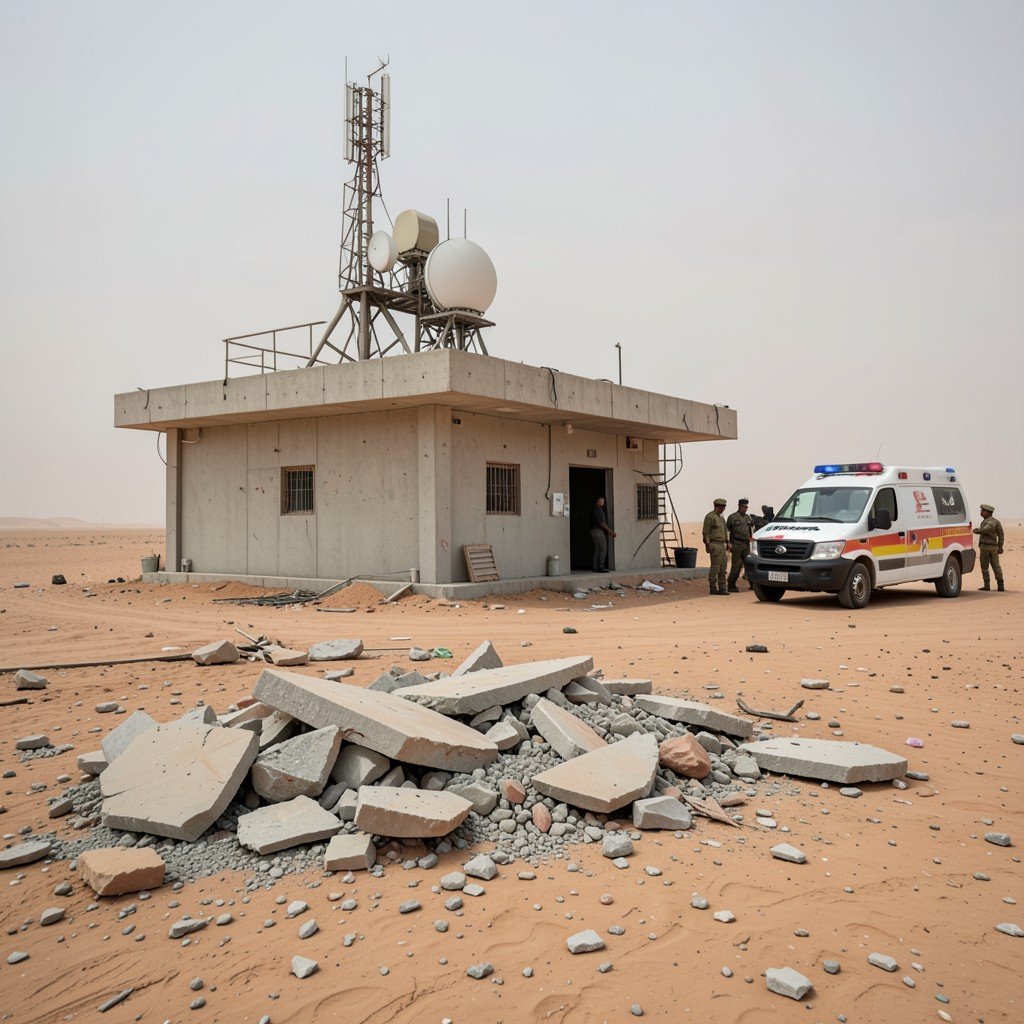
The episode also highlights the vulnerability of specialised technical personnel operating at sensitive military sites in the Gulf, where Kuwait has suffered a series of attacks in recent weeks.

Key Developments

  • Antonio Saccoccio, 65, and Emanuele Lo Russo, 36, were killed while maintaining detection antennae for a Skyguard air defence system at a military installation in Kuwait.
  • Iran's Ministry of Foreign Affairs rejected responsibility, with chief diplomat Abbas Araghchi describing the incident as "a precooked recipe for war" and calling his Italian and Kuwaiti counterparts to offer condolences.
  • Brigadier General Abolfazl Shekarchi, Iran's armed forces spokesman, accused the United States and Israel of a history of false flag operations and called the accusations a cover for maintaining hostilities.
  • EU Commission President Ursula von der Leyen said the bloc "must step up pressure on Iran to put an end to these unacceptable attacks" on Kuwait and other regional allies.

Background and Regional Tensions

The strike follows an attack by Ukraine on two Russian vessels in Libya on Sunday, which drew widespread criticism of Kyiv for appearing to extend its war with Moscow into the Middle East. Some Tehran-based commentators have pointed to that incident as evidence of a Ukrainian false flag operation, while Italy and Kuwait have accused Iran.

Relations between Iran and the EU have deteriorated sharply in recent years over Iran's nuclear programme and regional influence. The bloc has imposed numerous sanctions on Iran and designates the Islamic Revolutionary Guard Corps (IRGC) as a "terrorist" organisation.

The broader conflict began on February 28, when the United States and Israel launched strikes on Iran. NATO Secretary General Mark Rutte confirmed that up to 5,000 US military sorties originated from European bases in support of Operation Epic Fury between February 28 and mid-April, including roughly 500 flights from bases in Italy. Italy's Defence Ministry has insisted it authorised only routine logistical and technical operations, not combat missions.

Official Statements and Expert Analysis

Riccardo Alcaro, research coordinator at the Rome-based Istituto Affari Internazionali, said Iran's insistence on denial could reflect "a dual objective: avoiding being seen as the aggressor while reinforcing the false flag operation narrative." He noted that such attacks may aim to degrade Kuwait's defence capabilities ahead of a possible new confrontation with the United States.

James Moran, a former EU diplomat and associate senior fellow at the Centre for European Policy Studies, said Iran's denials lack credibility and that von der Leyen's call for pressure likely means tightening EU sanctions. He added that "nobody expects the EU or Italy itself to get involved in any kinetic response," citing Europe's opposition to the US-Israeli war over its impact on energy supplies.

Foad Izadi, an associate professor at the University of Tehran, blamed Ukraine and said European leaders had "the blood of the Iranian people on their hands" for supporting US aircraft and operations.


Current Status and Next Steps

The Italian government has not yet vowed military retaliation, additional sanctions or other punitive measures against Iran. Foreign Minister Tajani said the deaths were caused by intercepted drone shrapnel and that military installations were targeted.

Experts expect Italy and Europe to continue condemning attacks in the region while reviewing security protocols for personnel at sensitive sites. State-linked Iranian media have cautioned hardline factions against preemptive strikes, warning that US and Israeli spy agencies may be seeking an excuse to restart large-scale combat operations.

MORE LIKE THIS

Comments (0)

Leave a comment

A verified Gmail account is required to post comments.

No comments yet. Be the first to share your thoughts!