
Netanyahu Faces Toughest Political Fight as Bloc Falls Eight Short
news

Netanyahu Faces Toughest Political Fight as Bloc Falls Eight Short

By Editorial Team•Nov 17, 2026 · 11:24 AM•4 min read
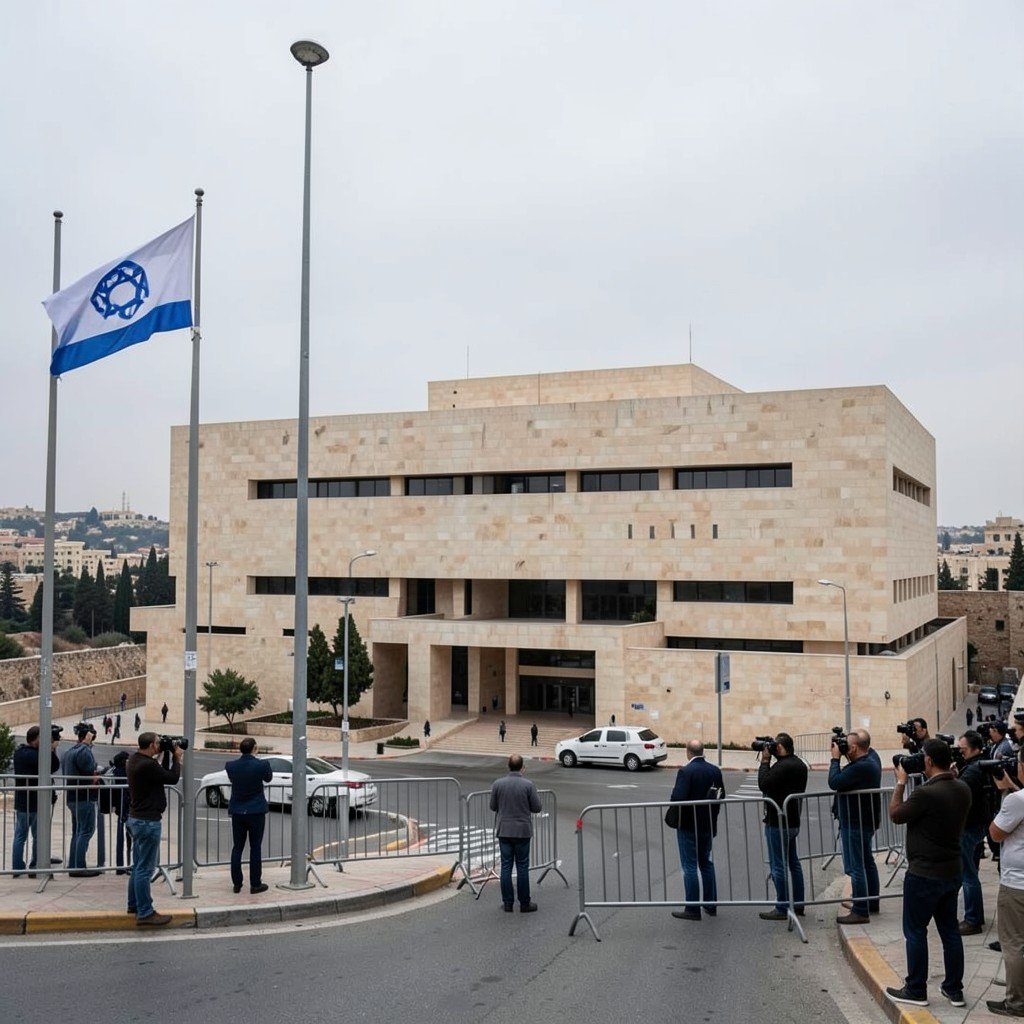
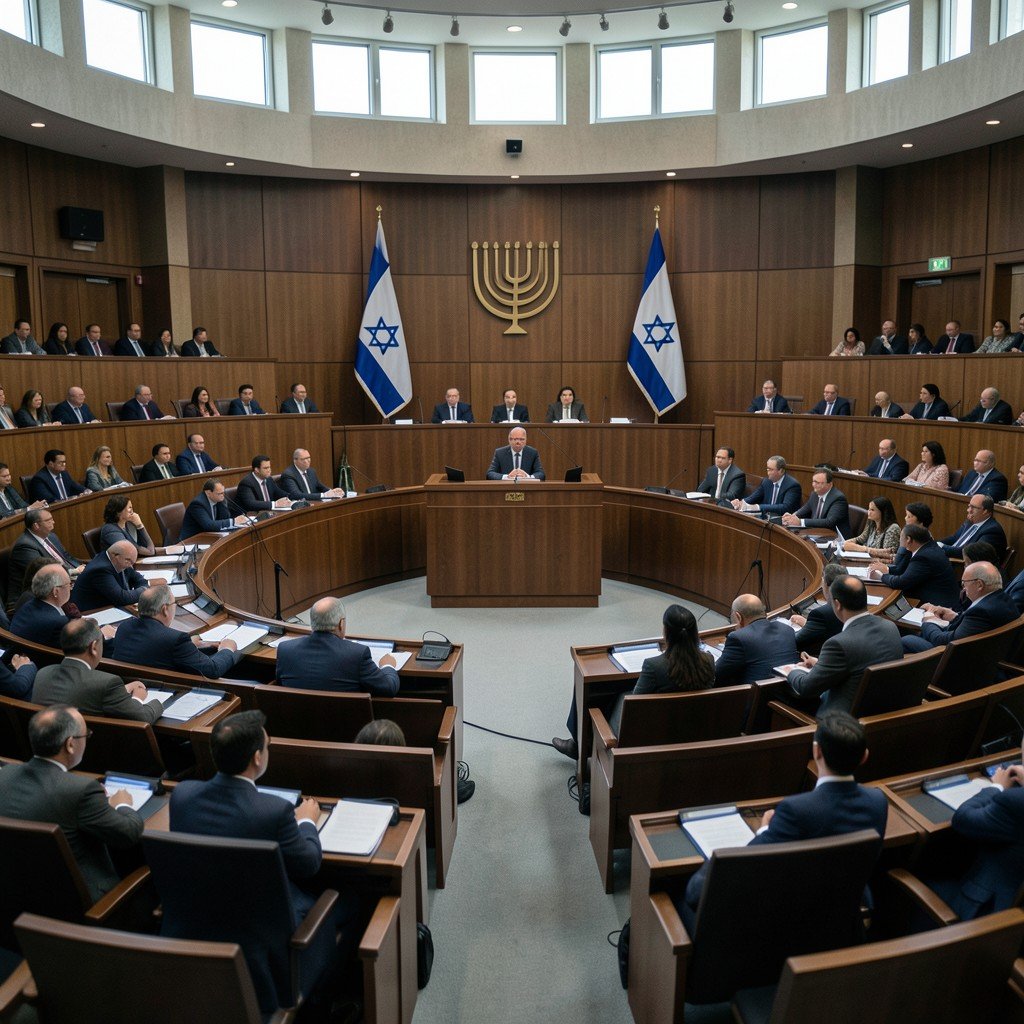
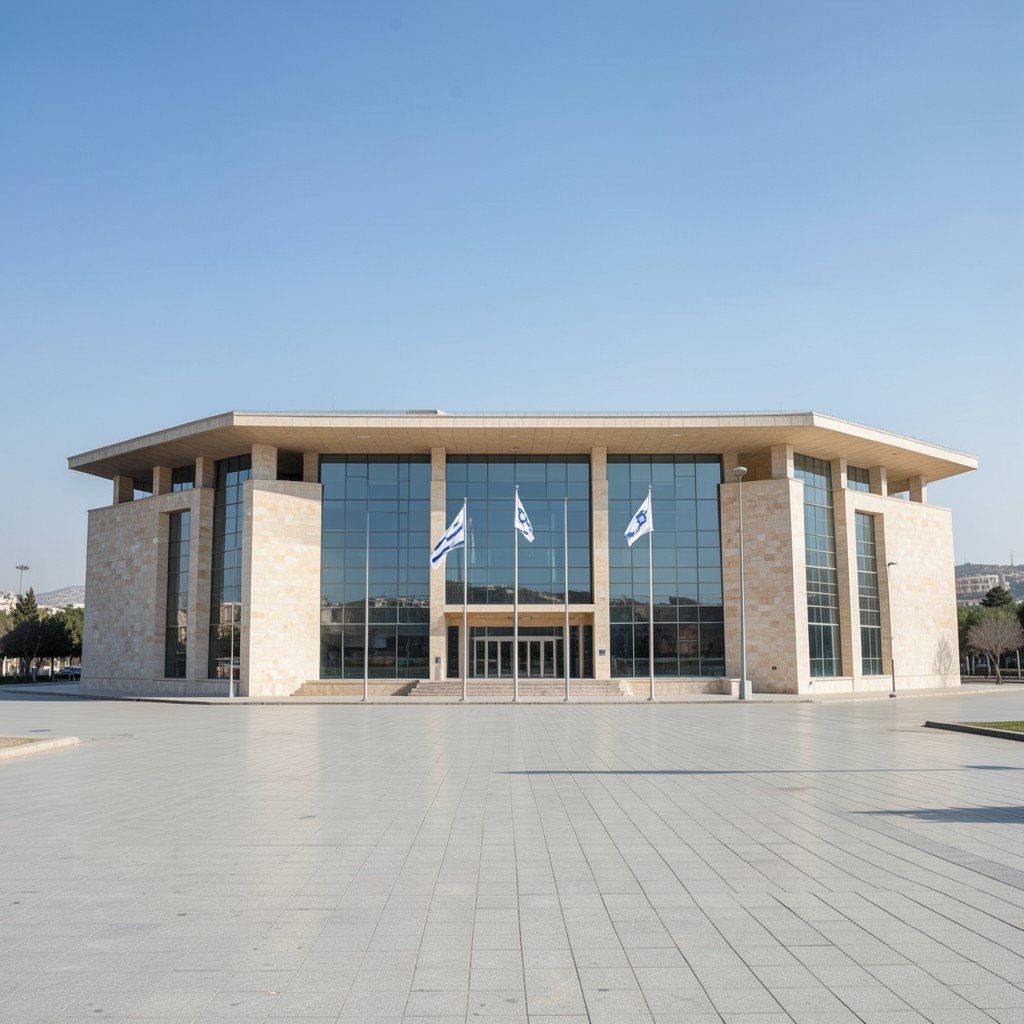
AI-generated representative image. The Knesset building in Jerusalem, where coalition negotiations will determine Israel's next government.
Editorial Team
Editorial Team
Gadi Eisenkot has 42 days to build an Israel coalition as Netanyahu battles a corruption trial and rival state inquiry efforts.

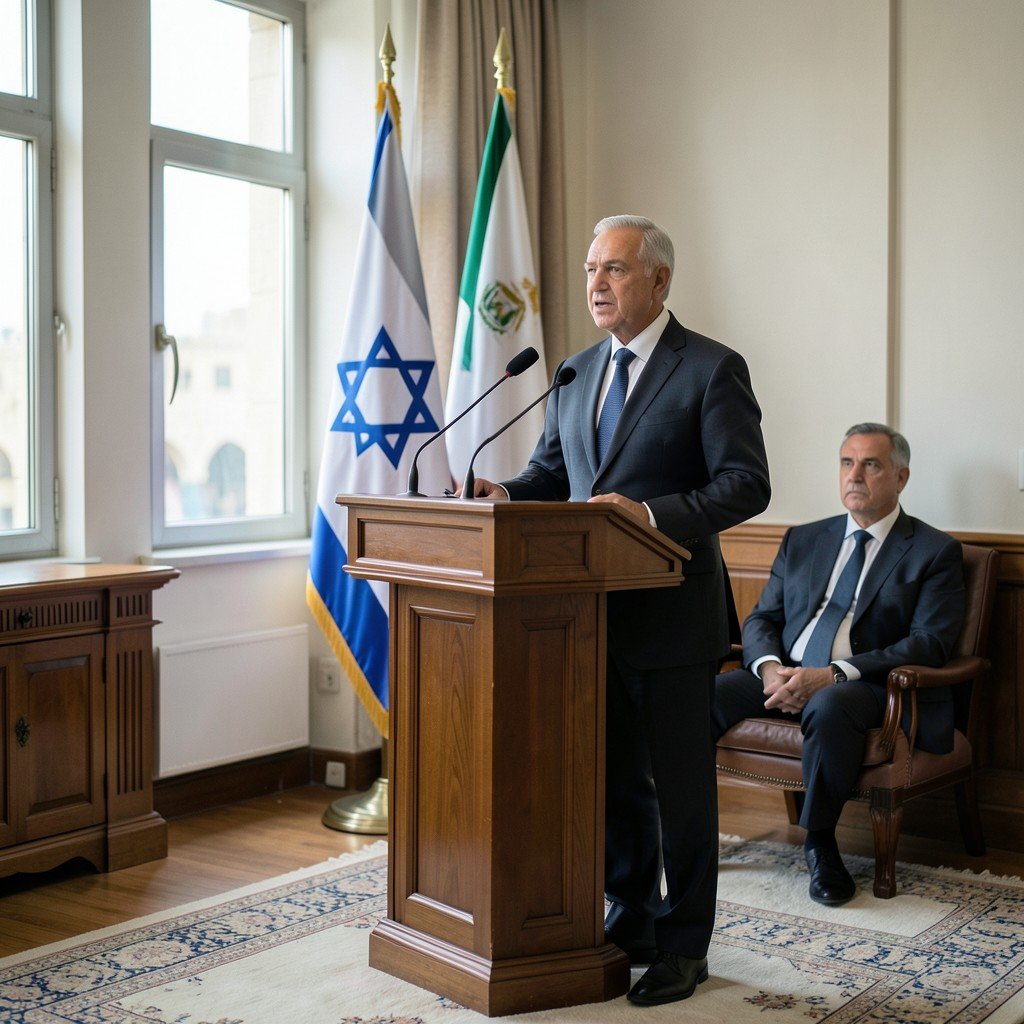
Benjamin Netanyahu's political bloc won 53 seats in Israel's latest election, eight short of the 61 needed for a majority in the 120-seat Knesset, leaving the long-serving prime minister facing what analysts describe as the most precarious moment of his career. Sixty-seven newly elected lawmakers have recommended former army chief Gadi Eisenkot, leader of the Yashar party, to form the next government.

Eisenkot now has up to 42 days to assemble a coalition, a window that could decide not only Israel's next government but also Netanyahu's personal legal fate.

The stakes extend beyond ordinary political competition. Netanyahu's corruption trial, under way since May 2020, is in its final stretch, and he faces a possible prison sentence. His request for a pardon has sat unanswered on President Isaac Herzog's desk for months.

Eisenkot's bloc has already tabled legislation for a state commission of inquiry into the October 7 attacks and for prime-ministerial term limits, measures that could strip Netanyahu of the image he has cultivated as Israel's defender and weaken his ability to stall legal proceedings from office.

Three Levers to Stall a Rival Government

Netanyahu does not need to build a government to survive, according to the analysis; he needs time to prevent his rivals from forming one. He is pursuing three strategies to buy that time:

  • A proposed "national unity government" that would exclude Arab parties representing 21 percent of the population while including far-right figures Itamar Ben-Gvir and Bezalel Smotrich and the Haredi parties. Netanyahu has framed the offer around the Iranian nuclear threat but has refused to give up the premiership or agree to a rotation.
  • Incitement targeting Arab parties. At the Knesset's opening session, he branded Ra'am and the Joint List "terror supporters" and "haters of Israel," declaring that a government depending on them "must not be formed."
  • Military escalation. Media reports indicate Netanyahu has pressed US President Donald Trump for another wave of strikes on Iran, which could pave the way for an emergency government.

Eisenkot has dismissed the unity offer as "another spin" but has agreed to negotiate with Likud, aware that refusing would feed Netanyahu's narrative that his rivals would talk to "Arab supporters of Hamas" but not "Jewish patriots."
Historical Context and a Familiar Fallback

Netanyahu has a long history of using elections as a survival mechanism. Between 2019 and 2022, he took Israelis to the polls five times rather than relinquish power. If his current strategies fail, a seventh election since 2019 next spring remains his fallback, one he would fight from the Prime Minister's Office.

A sitting prime minister can be removed only after a final conviction, which gives Netanyahu leverage to stall hearings and pressure the justice system while in office. Out of office, analysts note, he becomes simply another defendant.

The political maneuvering carries echoes of the past. The last time incitement spilled into the streets, in November 1995, it ended with the assassination of Prime Minister Yitzhak Rabin and paved the way for the Israeli right's comeback.

Eisenkot's Coalition Puzzle

Eisenkot campaigned on three pledges: no Netanyahu, no Haredi parties, and no Arab parties. He cannot keep all three. His available paths each carry obstacles:

  • Partnering with the Haredim would give his bloc 48 seats plus 13 from Shas and United Torah Judaism, exactly 61. But UTJ's rabbis want all 48 bloc members to sign a pledge exempting Haredim from military service, which Eisenkot has refused.
  • A minority government backed externally by Arab parties is reportedly acceptable to Eisenkot and ally Yair Golan of the Democrats, but opposed by Naftali Bennett and blocked by Yisrael Beytenu leader Avigdor Lieberman, who rules out Arab parties, a minority government, and new elections.
  • Likud without Netanyahu remains unlikely, as no Likud lawmaker has broken ranks so far.

Former Prime Minister Ehud Barak has publicly warned of a scenario in which a provocation forces Iran to respond, triggering a war that disrupts formation of a new government. However, Eisenkot's military sources reportedly see no urgent need for another round of conflict with Iran, and Trump has hinted he wants the war over.

What Lies Ahead

Eisenkot's camp has already taken control of the Knesset building, while Netanyahu's side is working to keep it from taking over the government. The next several weeks are likely to determine whether Israel forms its first post-Netanyahu government in years or heads to yet another election.

The decisive factor, according to the analysis, is whether Eisenkot can swear in any government before the 42-day clock runs out. If he fails, Netanyahu would likely fight a seventh election from the prime minister's office.

MORE LIKE THIS

Comments (0)

Leave a comment

A verified Gmail account is required to post comments.

No comments yet. Be the first to share your thoughts!