

Meta Ordered to Pay $25 Billion in Cambridge Analytica Data Scandal
science-and-technology

Meta Ordered to Pay $25 Billion in Cambridge Analytica Data Scandal

By Editorial Team•Oct 24, 2026 · 4:36 AM•4 min read
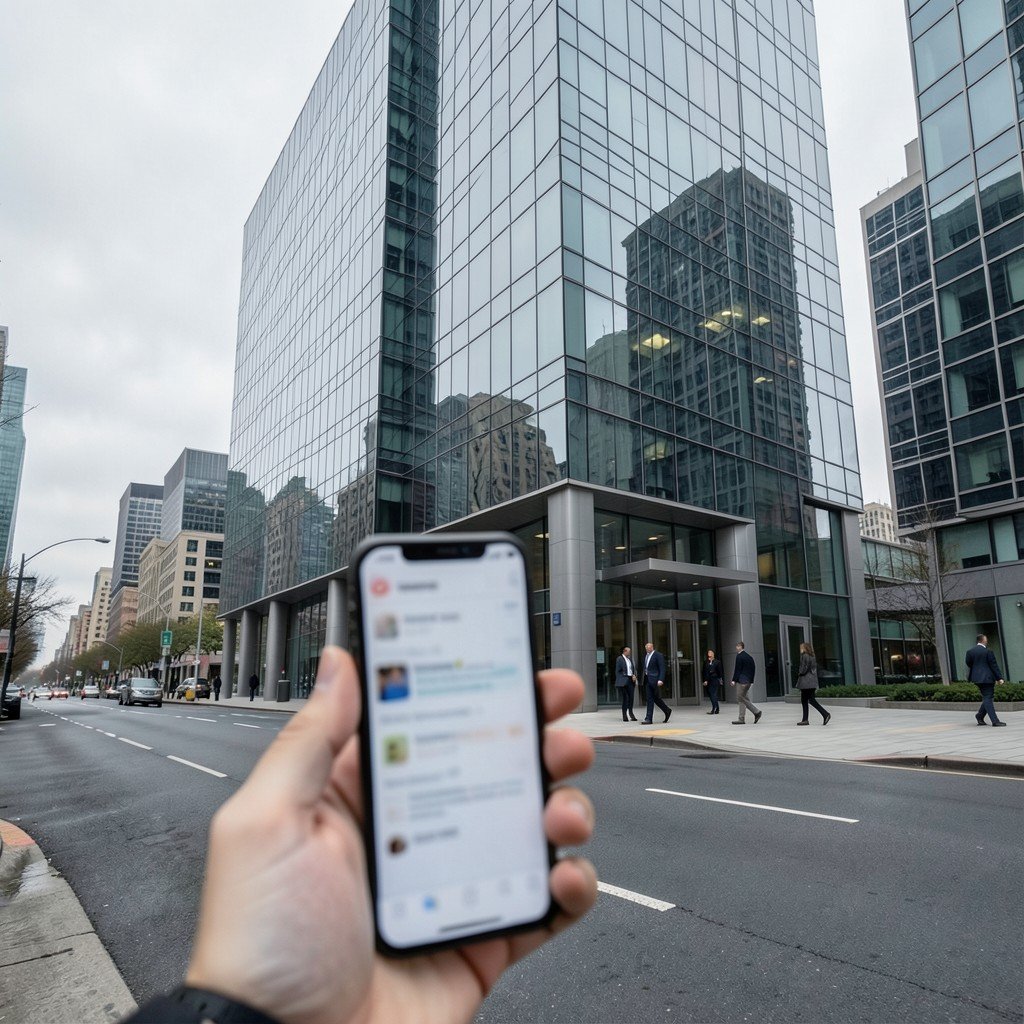
AI-generated representative image: A corporate technology headquarters exterior with a smartphone in the foreground, illustrating the Facebook data privacy case
Editorial Team
Editorial Team
New Mexico judge imposes historic privacy penalty over 44 million users' harvested Facebook data

A New Mexico judge has ordered Meta to pay $25 billion in civil penalties over the collection of personal data from 44 million Facebook users by Cambridge Analytica more than a decade ago. The ruling, handed down on October 22, holds Meta accountable for knowingly and systematically deceiving users about how their data was managed and shared with third parties.

The judge concluded that Meta's misconduct warranted a penalty exceeding $219 billion under state law, but reduced the final amount to $25 billion, making it one of the largest fines ever imposed on an American corporation.

The judgment represents a landmark moment in the long-running fallout from the Cambridge Analytica scandal, which exposed how political consulting firms exploited Facebook's data-sharing policies to influence elections around the world. The penalty equals roughly an eighth of Meta's annual revenue and signals that regulators and courts continue to hold the company accountable years after the original revelations.

Key Findings in the Ruling

The court found that Meta, operating at the time as Facebook, allowed its user data to be harvested by third-party companies including Cambridge Analytica while misleading the public about its practices. The jury also determined that Meta's senior executive team knew of, and lied about, deceiving users regarding how it planned to investigate data-harvesting companies after the scandal became public.

New Mexico was one of only two states that did not join an $18 billion settlement Meta reached in August with 51 attorneys general across US states, territories, and the District of Columbia. That settlement included a clause resolving a multistate investigation into Facebook's sharing of user data with third parties, including Cambridge Analytica, and waived participating states' right to sue Meta even if new facts emerged.


Origins of the Cambridge Analytica Scandal

Cambridge Analytica was founded in 2013 as a subsidiary of SCL Group, a London-based private intelligence firm that provided data analytics and behavioural analysis services to the British Defense Ministry and Foreign Office. By 2018, the company had been hired by political candidates in 200 elections, including parliamentary contests in the Czech Republic, India, and Italy, the Brexit referendum in the UK, and the 2016 US presidential election.

The data collection scheme centered on a personality quiz app called "This is Your Digital Life," developed by Cambridge University professor Aleksandr Kogan. Between 250,000 and 270,000 American Facebook users took the quiz in 2015, and under Facebook's terms at the time, the app could also access the data of all their friends. This allowed Cambridge Analytica to compile detailed psychological profiles on roughly 87 million users.

Whistleblower Christopher Wylie revealed the scheme to The Observer in 2018, stating that the company "exploited Facebook to harvest millions of people's profiles, and built models to exploit what we knew about them and target their inner demons."

Official Investigations and Settlements

The US Federal Trade Commission determined that Facebook made its privacy settings deliberately opaque, spreading them over 20 separate screens and opting users into sharing data with third parties by default. Facebook settled with the FTC for $5 billion in 2019. The following year, the US Securities and Exchange Commission accused Facebook of misleading investors by presenting the risk of data misuse as "merely hypothetical" when it had known since 2015 that a third-party developer had misused user data. Facebook settled that case for $100 million.

In 2022, Meta settled a $725 million class-action lawsuit brought by Facebook users who alleged the company violated privacy and consumer protection laws. Zuckerberg told Congress in 2018 that Facebook had been aware of the data transfer since 2015 but opted not to inform users, saying the company "considered it a closed case."

What Lies Ahead

The $25 billion judgment does not mark the end of Zuckerberg's legal exposure. A Washington DC lawsuit seeks to hold him personally responsible for the Cambridge Analytica debacle, while investors in California are suing Meta over alleged efforts to conceal the misuse of user data. Plaintiffs in the California case have sought recorded depositions from Zuckerberg, former COO Sheryl Sandberg, and former CFO David Wehner.

Meta will likely settle the investor lawsuit, as it did with the similar SEC case in 2019. However, if Zuckerberg chooses to fight, he could face questioning under oath about how much Facebook knew about the scandal and when.

MORE LIKE THIS

Comments (0)

Leave a comment

A verified Gmail account is required to post comments.

No comments yet. Be the first to share your thoughts!