
EU Unveils 22nd Russia Sanctions Package Targeting Banks and Athletes
sports

EU Unveils 22nd Russia Sanctions Package Targeting Banks and Athletes

By Editorial Team•Nov 24, 2026 · 10:40 AM•3 min read
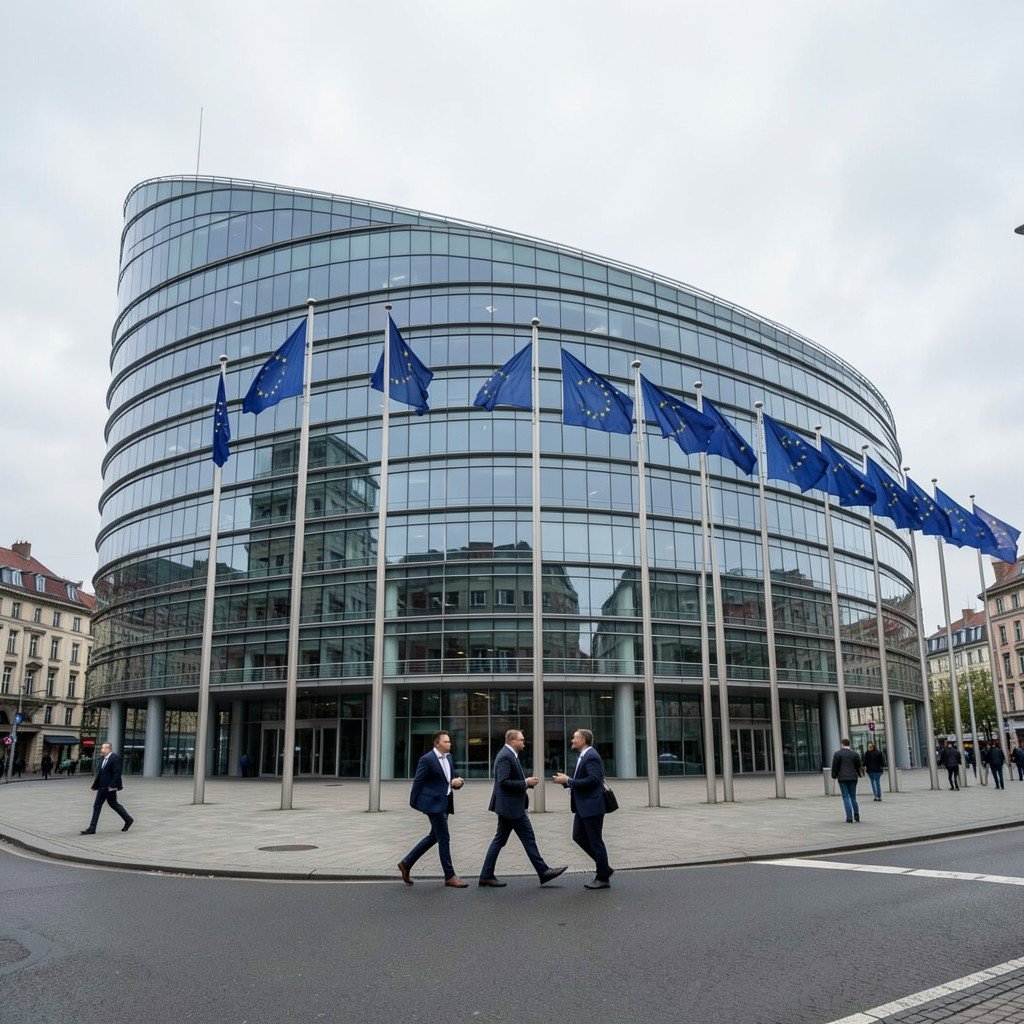
AI-generated representative image: The European Commission's Berlaymont headquarters in Brussels, where the EU proposed its 22nd sanctions package against Russi
Editorial Team
Editorial Team
New European Union measures bar EU nationals from Russian board roles and curb energy support

The European Union has proposed its 22nd round of sanctions against Russia, targeting the country's banking system, military veterans and athletes, while also barring EU nationals from taking positions in the governing bodies of Russian companies. The package, introduced on Monday, extends restrictions to around 60 Russian banks as well as cryptocurrency and payment networks.

European Commission President Ursula von der Leyen said the measures were aimed at pressuring Moscow to agree to a "lasting peace in Ukraine." Russia has repeatedly dismissed Western sanctions as illegal and counterproductive to diplomatic efforts to resolve the conflict.

The latest proposal signals the EU's determination to tighten economic and political pressure on Russia even as European representatives seek a role in negotiations over the war in Ukraine. The measures would affect financial institutions, energy infrastructure, maritime shipping, sports and individual travel, broadening the scope of restrictions far beyond previous rounds.

The push also reflects Brussels' frustration after European representatives were sidelined during this month's US-mediated talks between Moscow and Kiev in Abu Dhabi, leaving the bloc scrambling to secure a place in future negotiations.

Scope of the Proposed Measures

The sanctions package announced on Monday contains several distinct measures. The banking restrictions would extend to approximately 60 Russian banks while also covering cryptocurrency and payment networks. Von der Leyen said the bloc would "focus on Russia but also include third countries that help Russia to evade our sanctions," without elaborating further.

The proposal also targets Russia's energy sector, with von der Leyen stating that "no European company can help Russia build, operate, or repair its energy infrastructures, and notably its refineries." Additionally, the EU plans to blacklist more than 70 merchant vessels it believes form part of a so-called "shadow fleet" helping Russia circumvent sanctions.

Background and Previous Sanctions Disputes

The proposal to restrict entry for current and former Russian military personnel who fought in Ukraine was previously included in an earlier sanctions package but reportedly faced opposition from major EU tourist destinations, including France and Italy. Moscow has described that proposal as "paranoid."

The sports restrictions come after the International Olympic Committee provisionally lifted its suspension of the Russian Olympic Committee earlier this year, prompting other international sports bodies to reconsider their own restrictions. That shift drew criticism from Ukraine and its staunchest supporters within the EU, and von der Leyen's proposal to bar "Russian teams and athletes competing under the Russian flag" from EU sporting events appears to be a direct response to those developments.

Official Statements and Reactions

European Commission spokeswoman Paula Pinho said on Monday that the bloc was not ready to accept Russian President Vladimir Putin's invitation to send a delegation to Moscow. The Kremlin has previously stated that the EU would need to demonstrate goodwill and tone down its rhetoric before engaging in talks.

Moscow has denied operating a "shadow fleet" and condemned the seizure of Russia-linked vessels in international waters as acts of piracy. Russian Foreign Ministry spokeswoman Maria Zakharova warned last week that any expansion of sanctions "would not go unanswered."

What Lies Ahead

The proposed package must still be approved by EU member states before taking effect, and details on third-country measures remain unspecified. The bloc has not confirmed a timeline for adoption, and it remains unclear how the sports and travel restrictions would be implemented in practice.

Further information on the final scope of the sanctions is awaited, particularly regarding which third countries may be included and how the restrictions on Russian athletes would apply across EU member states.

MORE LIKE THIS

Comments (0)

Leave a comment

A verified Gmail account is required to post comments.

No comments yet. Be the first to share your thoughts!