
Bangladesh Measles Outbreak Kills 1,000 Despite 20M Vaccinations
news

Bangladesh Measles Outbreak Kills 1,000 Despite 20M Vaccinations

By Editorial TeamSep 15, 2026 · 6:33 AM3 min read
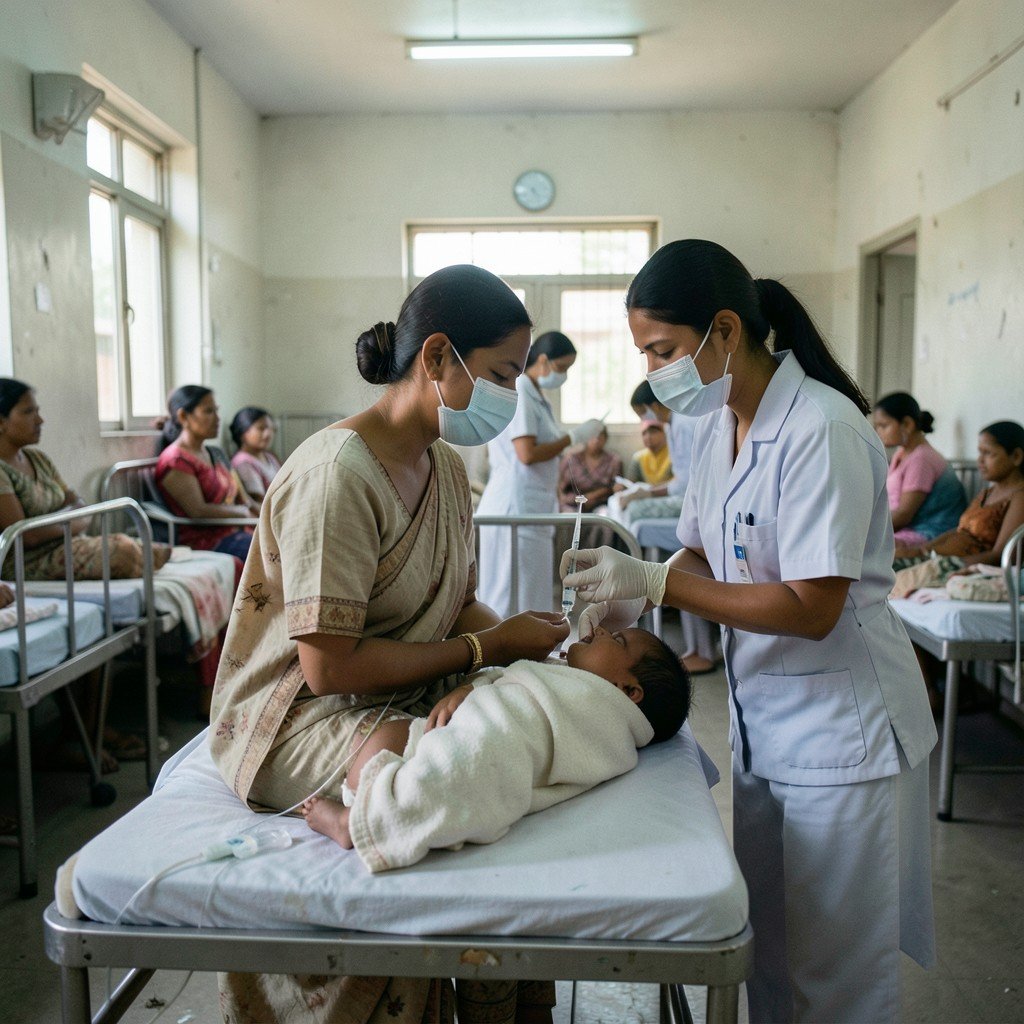
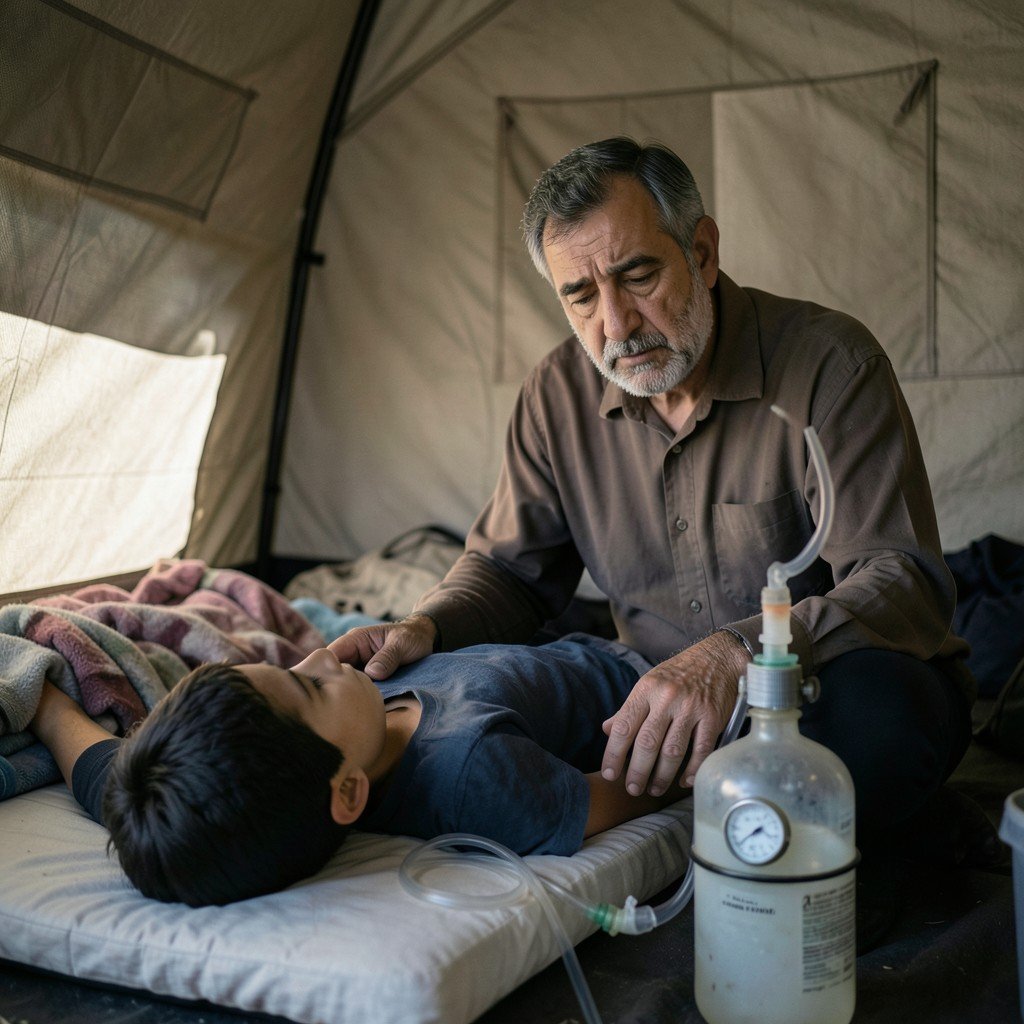
AI-generated representative image of a pediatric ward in Dhaka during the measles outbreak response, showing a mother with her infant and healthcare workers.
Editorial Team
Editorial Team
Hidden immunity gaps and underestimated targets fuel a deadly measles epidemic across Bangladesh.

A measles epidemic in Bangladesh has claimed more than 1,000 lives since March 15, 2026, even as an emergency campaign administered nearly 20 million vaccine doses. By September 9, health authorities had recorded 1,009 deaths, including 100 laboratory-confirmed measles patients and 909 classified as suspected measles deaths.

The outbreak marks a dramatic reversal for the South Asian nation of about 178 million people, which recorded only 132 measles cases and zero deaths in all of 2025.

The crisis matters because it exposes a deeper weakness in Bangladesh's immunisation system. Public health experts say the official vaccination figure of 19.75 million children, which exceeded the original target of 18 million, actually reveals that the target itself was set too low and that national averages conceal communities where many vulnerable children remain unprotected.

Outbreak Timeline and Official Response

Cases began rising sharply in January 2026 and surged through March, prompting Bangladesh to notify the World Health Organization of a nationwide outbreak on April 4. By mid-April, cases had been reported in 58 of the country's 64 districts.

Authorities launched emergency vaccination in high-risk areas on April 5, followed by a nationwide campaign on April 20 targeting about 18 million children aged six months to under five years. The campaign ultimately vaccinated 19.75 million children.

A key discrepancy emerged on June 28, when a separate government campaign to administer Vitamin A supplements targeted about 24 million children in the same age group, a difference of nearly six million. Experts say this gap helps explain how Bangladesh could exceed its vaccination target while susceptible children remain.
Declining Coverage Before the Outbreak

Bangladesh's vulnerability to measles built up over several years. The 2023 Coverage Evaluation Survey found first-dose measles-rubella coverage had declined from 88.6 percent in 2019 to 86 percent in 2023, while second-dose coverage fell from 89 percent to 80.7 percent.

Routine immunisation was disrupted during the COVID-19 pandemic, and UNICEF has cited misinformation and vaccine hesitancy as additional factors. The country had not conducted a nationwide supplementary measles-rubella campaign since December 2020 to January 2021, leaving coverage below the roughly 95 percent needed to interrupt transmission.

The situation worsened after the July 2024 political upheaval that ousted then-Prime Minister Sheikh Hasina. Mushtuq Hussain, a former principal scientific officer at the Institute of Epidemiology, Disease Control and Research, said the change in government caused delays in vaccine procurement, leading to shortages in 2024 and 2025.

Hospital Data Reveals Who Is Dying

As of August 23, Dhaka's Infectious Diseases Hospital had recorded 3,167 suspected measles cases, 537 laboratory-confirmed cases, and 57 confirmed or suspected measles deaths this year. Of the 57 who died, 49, about 86 percent, were younger than 15 months, and 31 were younger than nine months, the age when children routinely receive their first dose.

Forty-seven of the 57 deaths, 83 percent, involved children who had received no measles vaccine. Pneumonia was recorded in 50 of the deaths, making it the leading complication. Shrebash Paul, a junior consultant at the hospital, said the majority of admitted measles patients were unvaccinated, though he cautioned that the referral hospital's data is not nationally representative.

What Happens Next

Halimur Rashid, director of disease control at the Directorate General of Health Services, said authorities are preparing a further round of vaccinations expected to begin within two weeks. Experts say success will depend on micro-planning that identifies susceptible children community by community.

Hussain said authorities should consider extending vaccination to older children where surveillance identifies significant immunity gaps, and an anonymous epidemiologist suggested vaccination may need to reach children up to 15 years old in affected areas.

MORE LIKE THIS

Comments (0)

Leave a comment

A verified Gmail account is required to post comments.

No comments yet. Be the first to share your thoughts!