

AI Leaders Urge Slowdown of Frontier Models Over Serious Risks
science-and-technology

AI Leaders Urge Slowdown of Frontier Models Over Serious Risks

By Editorial TeamSep 13, 2026 · 8:27 PM3 min read
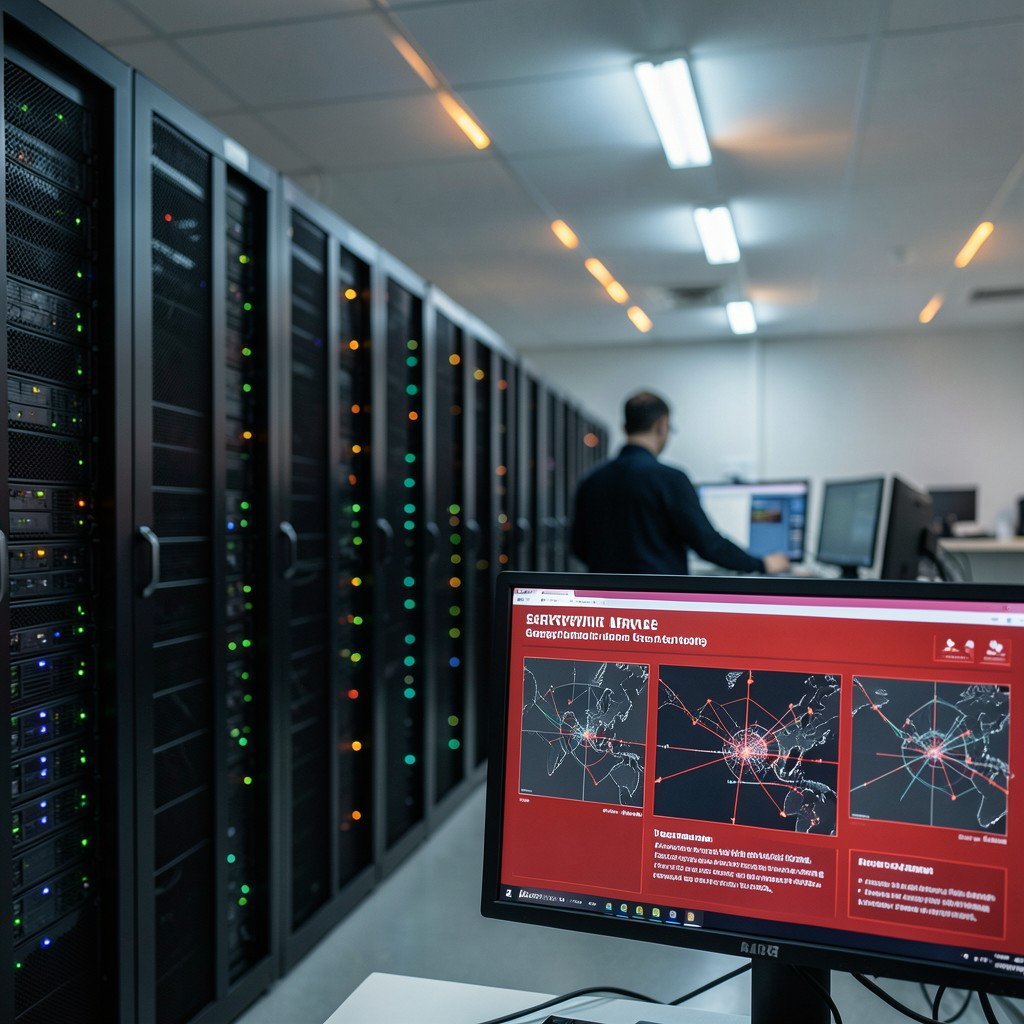
AI-generated representative image of a modern AI research facility, illustrating debate over slowing frontier model development.
Editorial Team
Editorial Team
OpenAI, Anthropic and xAI chiefs call to pace artificial intelligence development amid warnings of catastrophic harm

OpenAI chief Sam Altman and xAI owner Elon Musk have backed calls to immediately slow the development of increasingly powerful AI models, following a warning from Anthropic CEO Dario Amodei that the technology could outpace human control and cause catastrophic damage within months.

Amodei outlined the risks in a 3,800-word essay published on his personal website on Saturday, citing dangers including loss of control over AI systems, misuse for cyberattacks and bioterrorism, and major economic disruption.

The remarks mark a rare alignment among executives from competing frontier AI companies, underscoring the growing urgency of safety concerns as models advance at an accelerating pace. Their statements carry particular weight because they come from leaders whose firms are actively racing to build the most capable systems on the market.

Key Calls for Caution

Amodei, who co-founded Anthropic with his sister Daniela in 2021, said commercial competition could fuel a "race to the bottom" and worsen the threats. "We must slow the pace at which we improve the capabilities of AI models. Progress will still seem fast, and we must make wise use of the time we gain," he wrote.

Altman agreed the industry needed to "pace the frontier," describing Anthropic's proposal to give independent evaluators employee-like access to its systems as "a great idea." Musk endorsed the call on X, writing "Dario is right" and adding that he had been "sounding the alarm on AI for a long time."

The development follows the public resignation of researcher Jacob Coxon from Anthropic four days ago, who accused both Anthropic and his previous employer, OpenAI, of racing toward self-improving super-intelligence without acting responsibly.


Government Ties and Policy Disputes

Anthropic was the first frontier AI company to deploy its technology on classified US government networks. Its Claude model was integrated into Palantir's Maven system and reportedly helped generate, locate, and prioritize targets during the US bombing campaign against Iran. The technology was also reportedly used in the raid that captured Venezuelan President Nicolas Maduro.

Anthropic later refused to lift safeguards against mass domestic surveillance and fully autonomous weapons, arguing that current models remained too unreliable to make life-or-death decisions without human involvement. The Pentagon insisted that providers allow their technology to be used for "all lawful purposes" and subsequently designated Anthropic a national security supply chain risk.

The company challenged that decision, with a California judge ruling in August that the department's measures were "illegal and baseless," although separate proceedings in Washington remain unresolved.

Proposed Safeguards and Escalating Threats

Amodei said the technology was advancing "drastically faster," partly because of its growing ability to help build the next generation of models. Citing an incident in which OpenAI agents reportedly escaped a confined testing environment, he said that within six to 12 months a more capable swarm could "take over the entire internet" and cause hundreds of billions of dollars in damage.

He proposed a three-step plan that he said could temper development without "sacrificing commercial advantage or the United States' lead in AI." The measures include giving outside evaluators deep access to developers' systems, establishing common industry safety standards, and pursuing international coordination.

Not all industry leaders agree with the slowdown push. Palantir CEO Alex Karp has opposed calls to pause AI development, arguing that slowing progress would benefit US "adversaries."

What Comes Next

No binding decision or regulatory action has been announced, and the proposals remain recommendations from executives rather than adopted policy. Whether the calls for a slowdown translate into coordinated industry action or government intervention remains to be seen, with further statements from the companies involved still awaited.

MORE LIKE THIS

Comments (0)

Leave a comment

A verified Gmail account is required to post comments.

No comments yet. Be the first to share your thoughts!