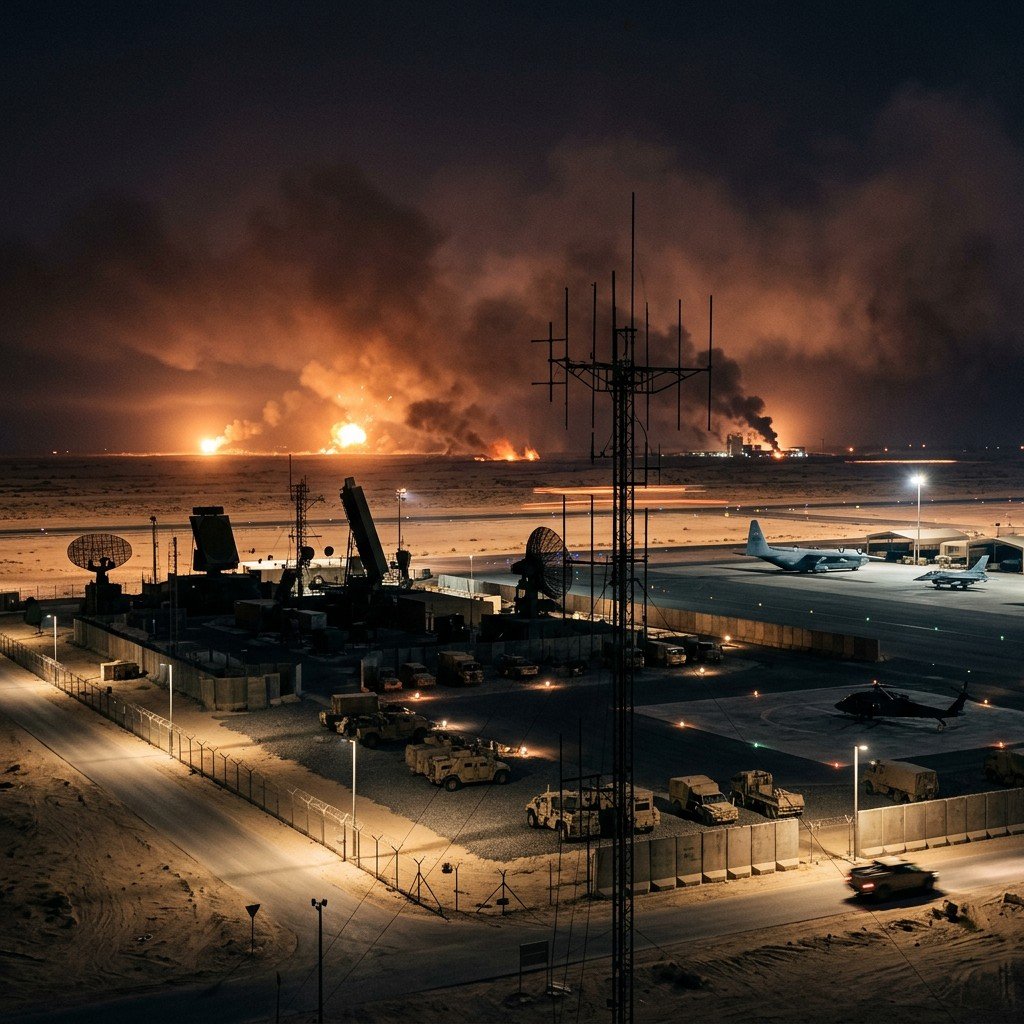

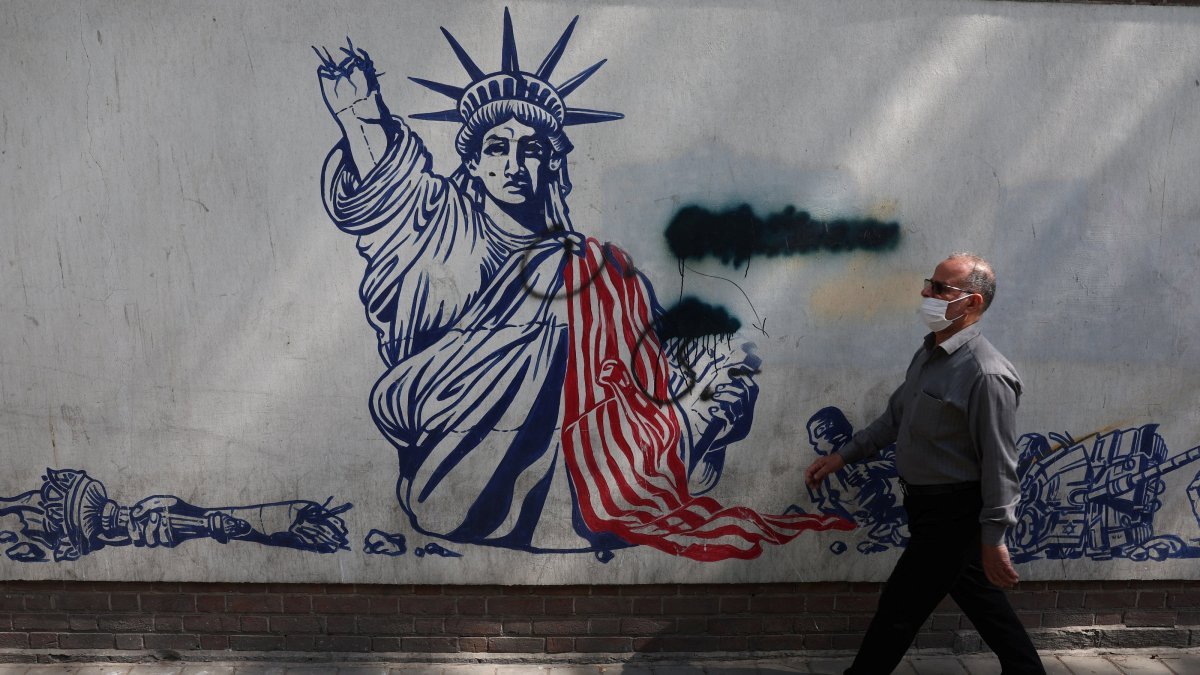
Iran-US Messaging Battle and Strategic Communication Impact
news

Iran-US Messaging Battle and Strategic Communication Impact

By Editorial TeamJul 2, 2026 · 1:01 PM2 min read
Editorial Team
Editorial Team
Voice of Urdu analysis tracks strategic communication shaping narratives, escalation risks and public perception across domestic and global audiences.

A Voice of Urdu analysis examines the Iran-US messaging battle during a period of direct confrontation, focusing on how each side used strategic communication to shape public perception among domestic audiences and international observers.

The commentary argues that alongside military moves, how leaders explained events, signaled intentions and framed outcomes became central to legitimacy and deterrence—shaping how escalation and de-escalation were understood by the public and policymakers. Related coverage includes Iran’s Plan to Strike Back Against the U.S..

Key Developments

  • Voice of Urdu frames the episode as a contest for narrative control, not only a test of military capability.

  • The analysis focuses on official statements and crisis signaling aimed at multiple audiences, including domestic constituencies and international observers.

  • It evaluates how messaging sought to project strength, manage expectations and limit political costs tied to retaliation or restraint.

  • According to the commentary, strategic communication functioned as a tool for deterrence and crisis management alongside traditional security measures.

Context and Background

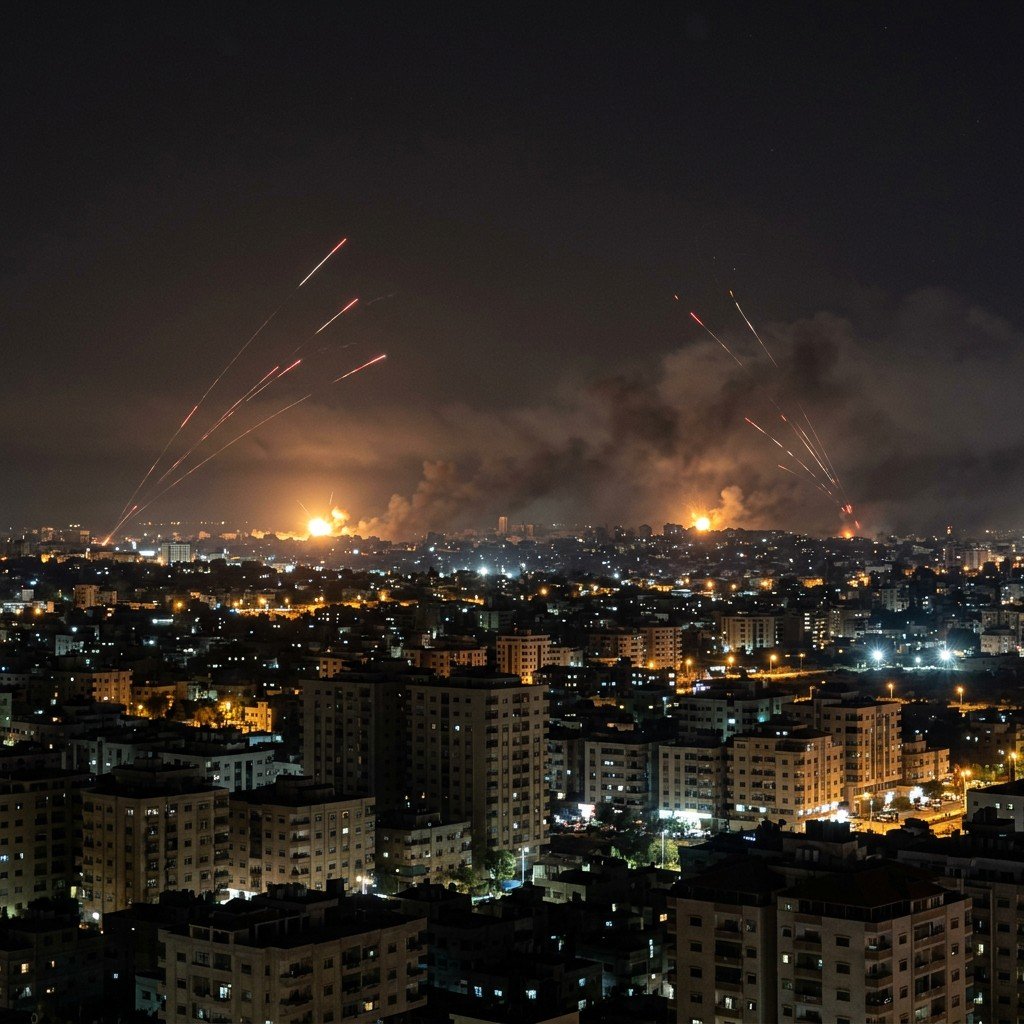
Voice of Urdu situates the communication struggle within heightened Iran-US tensions, where both sides seek to preserve credibility, avoid appearing weak at home and reduce the risk of uncontrolled escalation. For additional regional context, see World Reacts to Israeli Strikes on Iran: Calls for Restraint Amid Rising Tensions.

Details and Evidence Cited

The Voice of Urdu commentary discusses how official narratives are built through public messaging and how the framing of actions and outcomes can influence whether a move is perceived as a victory, a warning or a step toward de-escalation. It also highlights the role of signaling and audience costs, suggesting leaders calibrate language to balance deterrence with keeping options open.

Current Status / What Happens Next

Voice of Urdu concludes that the strategic communication dimension will remain central in future Iran-US crises, with messaging expected to keep shaping escalation risk management and how outcomes are perceived by domestic and international audiences.

MORE LIKE THIS

Comments (0)

Leave a comment

A verified Gmail account is required to post comments.

No comments yet. Be the first to share your thoughts!